Cloth & tactile wraps
Surface, weave, color and foil compatibility reviewed before production.

Casebound · cloth · collector
For publishing programs where the cover, opening, materials and shelf presence must feel intentional—from trade hardcovers to museum editions and boxed collector sets.
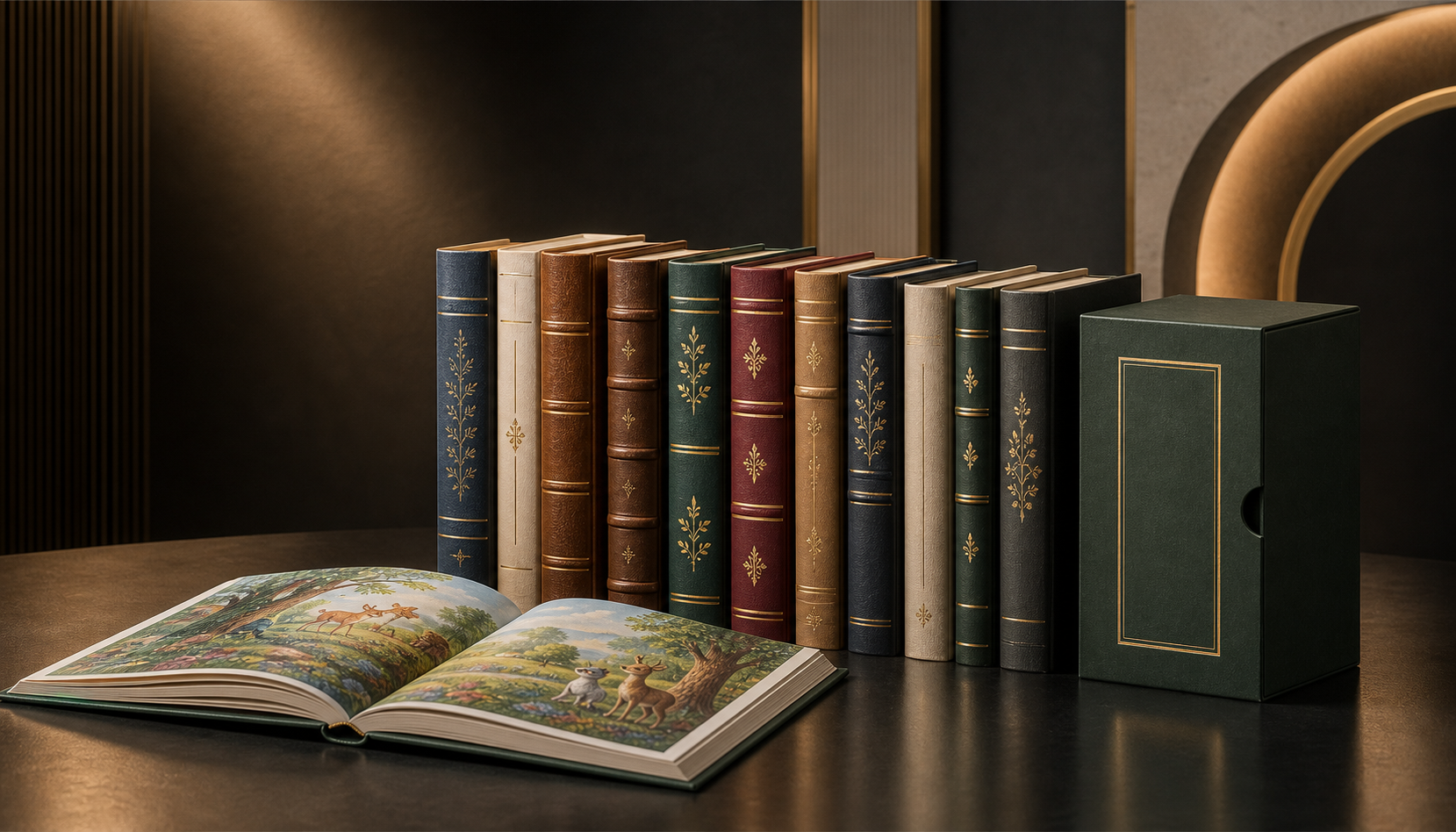
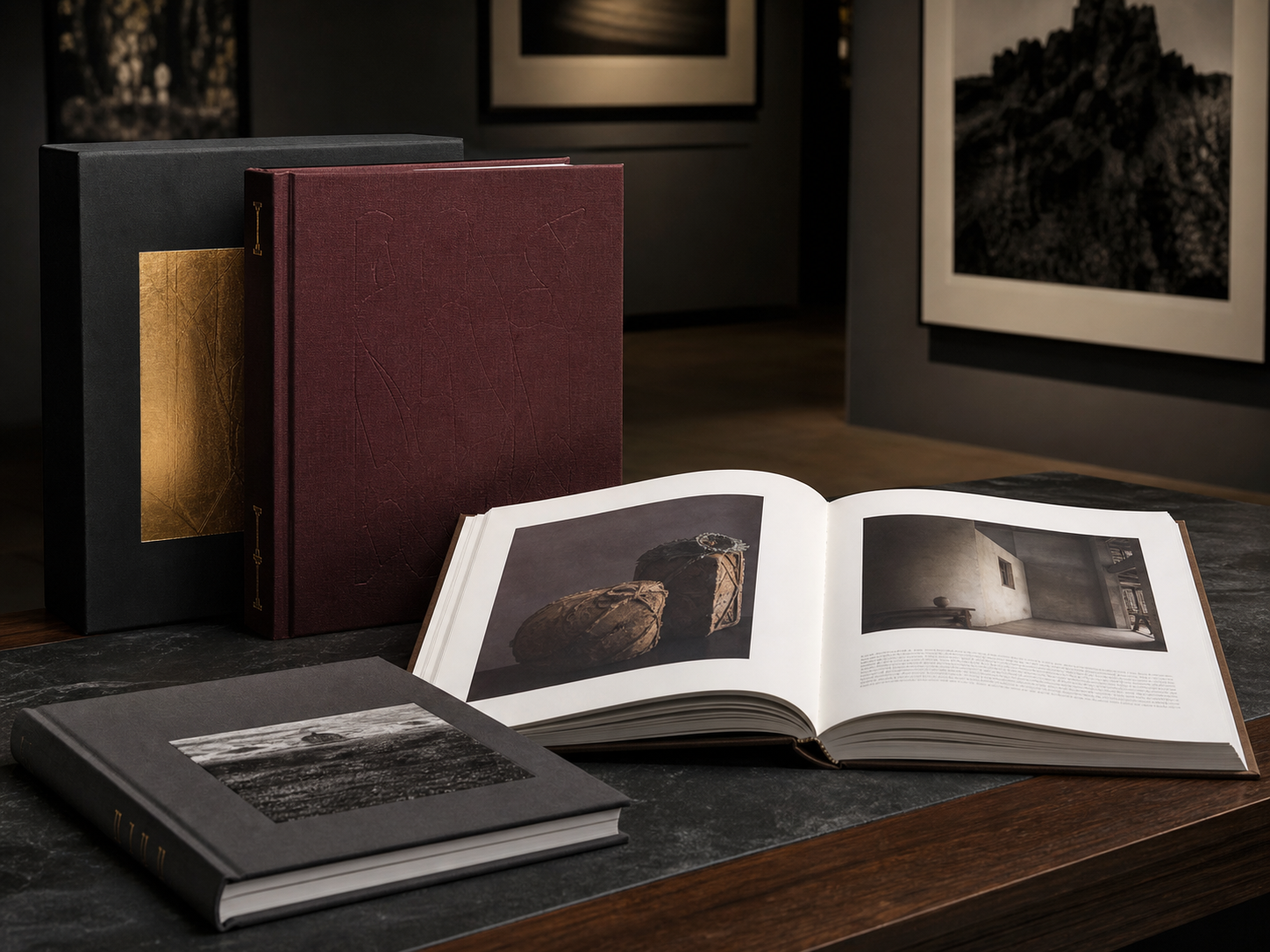
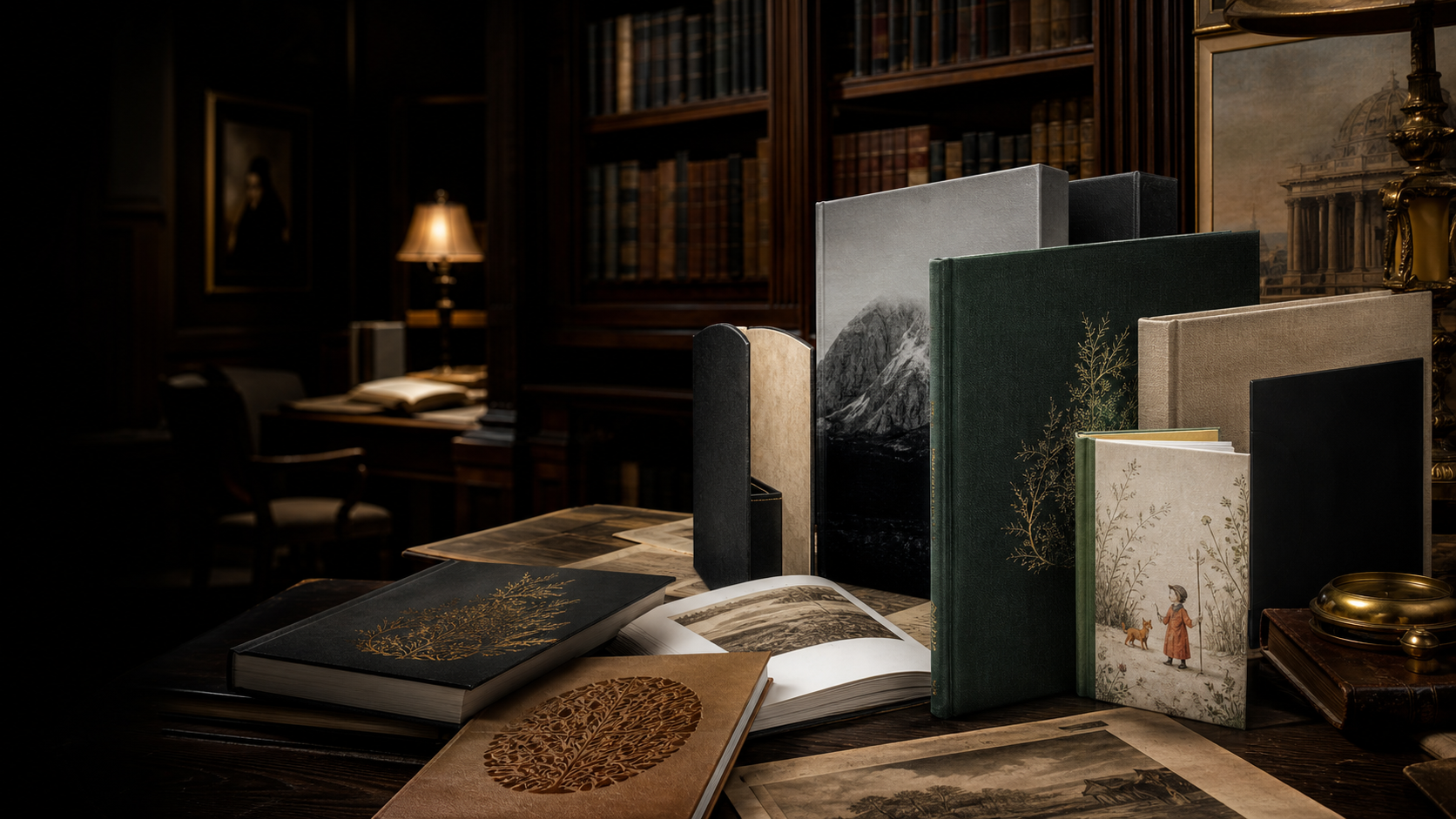
The story of a hardcover edition
Every hardcover begins as content that deserves a physical life—an artist's archive, a publisher's list, a family history, a museum record or a story designed to be read again. The cover makes the first promise; the opening, paper and image reproduction decide whether that promise feels true.
A successful edition joins visible design to hidden engineering. Board thickness, wrap material, spine build, endpapers, text paper, section sewing and protective packaging are reviewed as one system, so the finished book carries its meaning with authority and survives the way it will actually be handled.
Hardcover books by publishing use
Gold Printing's historical product archive is retained as professional knowledge, while the old low-resolution imagery is excluded. These are the hardcover product entities we now develop with modern imagery, specifications and dedicated detail routes.
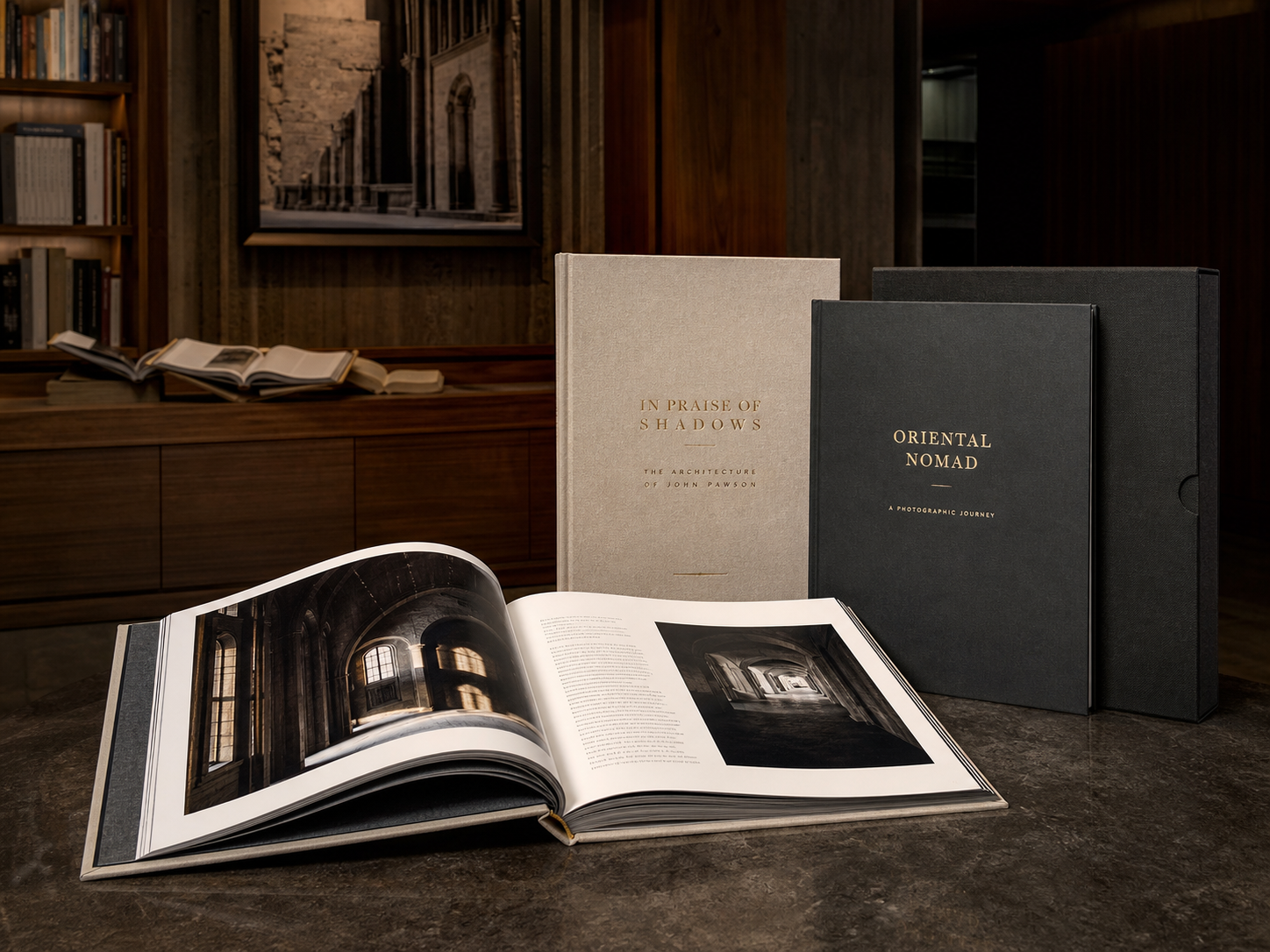
Museum, gallery, artist monograph and photographic publishing.
Explore product →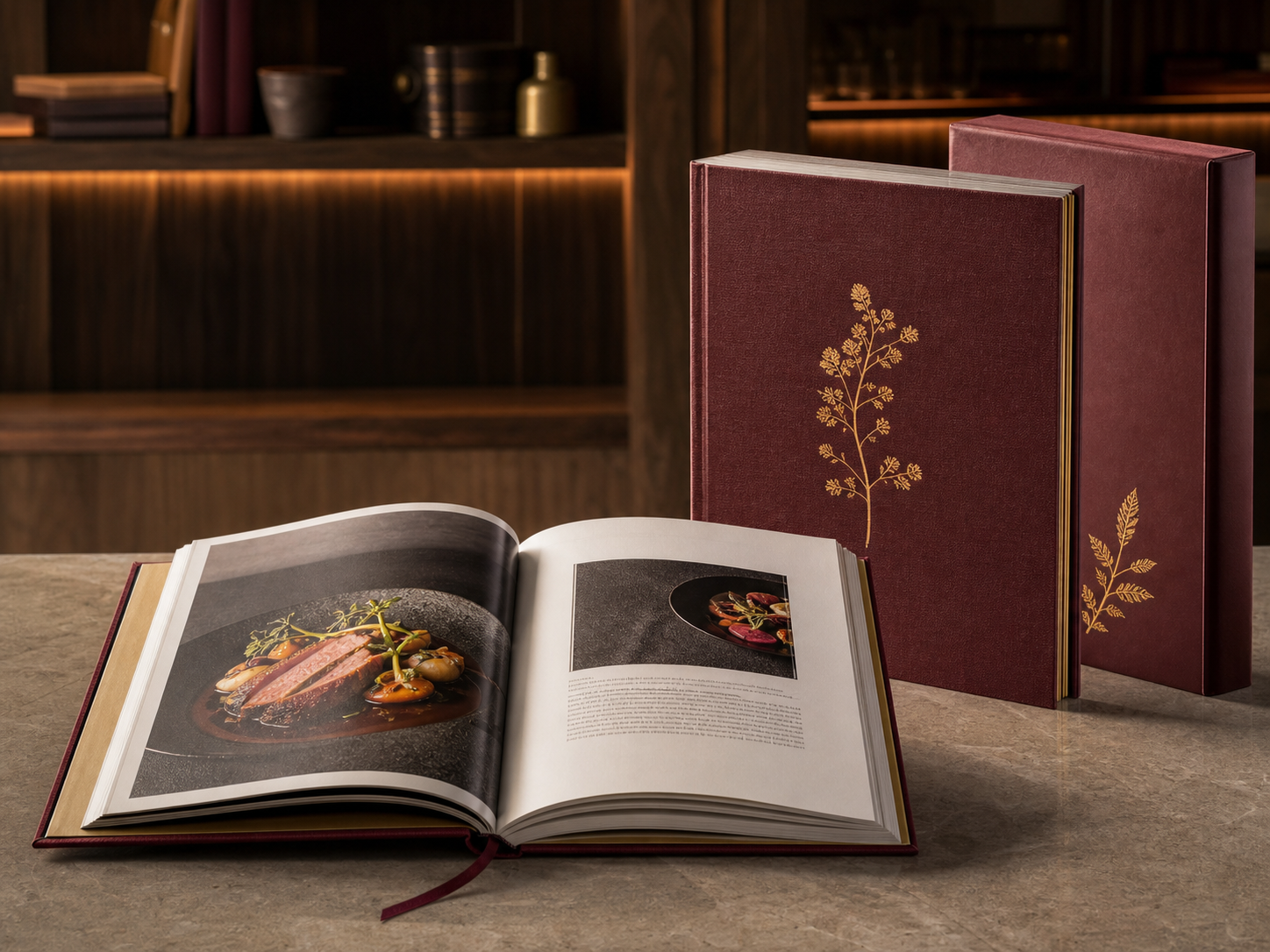
Chef, culinary, food culture and illustrated recipe editions.
Discuss this product →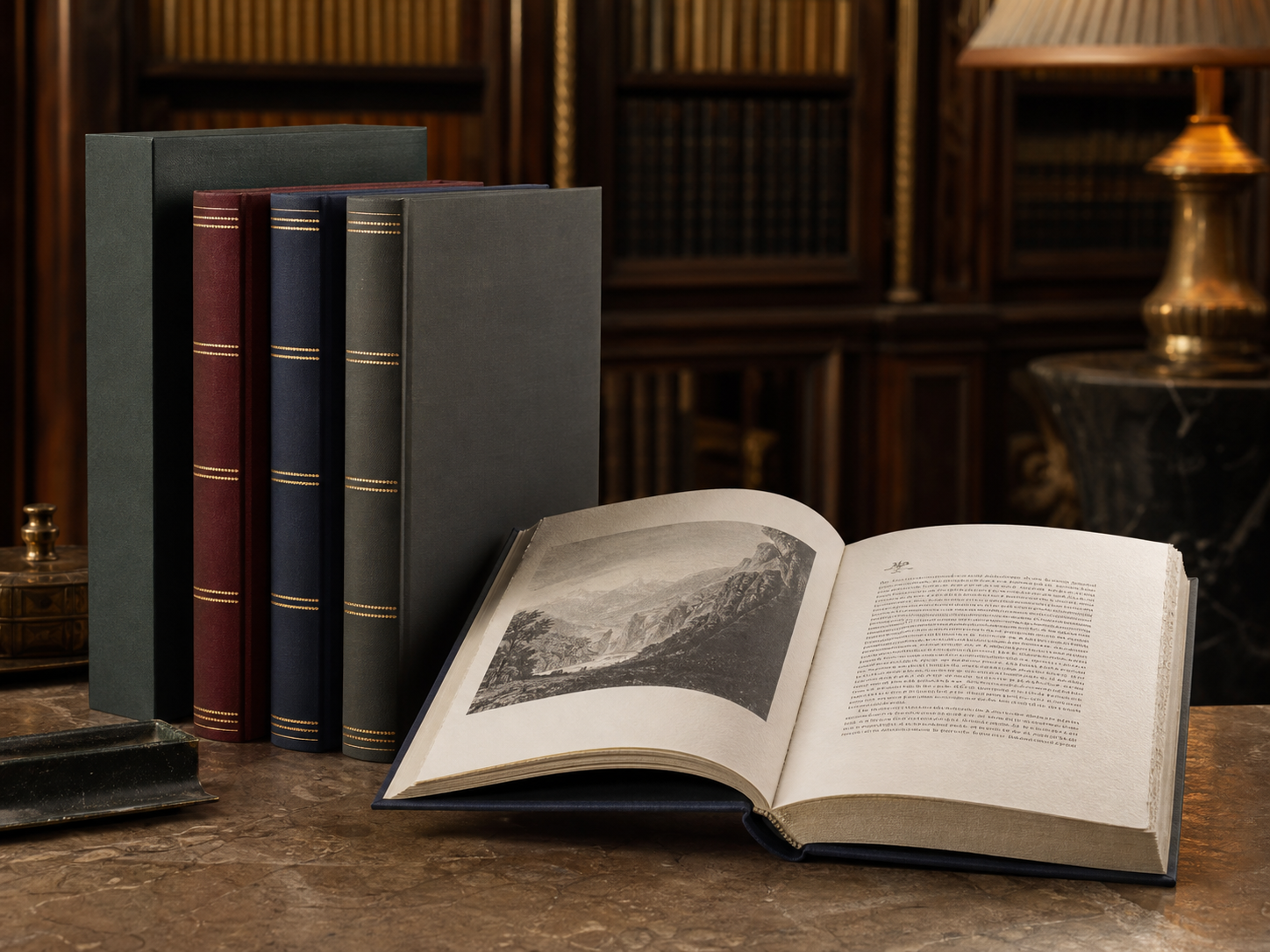
Literary lists, special editions, biographies and family histories.
Discuss this product →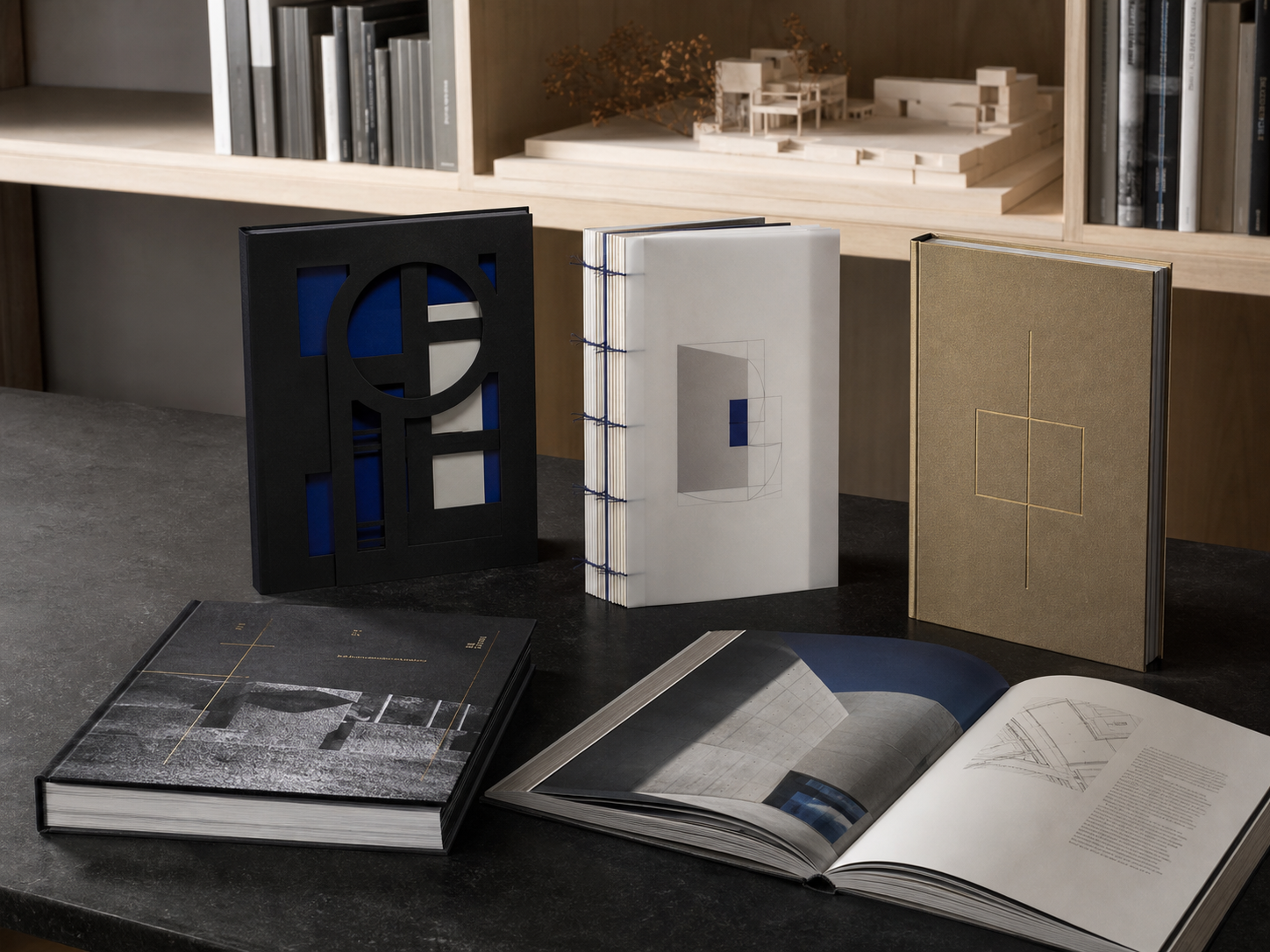
Architecture, interiors, industrial design and creative portfolios.
Explore product →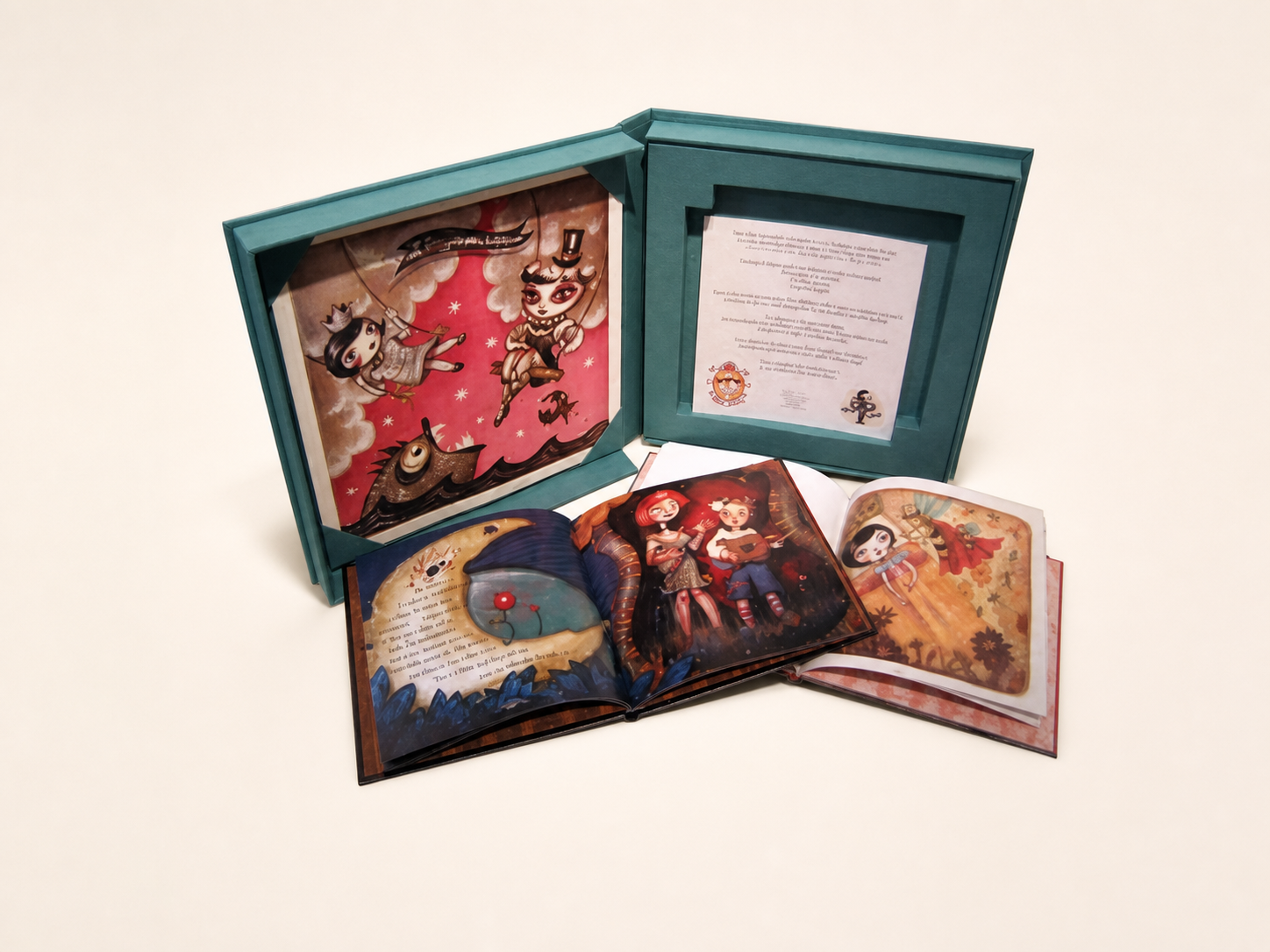
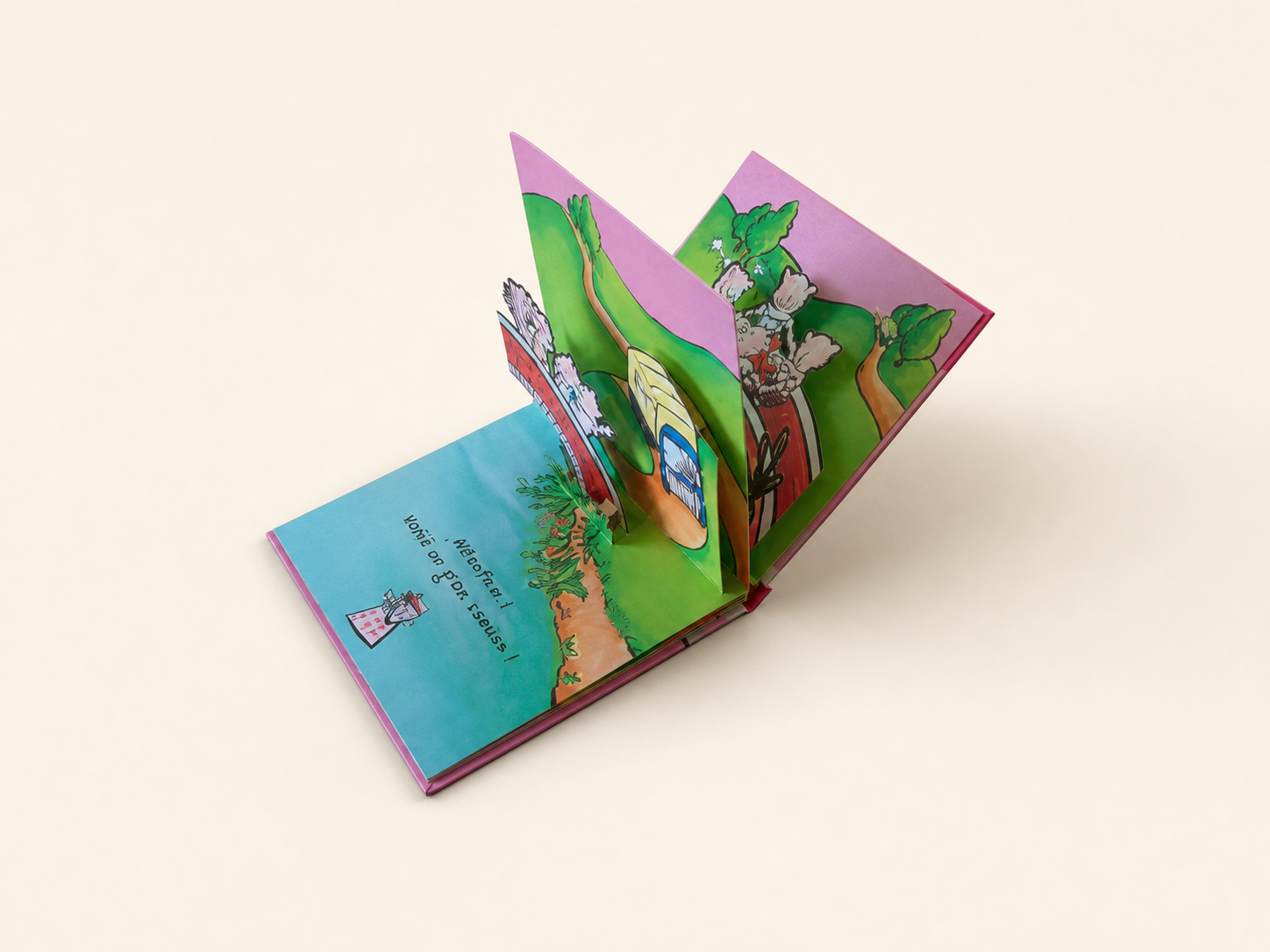
Picture books, storybooks and durable illustrated collector sets.
Explore product →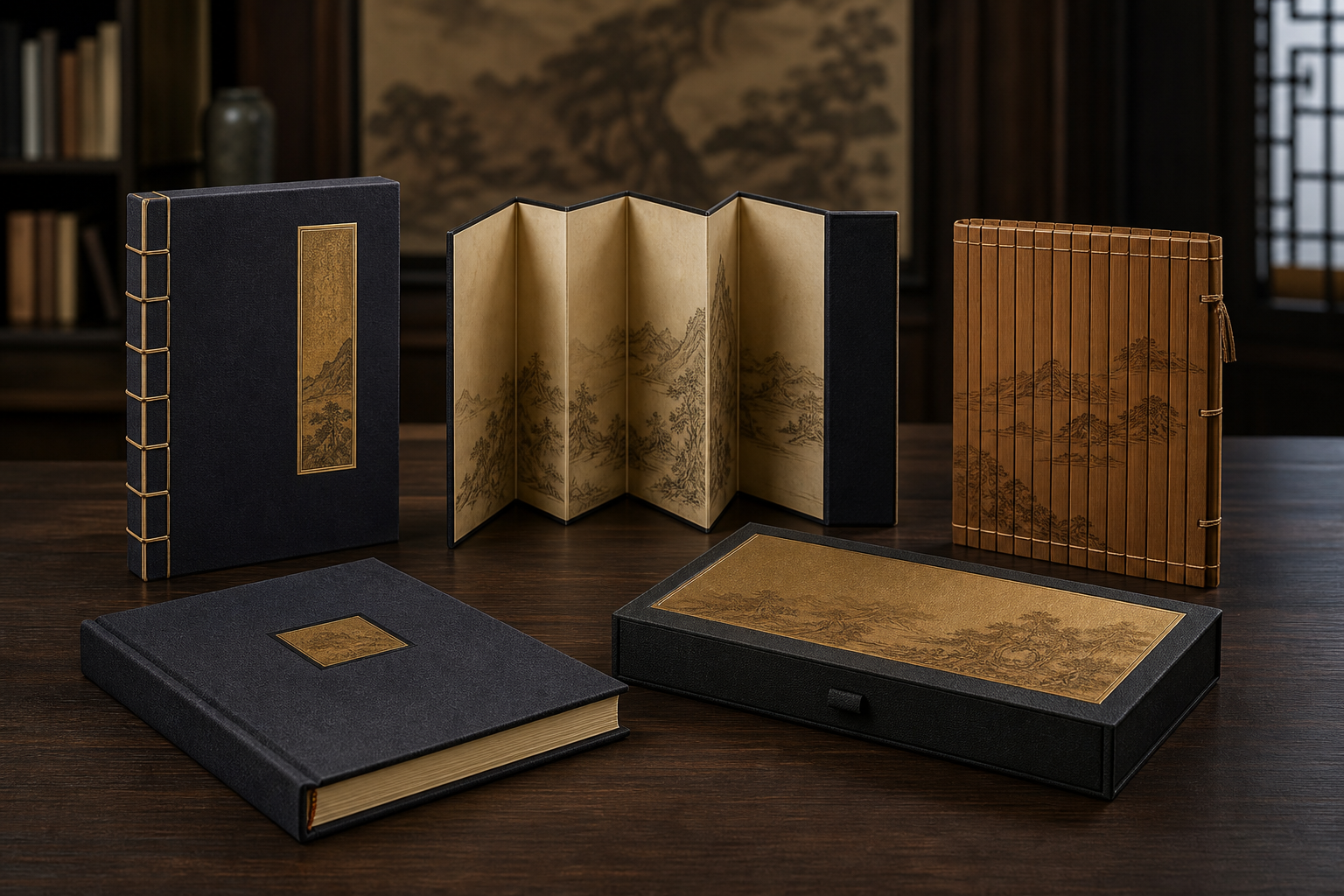
Archives, institutional histories, cultural works and commemorative books.
Discuss this product →
Medical, scientific, dictionary and long-life reference publishing.
Discuss this product →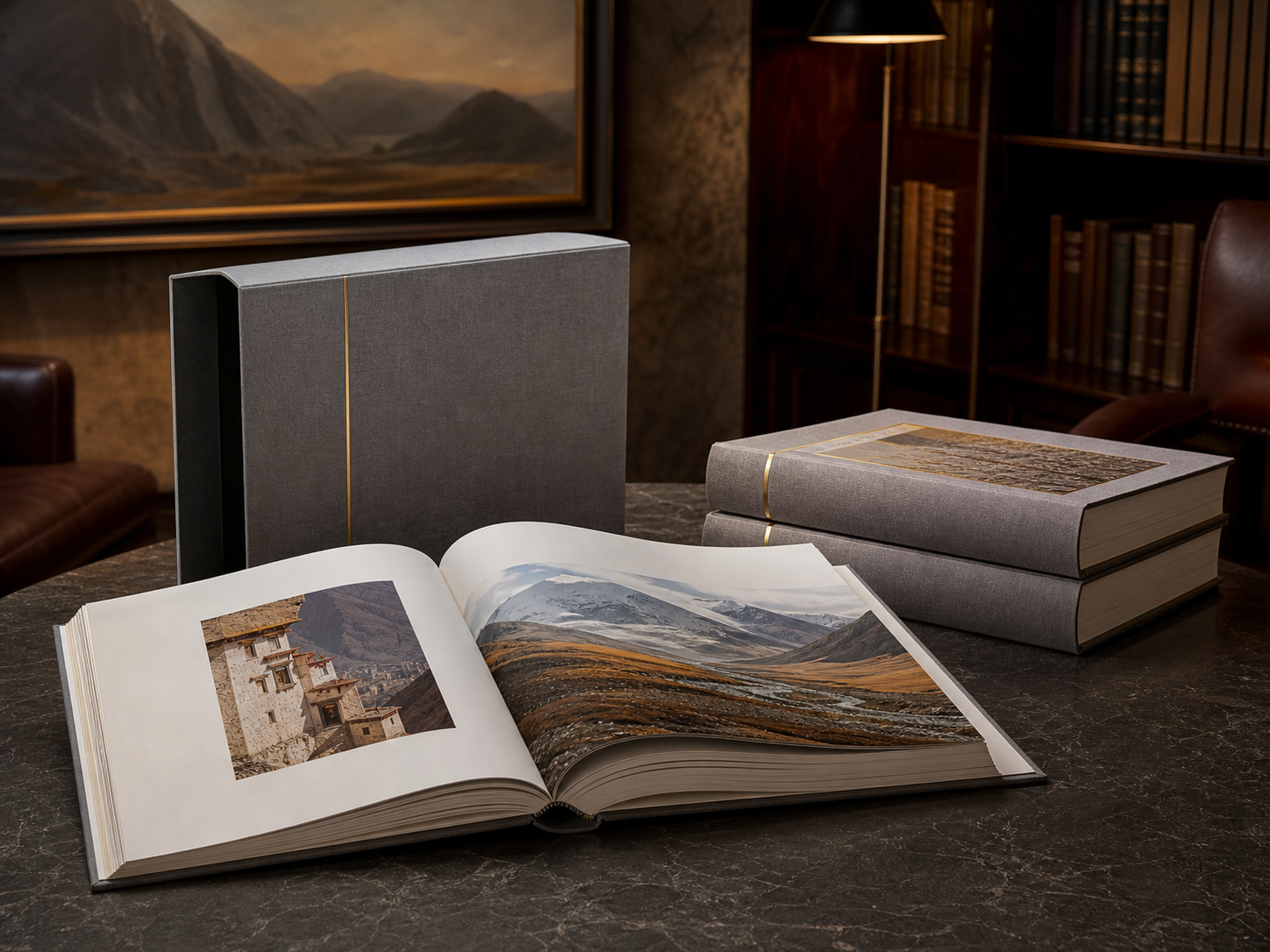
Destinations, landscape, culture and large-format visual storytelling.
Explore product →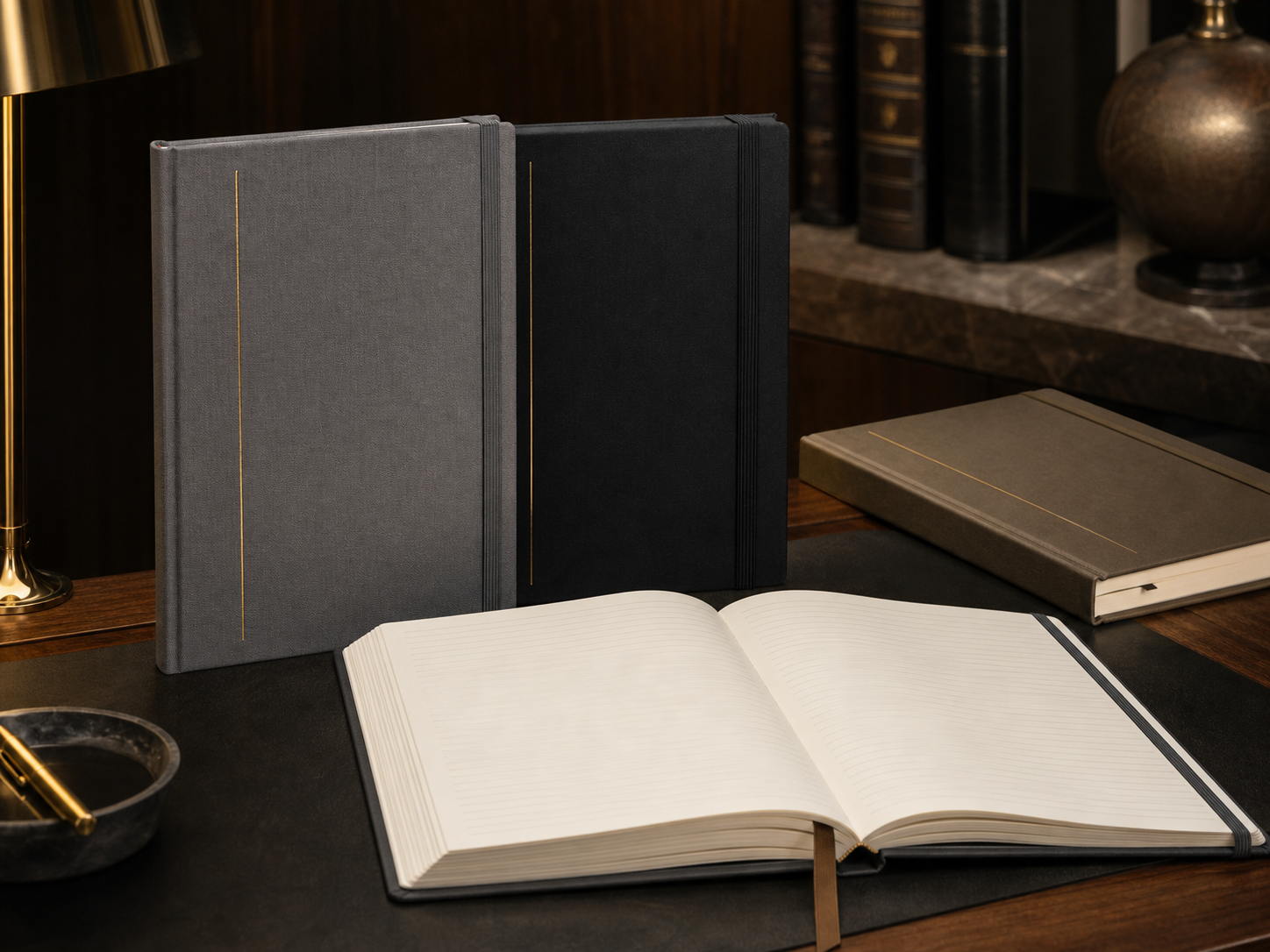
Executive journals, diaries, guided notebooks and premium writing books.
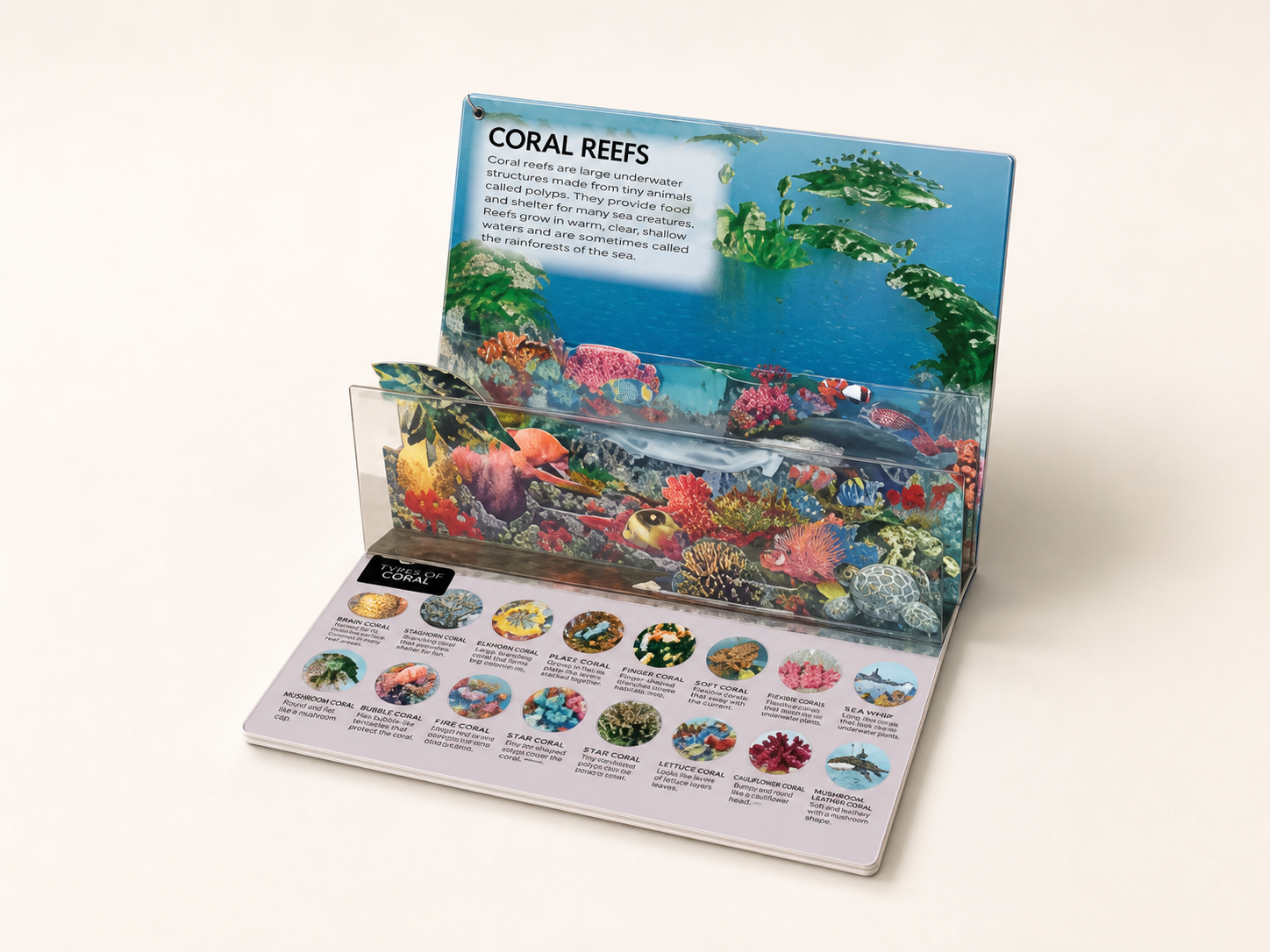
Explore product →Applications & material presence

Specification framework
The ranges below are practical starting points, not automatic promises. Final construction follows the artwork, page count, use, quantity and approved physical sample.
Send your current specification →| Common sizes | Custom trim sizes; portrait, landscape, square and large-format editions |
|---|---|
| Cover board | Typical 2–4 mm greyboard, selected for size, weight and required rigidity |
| Cover wraps | Printed paper, book cloth, leather-like materials and approved specialty stocks |
| Interior paper | Uncoated, coated, woodfree and specialty papers matched to image, opacity and handling |
| Binding | Sewn case binding, adhesive case binding or approved lay-flat structures |
| Finishing | Foil, blind deboss, emboss, spot treatment, edge treatment and applied labels |
| Protection | Dust jacket, belly band, slipcase, rigid presentation box and export packing |
| Proofing | Digital proof, material dummy and production sample according to project risk |
Materials & finishing
Premium finishing works when each technique has a reason. We select combinations that support the title rather than cover the book with effects.
Surface, weave, color and foil compatibility reviewed before production.
Foil, blind deboss and emboss used to create controlled hierarchy and touch.
Endpaper stock, grain, hinge and sewing chosen for strength and graceful opening.
Whiteness, opacity, coating and surface matched to illustration, text or photography.
Headbands, ribbons, edge color and small applied elements reviewed as one system.
Fit, pull clearance, board strength and packing engineered around the finished book.
A controlled production path
Size, page count, quantity, destination, use and target visual standard.
Board, paper, binding, finishing, box and packing reviewed as one structure.
Color proof, dummy or production sample selected according to project risk.
Printing, finishing, case making and binding follow the approved references.
Final inspection, packing and shipment information prepared for destination.
Hardcover printing FAQ
Share the finished size, page count, interior and cover color, paper preference, binding, finishing, quantity, artwork status and delivery destination. Reference photos or a physical sample help when the specification is incomplete.
Sewing is often preferred for durability and opening behavior, especially with higher page counts or long-life editions. The final choice depends on format, paper, page count, use and budget.
We can review a physical sample, measured specification or detailed reference images. Matching remains subject to available materials, production tolerances and an approved sample.
A dummy is strongly recommended for unusual sizes, heavy books, special openings, slipcases, boxes, engineered details or projects where fit and feel are central to approval.
Supply vector artwork for each finishing layer and identify foil colors, emboss or deboss areas, registration expectations and any minimum line-size concerns for review.
Yes. Treating them as one program allows fit, material, color, protection and packing to be reviewed together before the production sample is approved.
Start with the real edition
Send your current specifications, quantity, destination, artwork status and reference images. We will identify the missing production decisions before quotation.
Start a hardcover project