Image preparation
Resolution, color space, black construction, total ink coverage and critical image notes reviewed before proofing.

Large-format visual publishing
For publishers, museums, photographers, architects, cultural institutions and brands whose visual books require controlled color, generous formats, strong opening behavior and protection from press to destination.
The role of the object
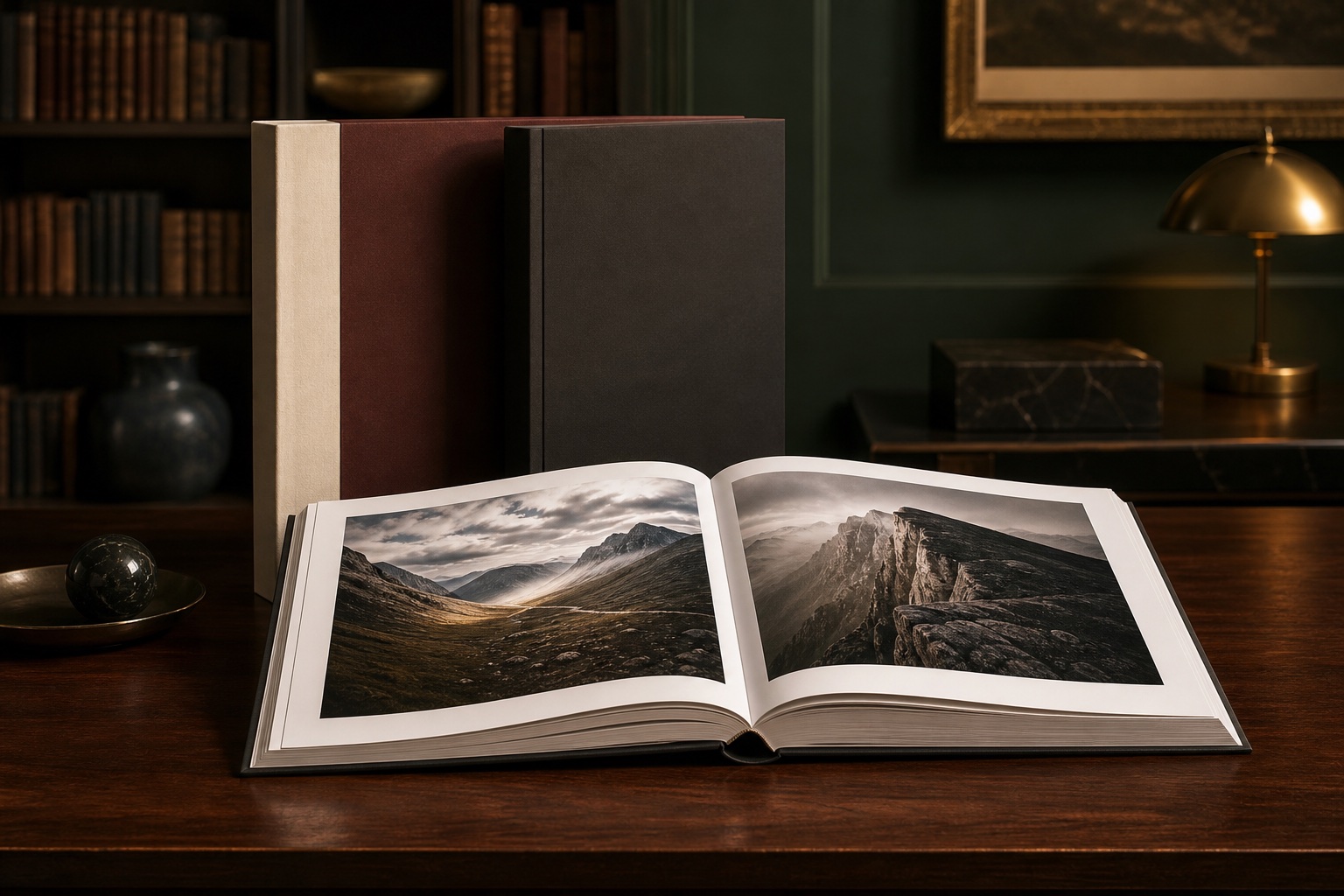
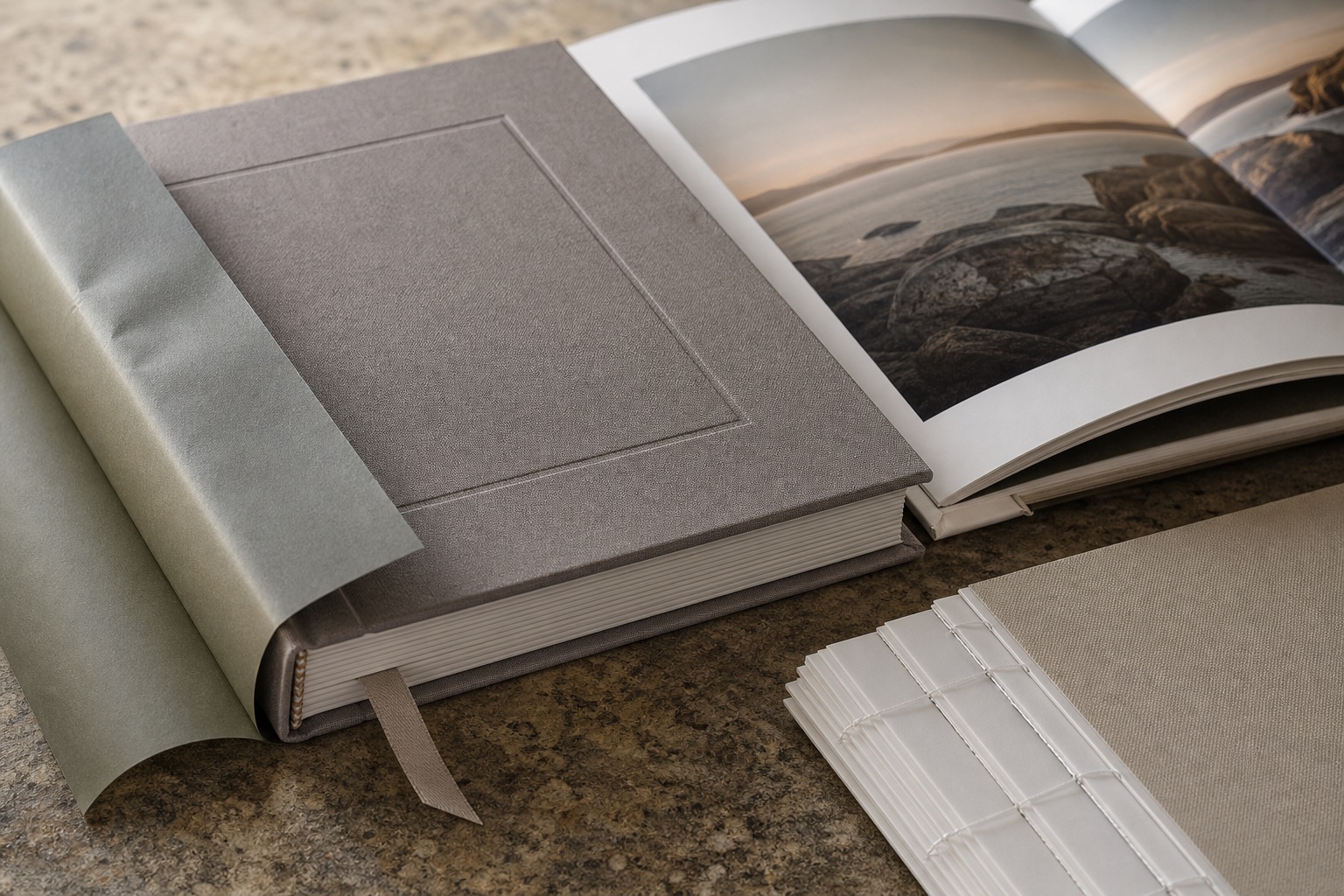
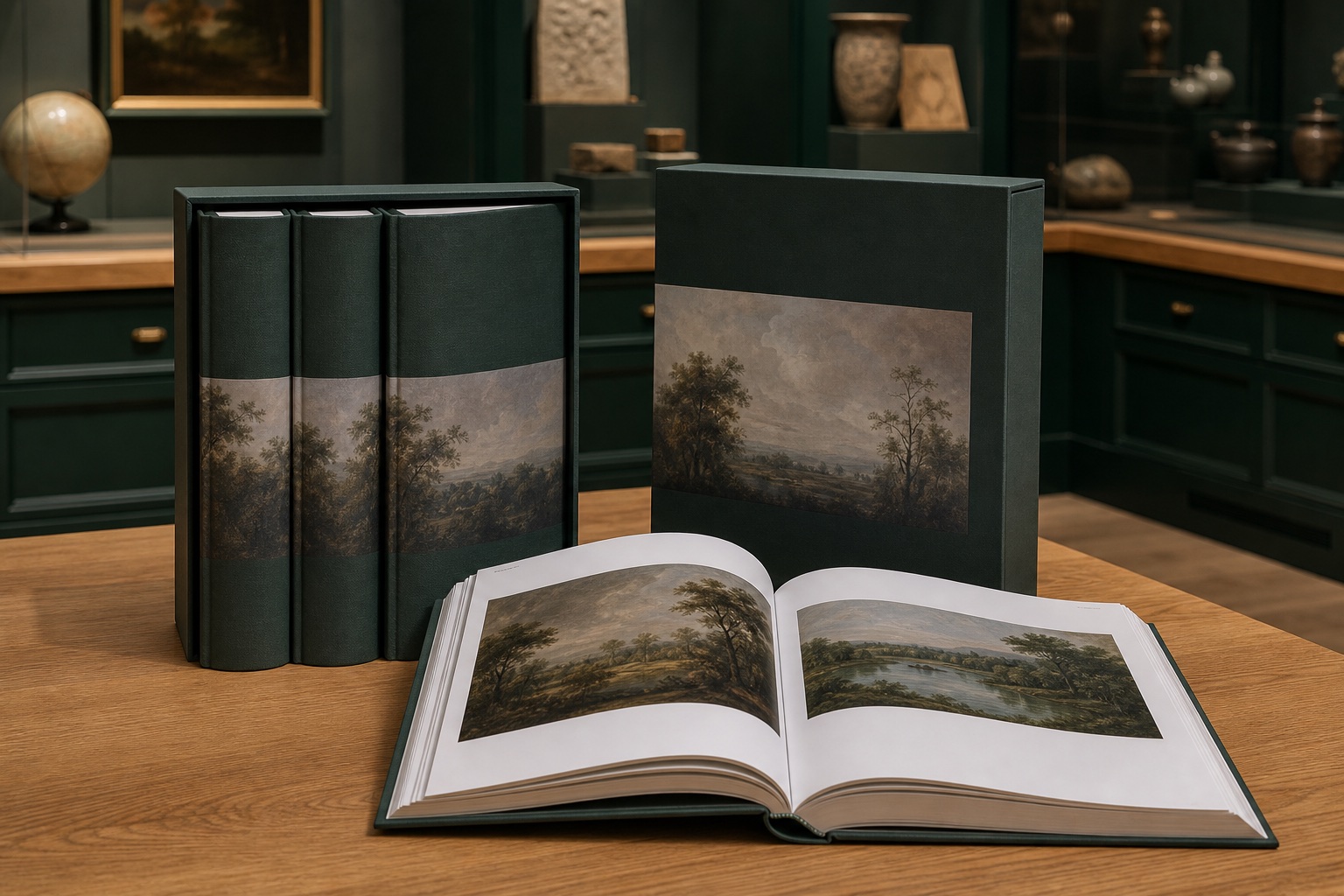
A coffee table book asks the reader to stop, open and look. Format, image sequence, paper shade, opacity, gutter behavior and the weight of the book all influence that experience.
We review the publication as one engineered object. Page size and paper determine bulk; bulk affects spine, boards and hinges; opening affects image placement; finishing and packing must remain compatible with distribution and repeat production.
Publishing applications
The image language, audience, use, edition size and destination determine the right paper, proof, binding and presentation system.
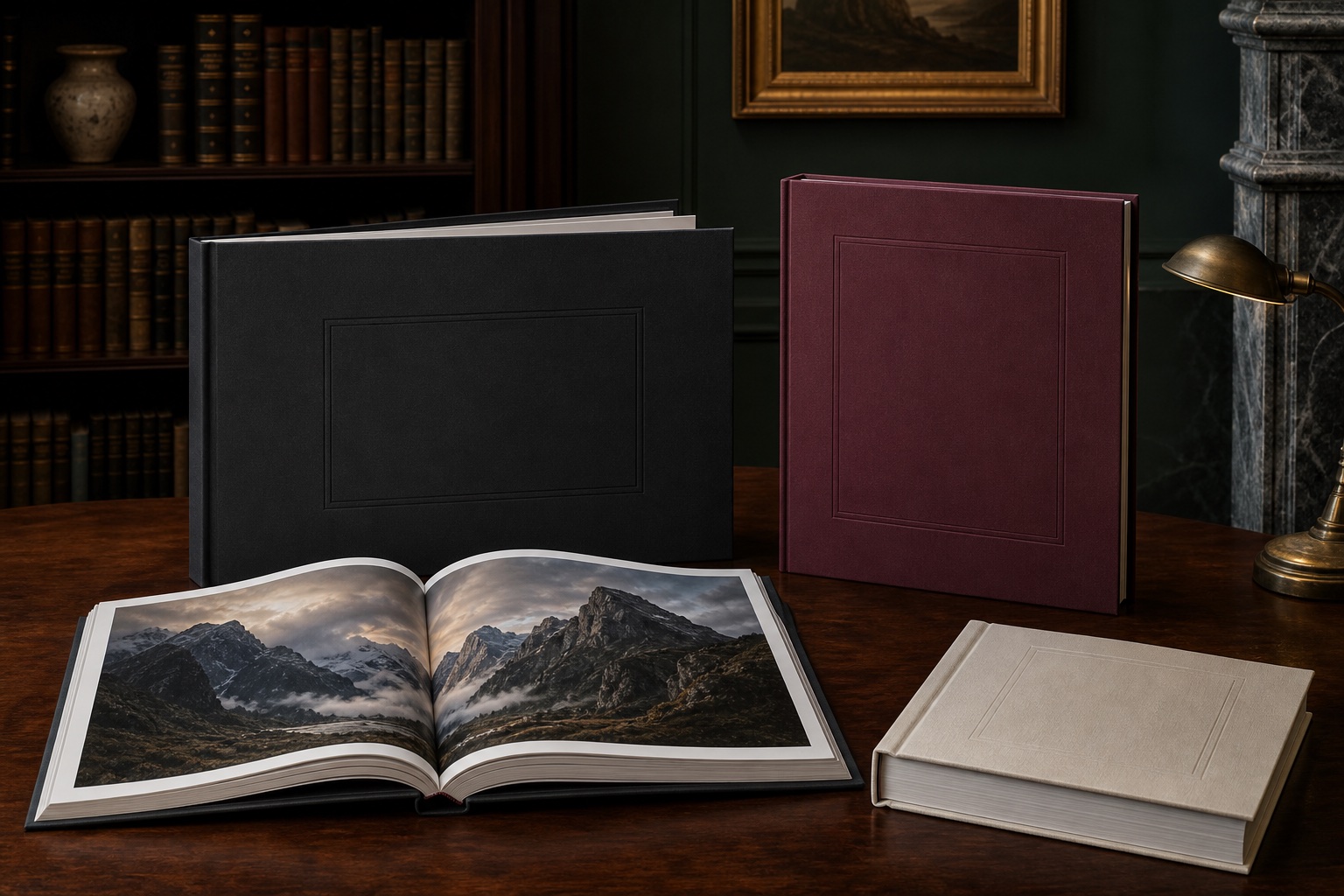
Tonal range, neutral grays, deep blacks and consistent image reproduction.
Discuss this product →
Exhibition catalogues, monographs and cultural editions built for close reading.
Discuss this product →
Wide formats, disciplined grids and controlled spreads for visual practice.
Discuss this product →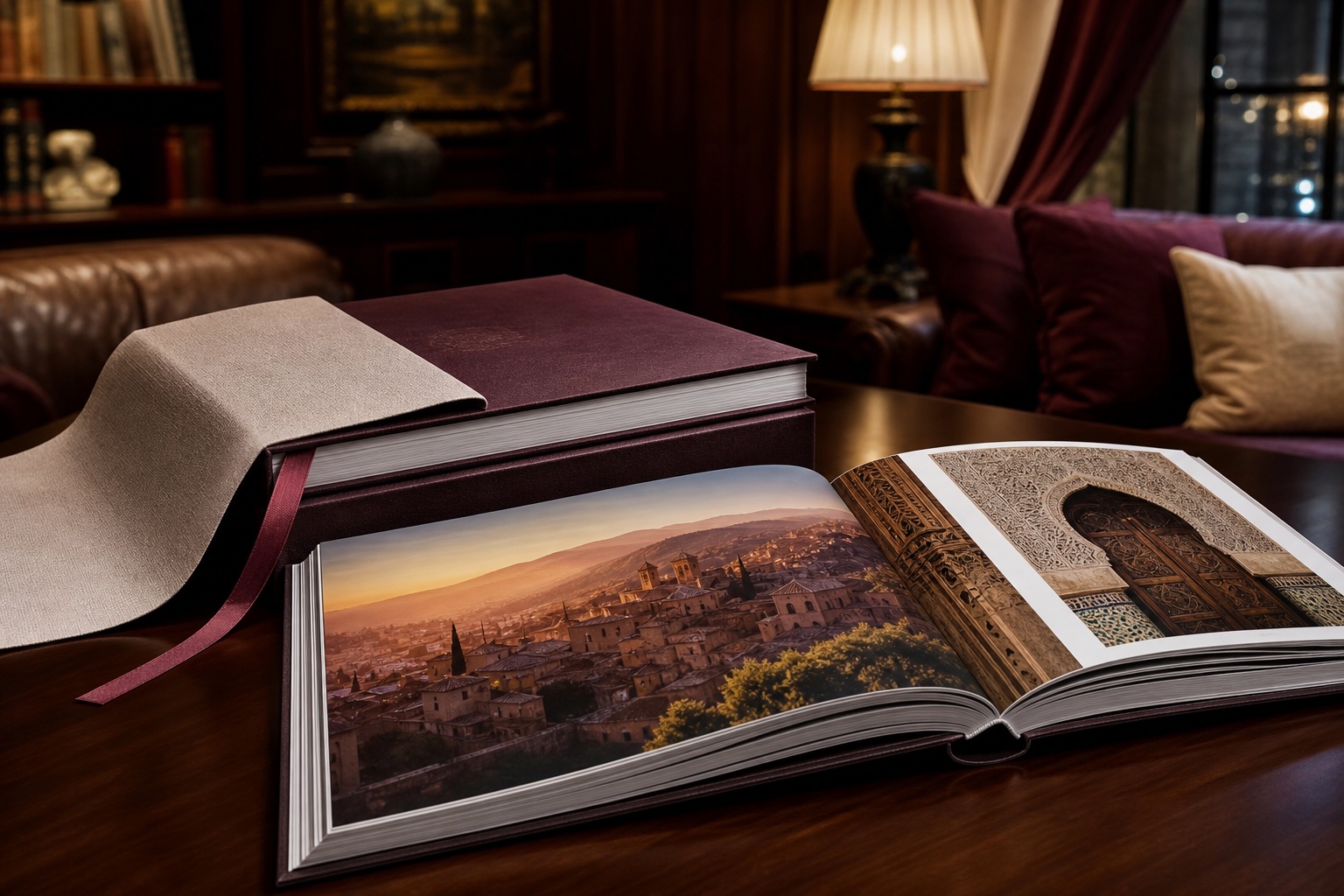
Place, history and documentary storytelling with durable binding and packing.
Discuss this product →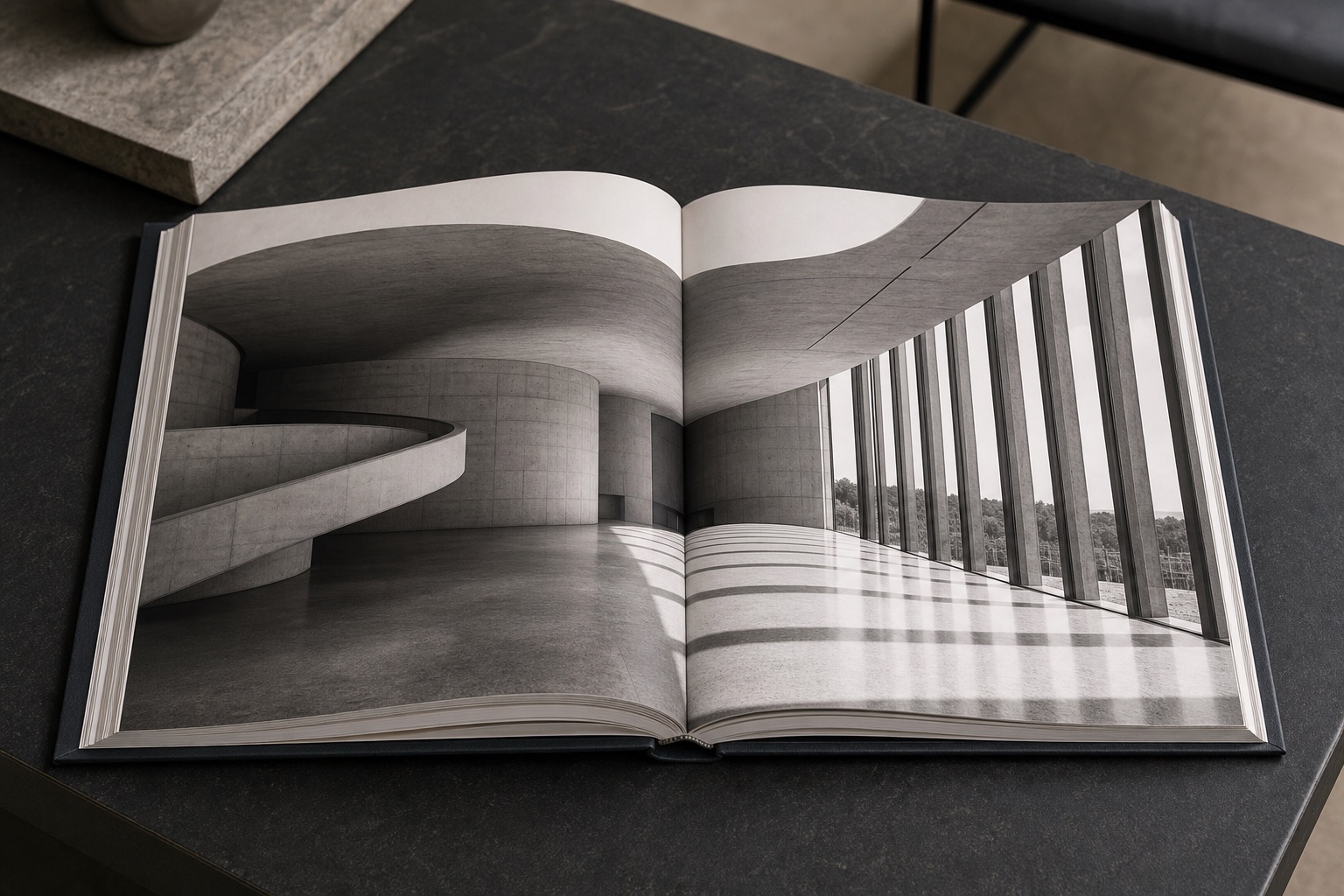
Anniversary, archive, property and brand-story editions with precise presentation.
Discuss this product →
Slipcases, limited editions, book-plus-print sets and restrained special finishing.
Discuss this product →Specification framework
These are practical starting points. Final construction follows page count, artwork, paper, quantity, distribution, destination and approved proof or sample.
Send your current specification →| Finished format | Custom portrait, landscape, square and oversize formats; shipping weight and carton handling are reviewed before confirmation. |
|---|---|
| Page extent | Signature plan follows page count, paper, grain direction, binding and the position of critical crossovers. |
| Interior paper | Coated, uncoated, matte, textured or approved specialty stocks selected around detail, density, opacity, bulk and reading character. |
| Binding | Sewn case binding, sewn softcover, PUR, approved lay-flat and special structures confirmed by dummy or sample. |
| Color approval | File preflight, calibrated contract proof, supplied references and production checkpoints for critical images and neutral work. |
| Cover treatment | Printed paper, book cloth, specialty wrap, dust jacket, tip-on image, foil, emboss, deboss, edge treatment and belly band. |
| Presentation | Slipcase, clamshell, rigid presentation box, portfolio wrap or book-plus-object configuration engineered to the publication. |
| Commercial brief | Quantity tiers, destination, launch date, repeat-edition expectation and delivery term are required for a meaningful quotation. |
Production control
The approved files, proof, dummy, bound sample and written specification become the reference set for production and inspection.
Resolution, color space, black construction, total ink coverage and critical image notes reviewed before proofing.
Shade, surface, opacity, bulk and grain direction checked against image character and opening.
Critical spreads positioned with binding allowance and opening behavior in mind.
Board, spine, joint, hinge, wrap and cover square checked for a substantial but usable object.
Color, trim, gathering, sewing, casing and finishing controlled against signed references.
Book weight, surface sensitivity, individual protection, carton strength and pallet route reviewed together.
Project path & lead-time control
Format, page count, quantity, image standard, destination, launch and budget framework.
Contract proof, paper dummy and bound sample selected according to visual and structural risk.
Paper, signatures, grain, sewing, case, finishing, packing and freight reviewed as one system.
Printing, folding, gathering, sewing, casing and finishing follow approved references.
Final inspection, individual protection, export cartons and shipment coordination by destination.
Coffee table book FAQ
Send finished size, page count, color, paper preference, binding, cover, finishing, quantity tiers, destination, artwork status and target delivery date. Reference books or images help when the specification is still open.
Format depends on press sheet, grain direction, paper, signature plan, binding equipment, finished weight, carton handling and freight. We review these limits before recommending an efficient size.
We review crossover position, sewing, spine construction, paper grain and opening behavior. Critical faces, architecture and fine details should not be placed across an uncontrolled gutter.
A dummy is strongly recommended when size, paper bulk, page count, opening, spine width, case material or slipcase fit affects the final experience.
Yes. The proof route depends on the paper, image risk and reference standard. Critical neutral tones, skin tones, deep blacks and brand colors should be identified early.
Yes. The book and case should be engineered together so clearance, removal, weight, surface protection and export packing remain controlled.
Lead time is confirmed after files, materials, proof route, sample route, finishing, quantity, packing and destination are agreed. It is not responsibly promised from page count alone.
Start with the real publication
Send the current specification, quantity, destination, artwork status and reference images. We will identify the missing production decisions before quotation.
Start a coffee table book project