Paper character
Shade, tooth, gloss, opacity and bulk matched to photography, illustration and text.

Fine art · photography · museum publishing
For publishers, museums, galleries, photographers and cultural institutions whose books depend on tonal accuracy, paper character, considered binding and an enduring physical presence.
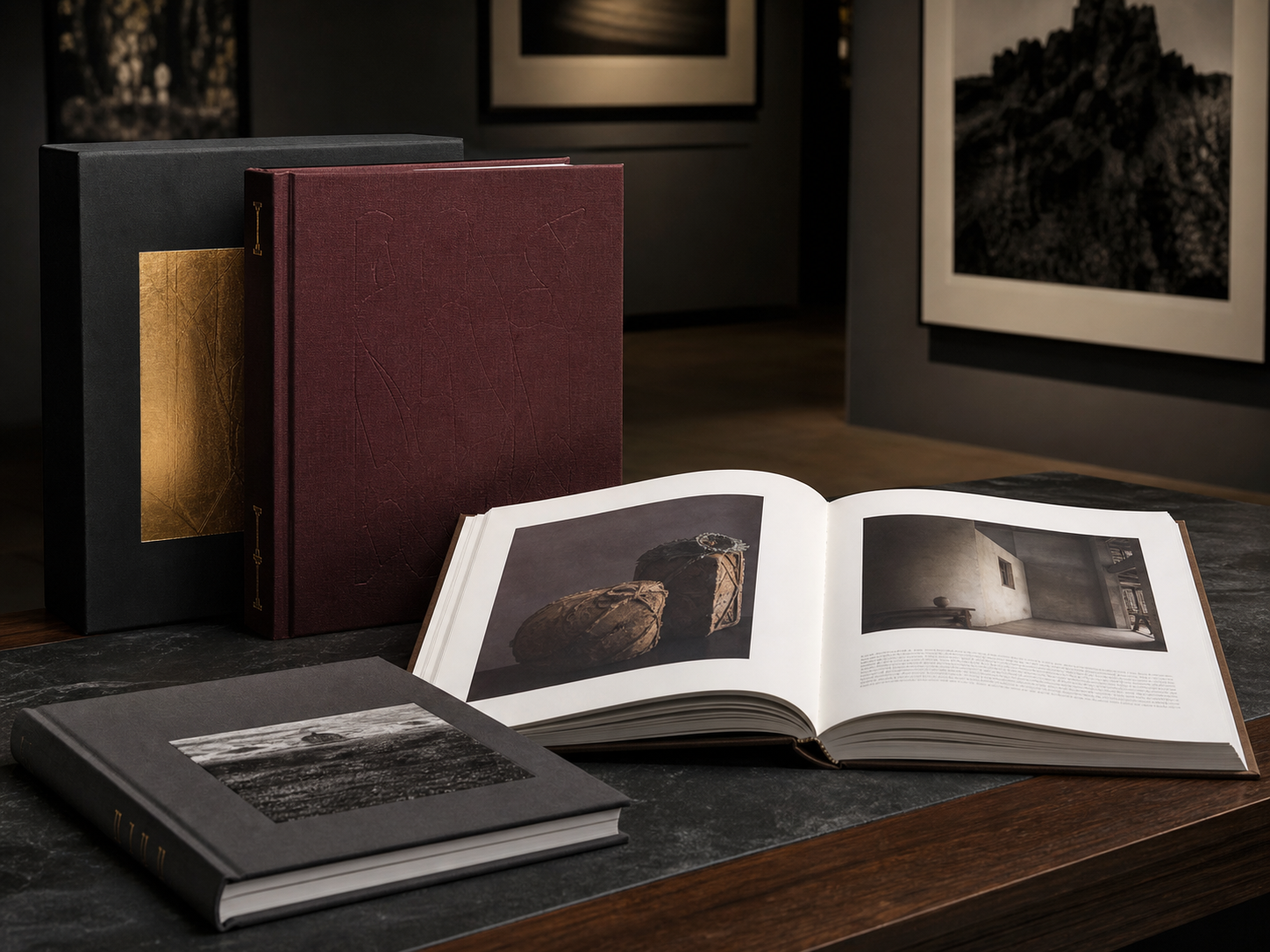
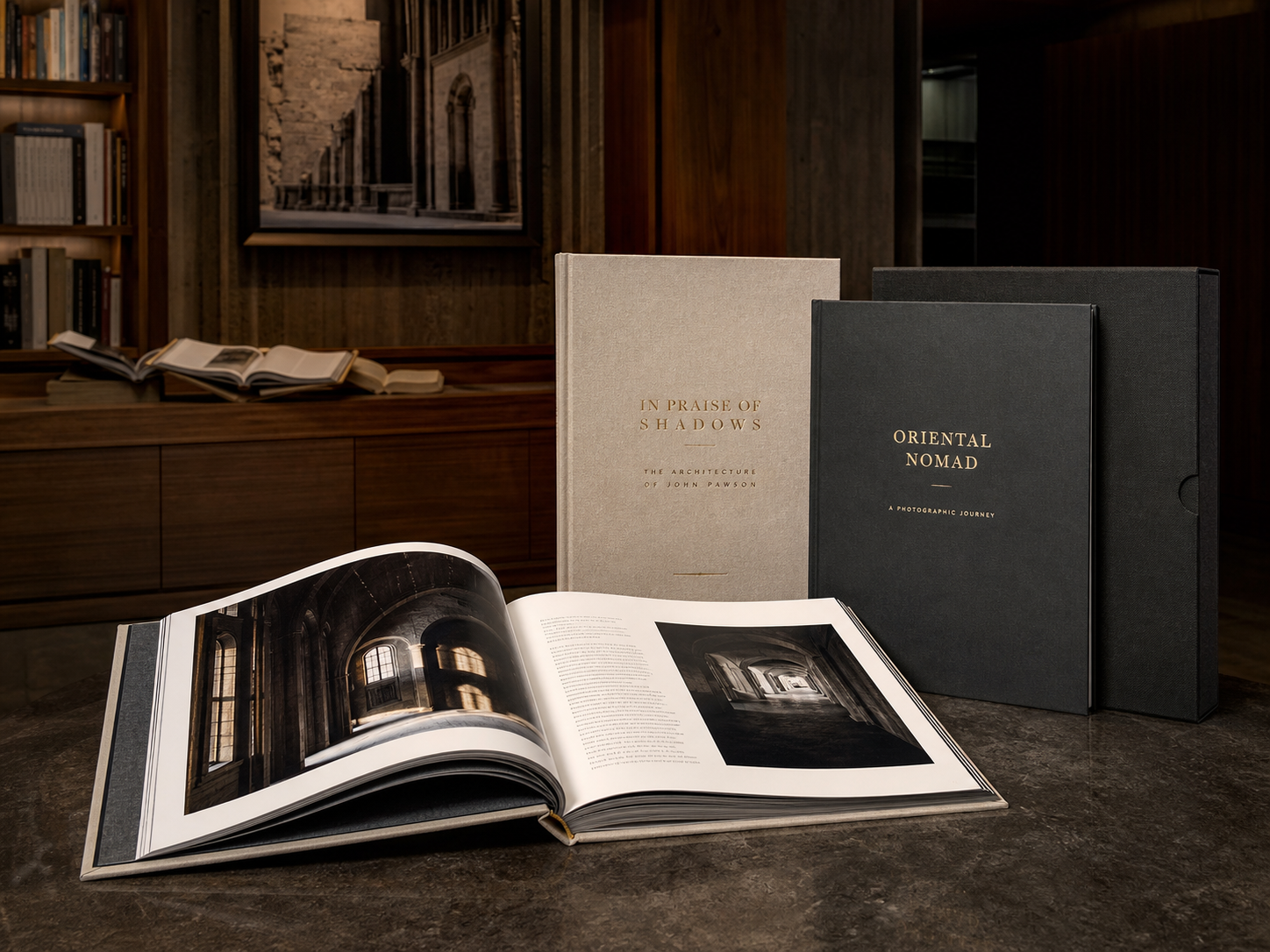
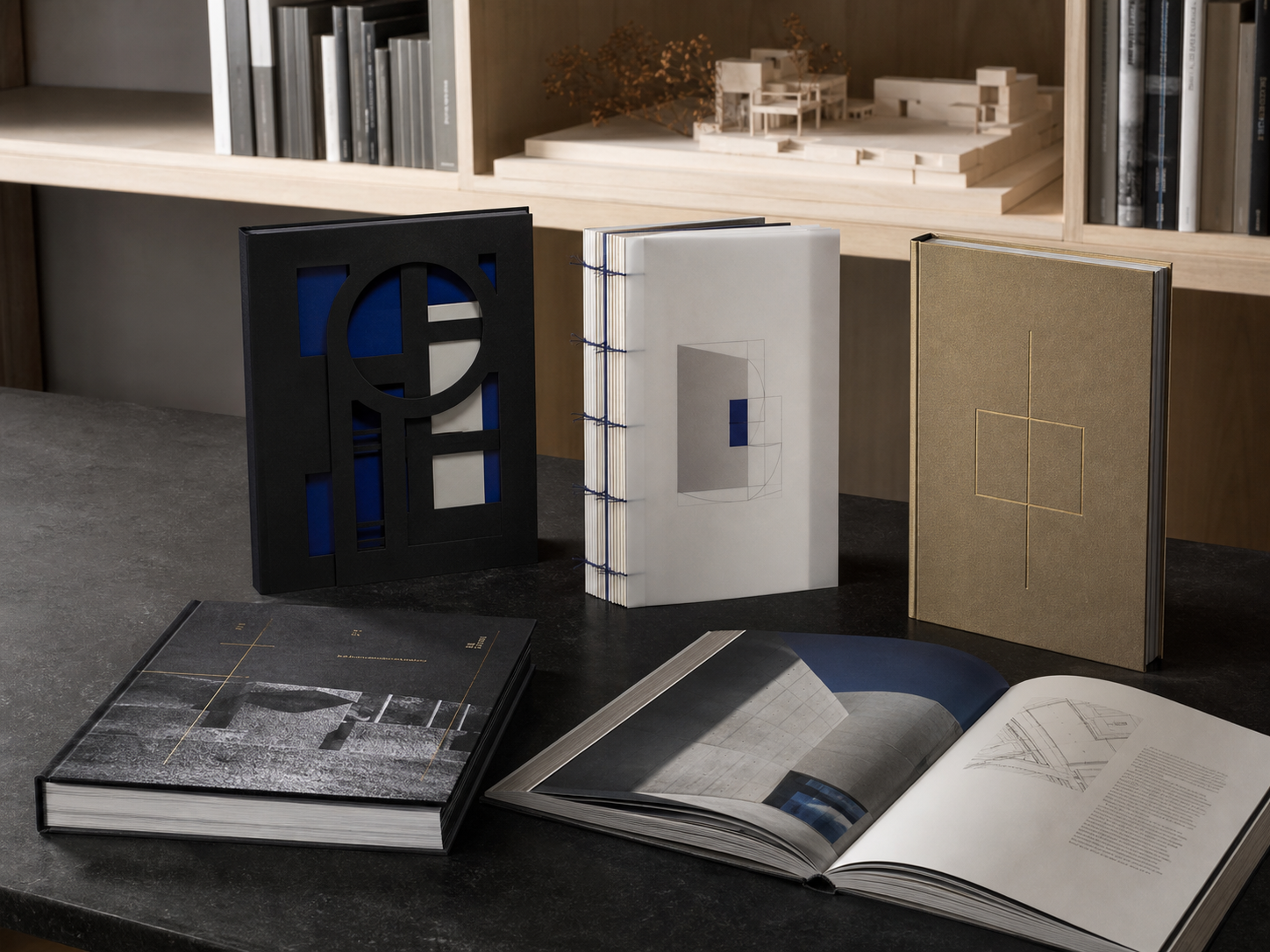
The story of a visual book
An art book is judged slowly. Readers notice the neutrality of a shadow, the warmth of an uncoated sheet, the rhythm of a sequence and the way a spread opens on a table. These are editorial decisions expressed through production.
We treat format, paper, ink, binding, finishing, proofing and packing as one visual system. The goal is not decorative excess. It is a publication whose physical character strengthens the artwork and remains repeatable across an exhibition, collection or publishing list.
Art books by publishing purpose
Each route begins with audience, image language, distribution and expected life. Final construction follows the artwork, page count, quantity, market and approved proof.
Artist books, exhibition volumes and collector editions with quiet authority.
Discuss this product →Wide tonal range, controlled blacks and paper selected for the image language.
Discuss this product →Exhibition catalogues, collection records and coordinated institutional series.
Discuss this product →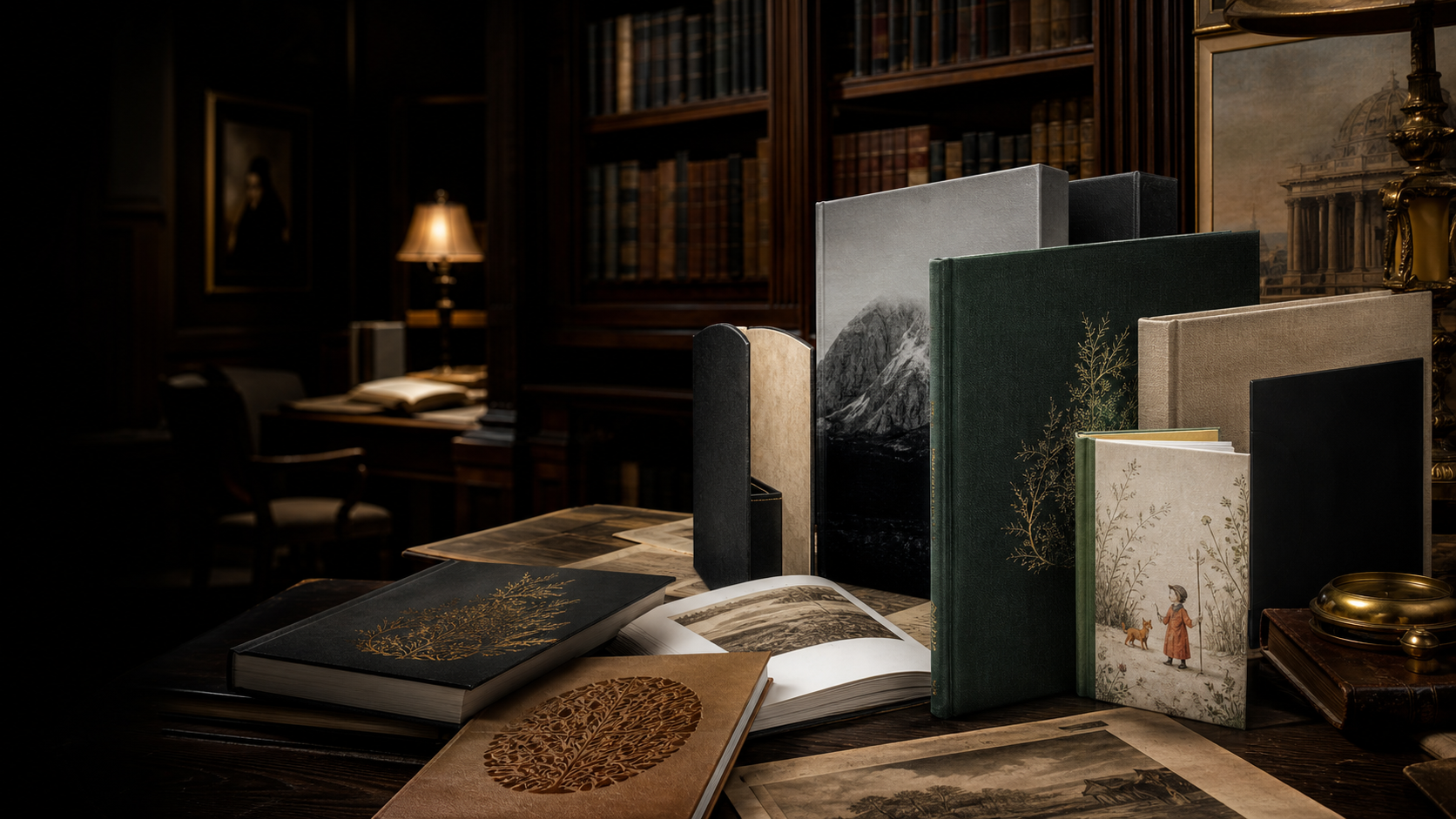
Large formats, disciplined grids and material contrast for visual practice.
Discuss this product →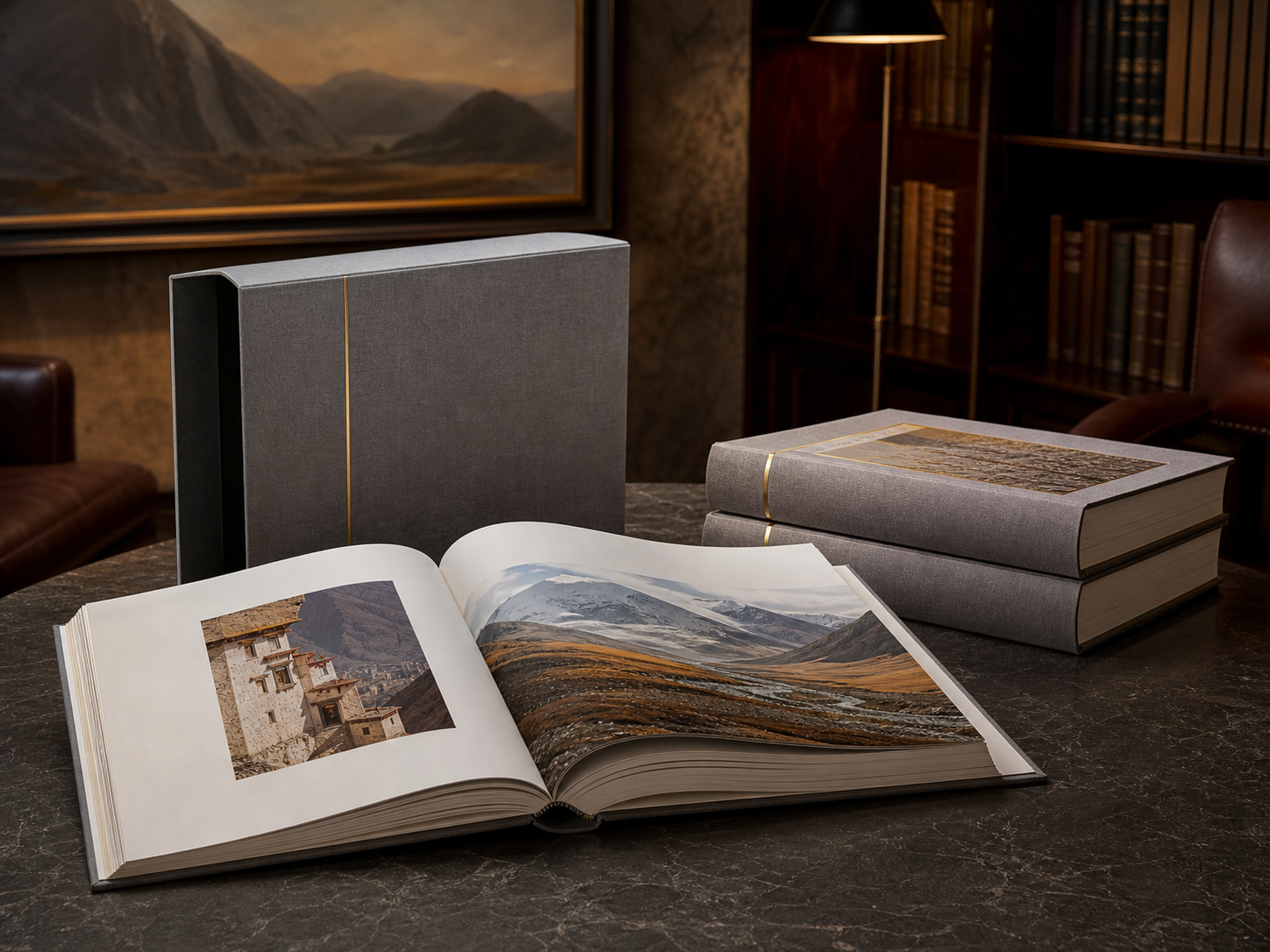
Documentary, archival, historical and place-based publications built to endure.
Discuss this product →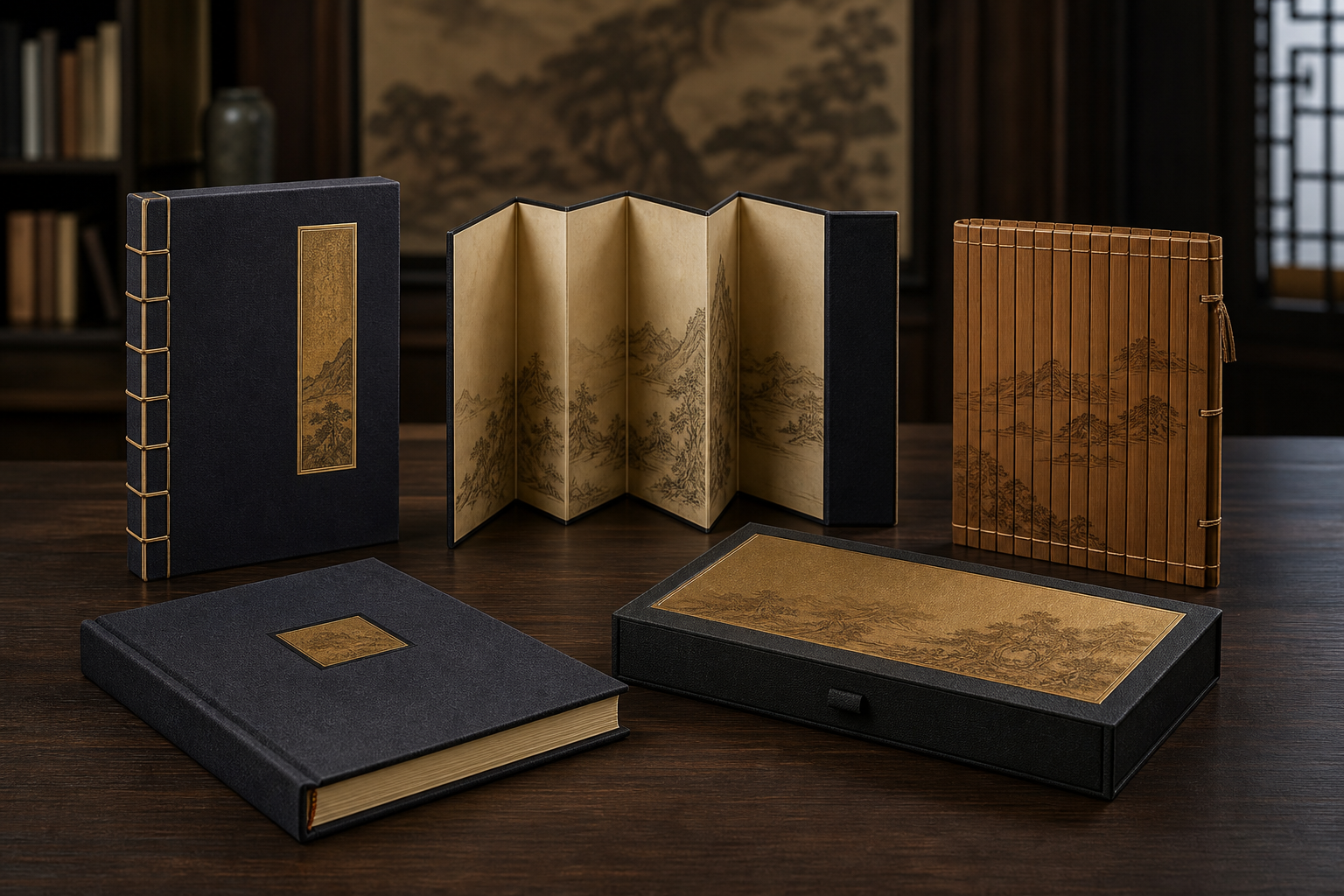
Numbered editions, exposed structures, book boxes and restrained finishing.
Discuss this product →Specification framework
These ranges are practical starting points, not automatic promises. Final construction follows the artwork, page count, use, quantity, shipment and approved proof or physical sample.
Send your current specification →| Common formats | Custom portrait, landscape, square and oversize formats for monographs, catalogues and visual editions |
|---|---|
| Cover structures | Casebound, exposed or concealed binding, softcover, French flap, dust jacket, quarter-bound and approved lay-flat structures |
| Interior paper | Coated, uncoated, matte, textured, recycled and approved specialty papers selected by image and reading experience |
| Binding | Sewn case binding, sewn perfect binding, PUR perfect binding, lay-flat and special structures confirmed by dummy or sample |
| Color control | File preflight, calibrated contract proofing, supplied references, press checks and production color checkpoints |
| Finishing | Cloth, paper or printed cases; foil, emboss, deboss, edge treatment, tip-on image, spot treatment and die-cut details |
| Presentation | Slipcases, clamshell boxes, book-and-print sets, belly bands and publisher-specific presentation systems |
| Protection | Individual wrapping where required, reinforced export cartons, palletization, destination marks and shipment documentation |
Materials & finishing
The most convincing art books use paper, structure and finishing with restraint. Every surface should serve the image, the institution and the intended life of the edition.
Shade, tooth, gloss, opacity and bulk matched to photography, illustration and text.
Neutral grays, deep blacks, skin tones and saturated work evaluated through approved proofs.
Grain, signature plan, sewing and spine structure coordinated for generous visual spreads.
Book cloth, printed paper, specialty wraps and tip-on panels selected for touch and durability.
Foil, emboss, deboss and spot effects tested for registration, pressure and visual hierarchy.
Trim, paper, color, binding and packing standards recorded for reprints and multi-title lists.
A controlled production path
Format, page count, image standard, quantity, destination, launch and budget framework.
Paper, grain, signatures, binding, cover, finishing and packing reviewed as one object.
Contract proof, paper dummy and bound sample selected according to visual and structural risk.
Printing, folding, gathering, sewing, binding and finishing follow approved references.
Final inspection, edition packing, carton marks and shipment information prepared for destination.
Art book printing FAQ
Share the finished size, page count, color, paper direction, binding, finishing, quantity, artwork status, delivery destination and launch date. Reference books or images are valuable when the final specification is still open.
Coated papers generally support higher detail and density; uncoated papers offer a softer, more tactile reading experience. Image style, tonal range, opacity, bulk, binding and proof results should guide the decision.
Yes. The appropriate proof depends on the artwork, spot colors, paper and required confidence. A proof predicts color within its agreed condition; the final production standard and any paper effect must be documented.
We review image preparation, total ink coverage, black construction, paper, proofing and supplied references. Critical tonal work should be identified early and approved through a controlled proofing route.
A dummy is useful when format, paper bulk, opening, spine, case material, slipcase or presentation strongly affects the edition. A bound production sample may be required for higher structural or visual risk.
Yes. Publishers and institutions can align trim, paper families, color references, binding, finishing and packing while preserving title-specific artwork and quantities.
We can assess a physical sample, measured specification, production records or detailed reference images. Material availability, tolerance and an approved sample remain part of final confirmation.
Start with the real publication
Send your current specifications, quantity, destination, artwork status and reference images. We will identify the missing production decisions before quotation.
Start an art book project