Paper & opacity
Whiteness, shade, bulk and show-through matched to text, illustration and photography.

Paperback · French flap · sewn softcover
For trade lists, literary editions, educational programs and image-led publishing where a lighter structure still needs serious paper, controlled color and a confident shelf presence.
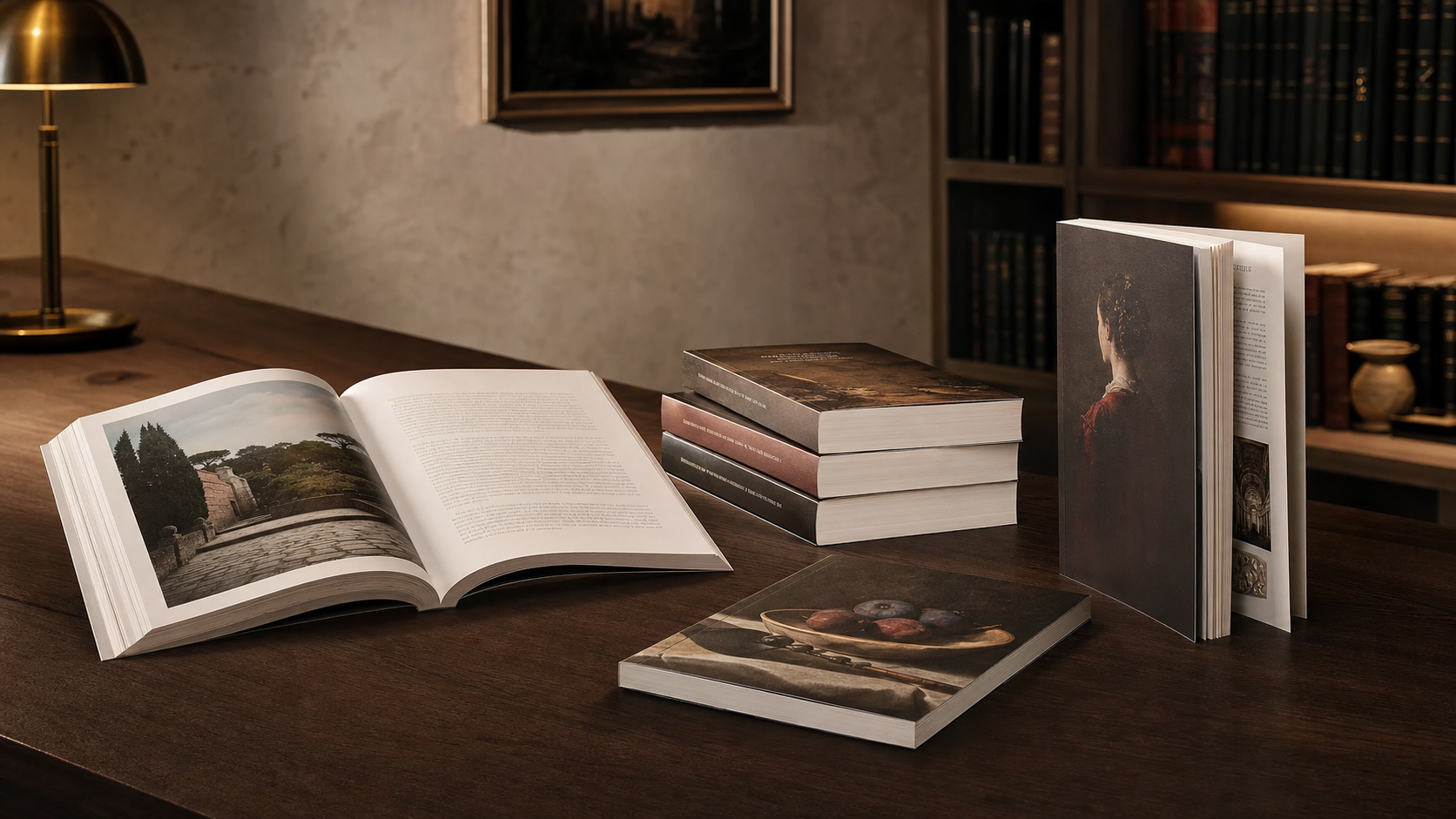

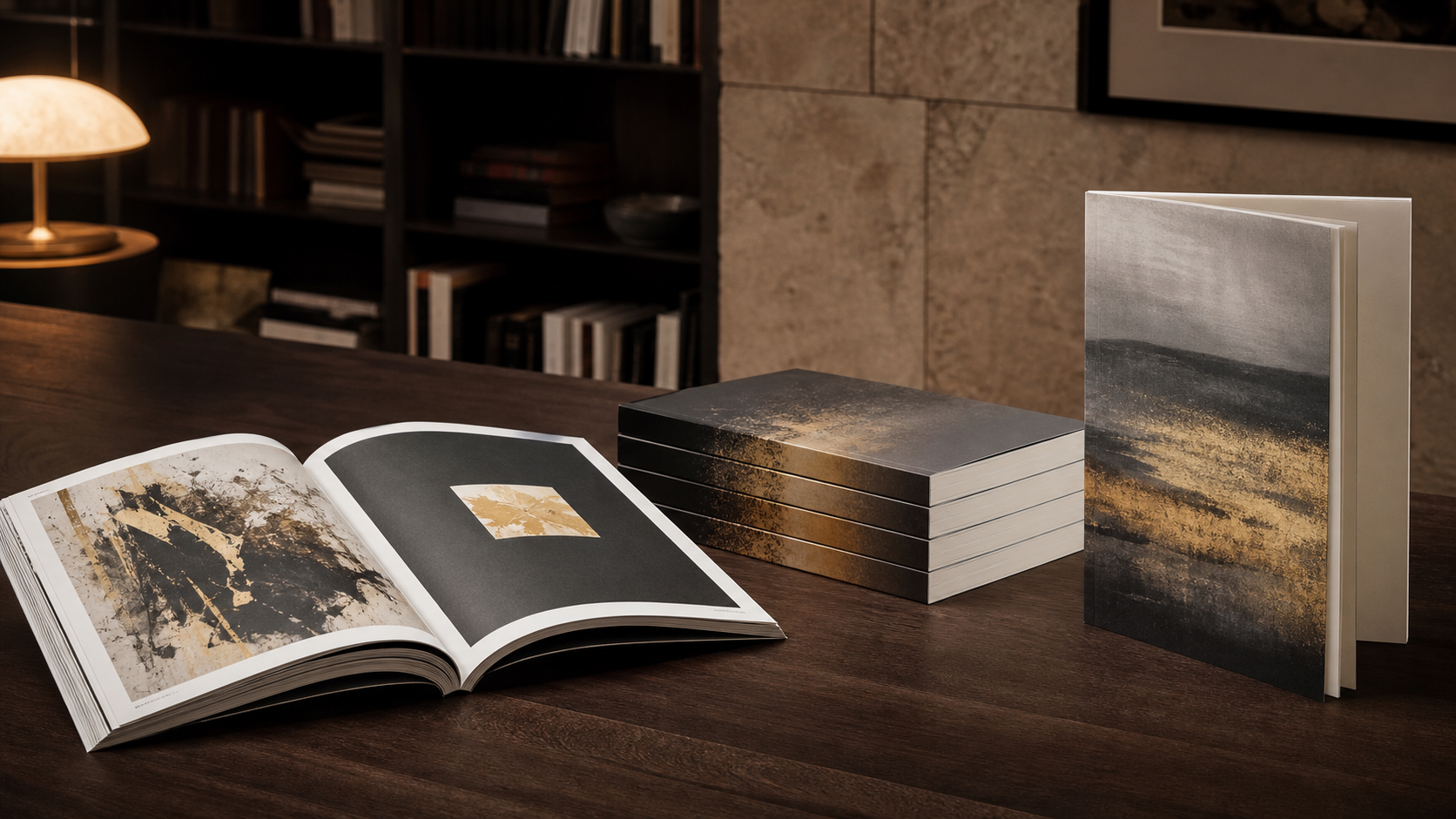
The story of a softcover edition
Softcover books carry stories into everyday life. They travel, open easily, move through classrooms and bookshops, and make an ambitious publishing list available to more readers. Their apparent simplicity makes proportion, paper and binding even more important.
A successful trade edition balances page count, paper bulk, opacity, spine strength, cover grain, opening behavior and shipping weight. We treat these decisions as one publishing system—so the book feels considered in the hand, performs through repeated use and remains practical to reproduce across a series.
Softcover books by publishing use
Each route begins with a clear publishing use. Final paper, binding, cover and finishing are then engineered around the artwork, page count, quantity, market and expected life of the edition.
Literary lists, general publishing and coordinated paperback editions.
Discuss this product →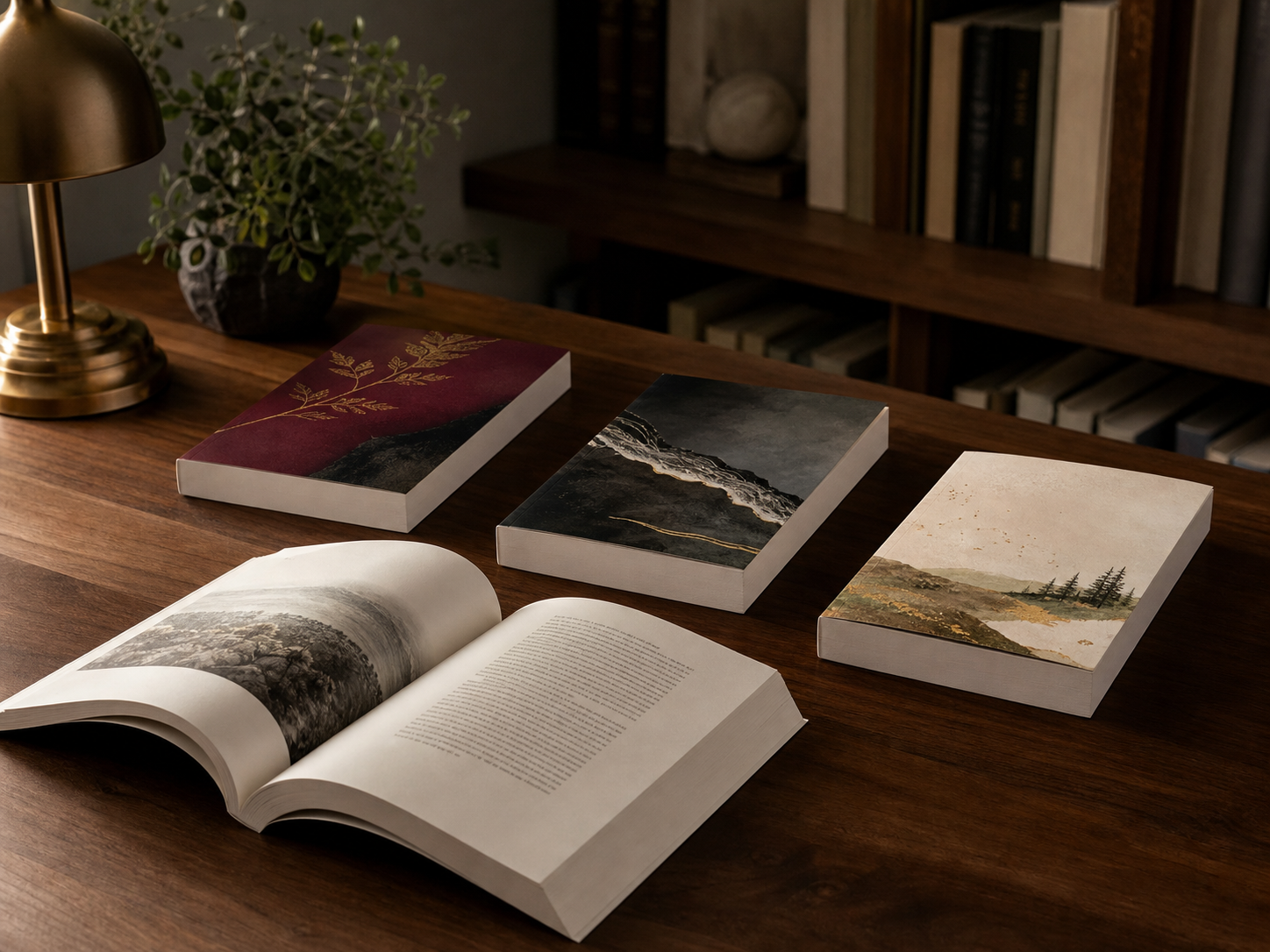
Readable paper, reliable binding and controlled series production.
Discuss this product →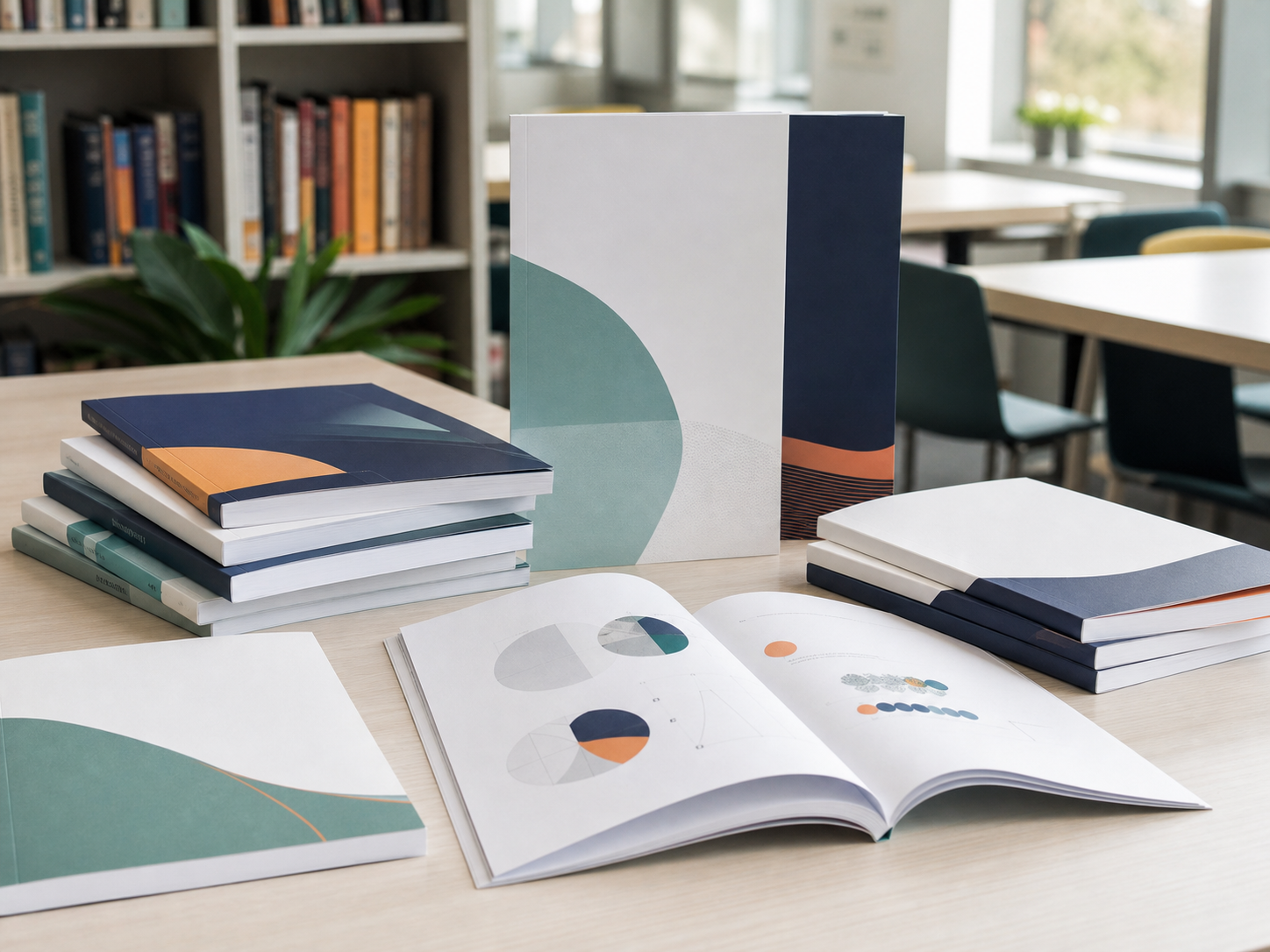
Textbooks, course books, manuals and repeatable learning programs.
Discuss this product →
Image-led catalogues, journals, brand systems and periodical editions.
Discuss this product →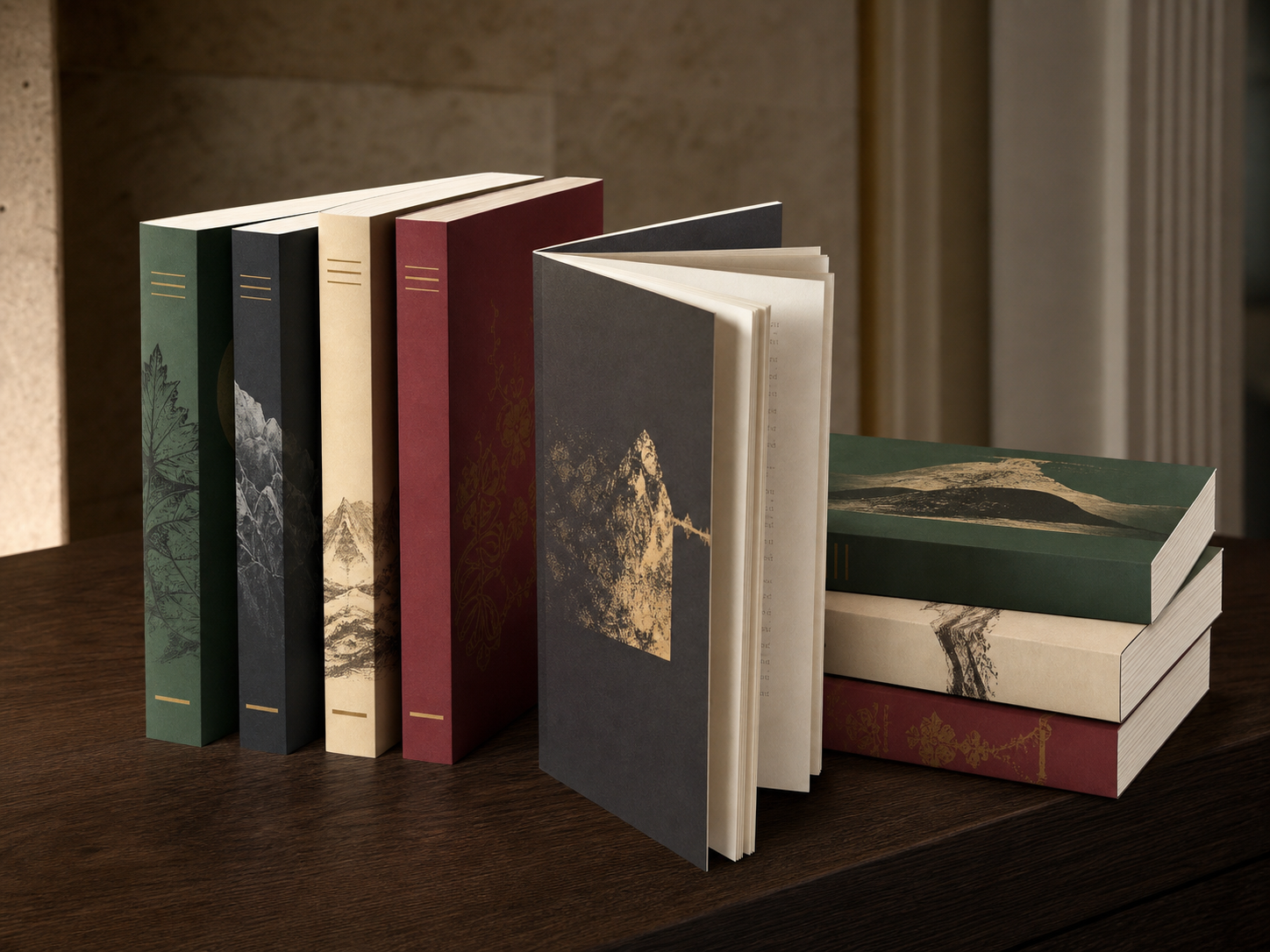
Shared formats, color standards and repeatable specifications across titles.
Discuss this product →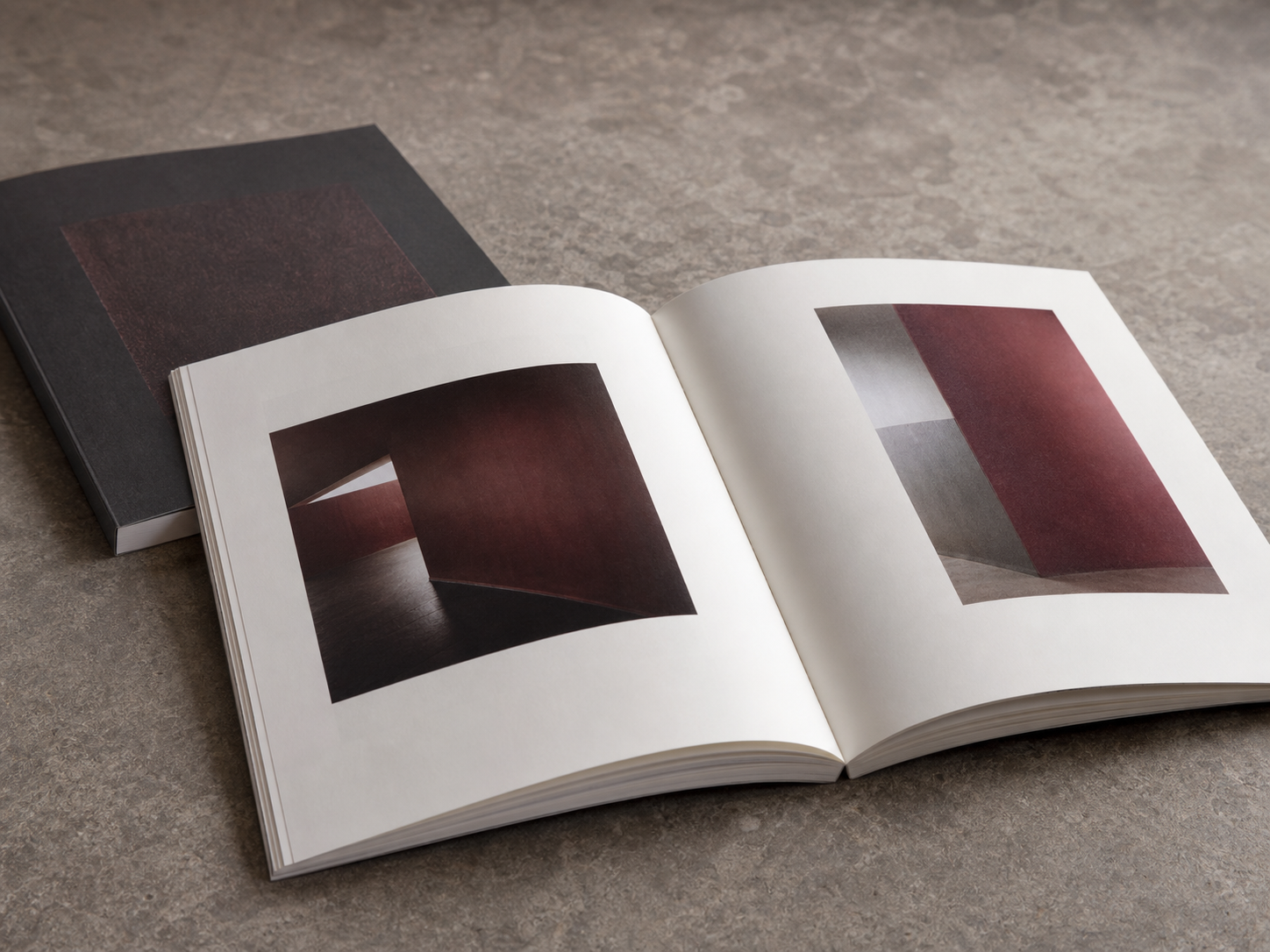
Refined papers, wide tonal range and careful opening for visual content.
Discuss this product →Specification framework
These ranges are practical starting points, not automatic promises. Final construction follows the artwork, page count, use, quantity, shipment and approved proof or physical sample.
Send your current specification →| Common formats | Custom portrait, landscape and square trim sizes; trade, textbook, catalogue and large visual formats |
|---|---|
| Cover stock | Typical 200–350 gsm cover stocks, selected for spine behavior, grain, finish and required stiffness |
| Interior paper | Uncoated, coated, woodfree, bulky, high-opacity, recycled and approved specialty papers |
| Binding | PUR perfect binding, EVA perfect binding, sewn perfect binding, French-flap and approved lay-flat structures |
| Cover finishing | Matte, gloss or anti-scuff lamination; foil, emboss, deboss, spot treatment and die-cut details |
| Color control | File preflight, calibrated proofing, approved references and production color checkpoints |
| Protection | Individual wrapping where required, reinforced export cartons, palletization and destination marks |
| Proofing | Digital proof, paper dummy, bound advance sample or production sample according to project risk |
Materials & finishing
Premium softcover production depends on proportion and restraint: the right bulk, the right stiffness, a strong spine and finishing that belongs to the content.
Whiteness, shade, bulk and show-through matched to text, illustration and photography.
Adhesive, milling, notch binding or sewing selected for page count, paper and opening.
Flap depth, scoring, grain and cover stock balanced for refinement and clean folding.
Lamination or coating selected for touch, color, scuff resistance and recyclability goals.
Foil, emboss, deboss and spot effects used with controlled registration and hierarchy.
Trim, spine, paper, color and carton standards recorded for repeat and multi-title programs.
A controlled production path
Size, page count, quantity, destination, use, schedule and visual standard.
Paper, grain, spine, cover, finishing and packing reviewed as one structure.
Color proof, paper dummy or bound sample selected according to project risk.
Printing, folding, gathering, binding and finishing follow approved references.
Final inspection, packing, carton marks and shipment information prepared for destination.
Softcover printing FAQ
Share the finished size, page count, interior and cover color, paper preference, binding, finishing, quantity, artwork status and delivery destination. A reference book or images help when the specification is incomplete.
PUR is often selected for coated papers, cross-grain concerns or books that need stronger page pull. The correct adhesive and spine preparation still depend on paper, ink coverage, page count and use.
Sewing is useful for heavier, higher-page-count or long-life editions where durability and opening are important. We confirm whether the extra process is appropriate after reviewing the complete specification.
Yes. French flaps add presence and useful editorial space. Cover stock, grain direction, scoring, flap depth and lamination must be coordinated to avoid cracking or spring-back.
We review cover grain, scoring, lamination tension, ink coverage, adhesive, paper moisture and packing. A physical sample is recommended when the combination carries higher risk.
Yes. Publishers can align trim, paper, binding, color references, packaging and shipment rules across a series while preserving title-specific artwork and quantities.
We can assess a physical sample, measured specification or detailed reference images. Material availability, production tolerance and an approved sample remain part of final confirmation.
Start with the real edition
Send your current specifications, quantity, destination, artwork status and reference images. We will identify the missing production decisions before quotation.
Start a softcover project