Book cloth and tactile mounting
Review surface, texture, color and foil compatibility before production.

Hardcover · Cloth · Collection edition
Suitable for publishing projects with clear requirements for cover, flipping, materials and bookshelf presentation, from market hardcover editions to museum publishing and boxed collection sets.
The Story of a Hardcover Book
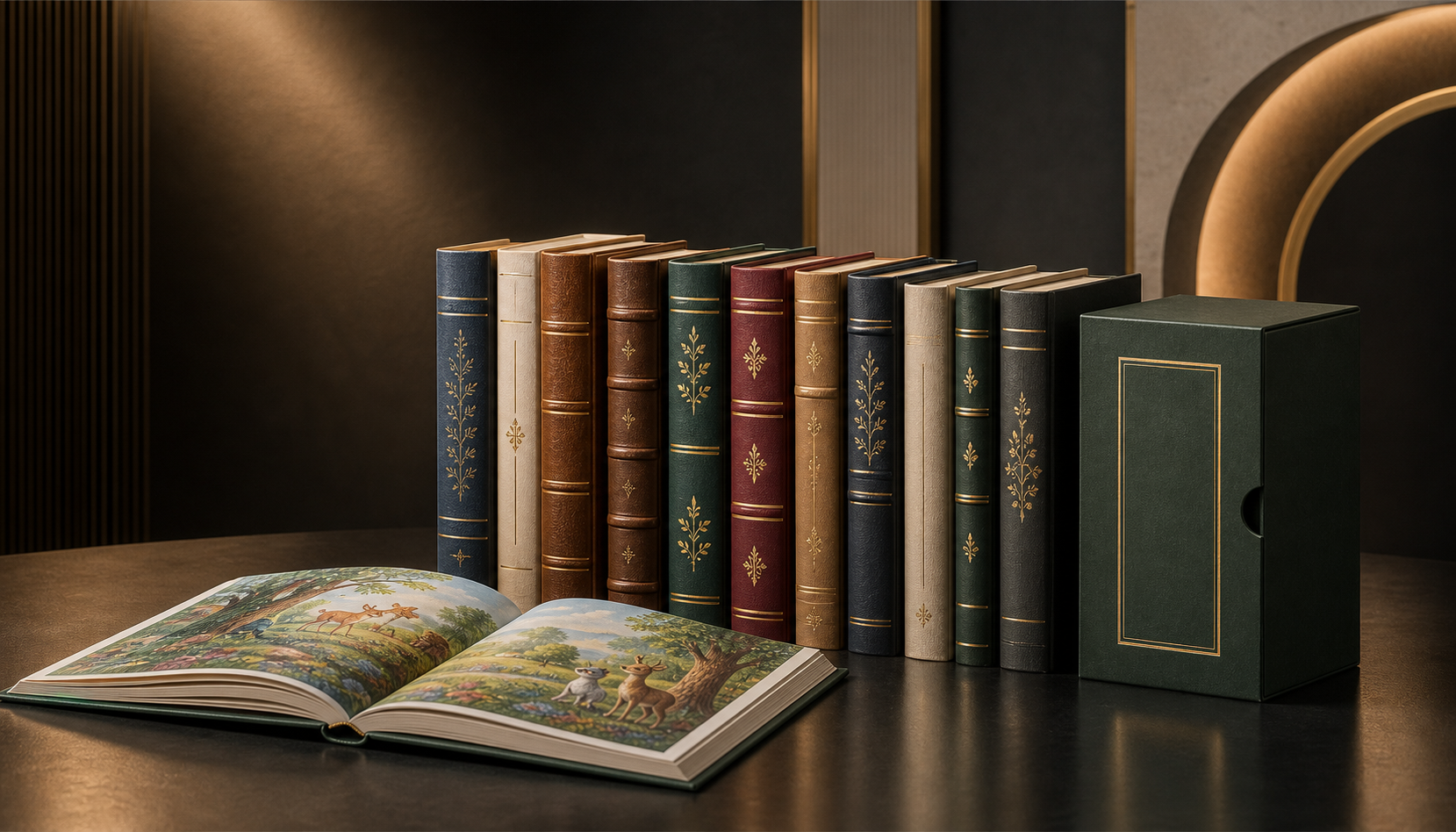
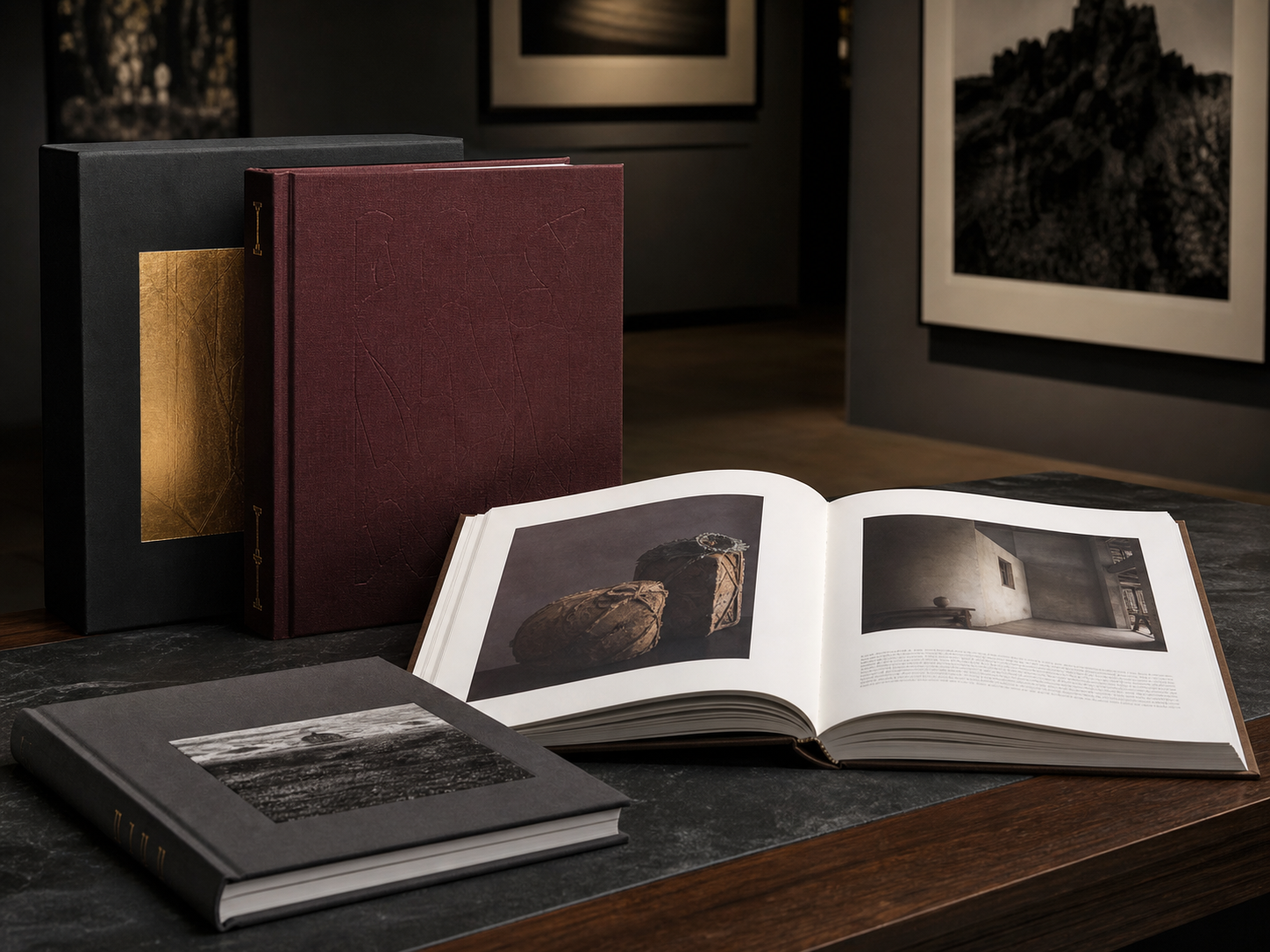
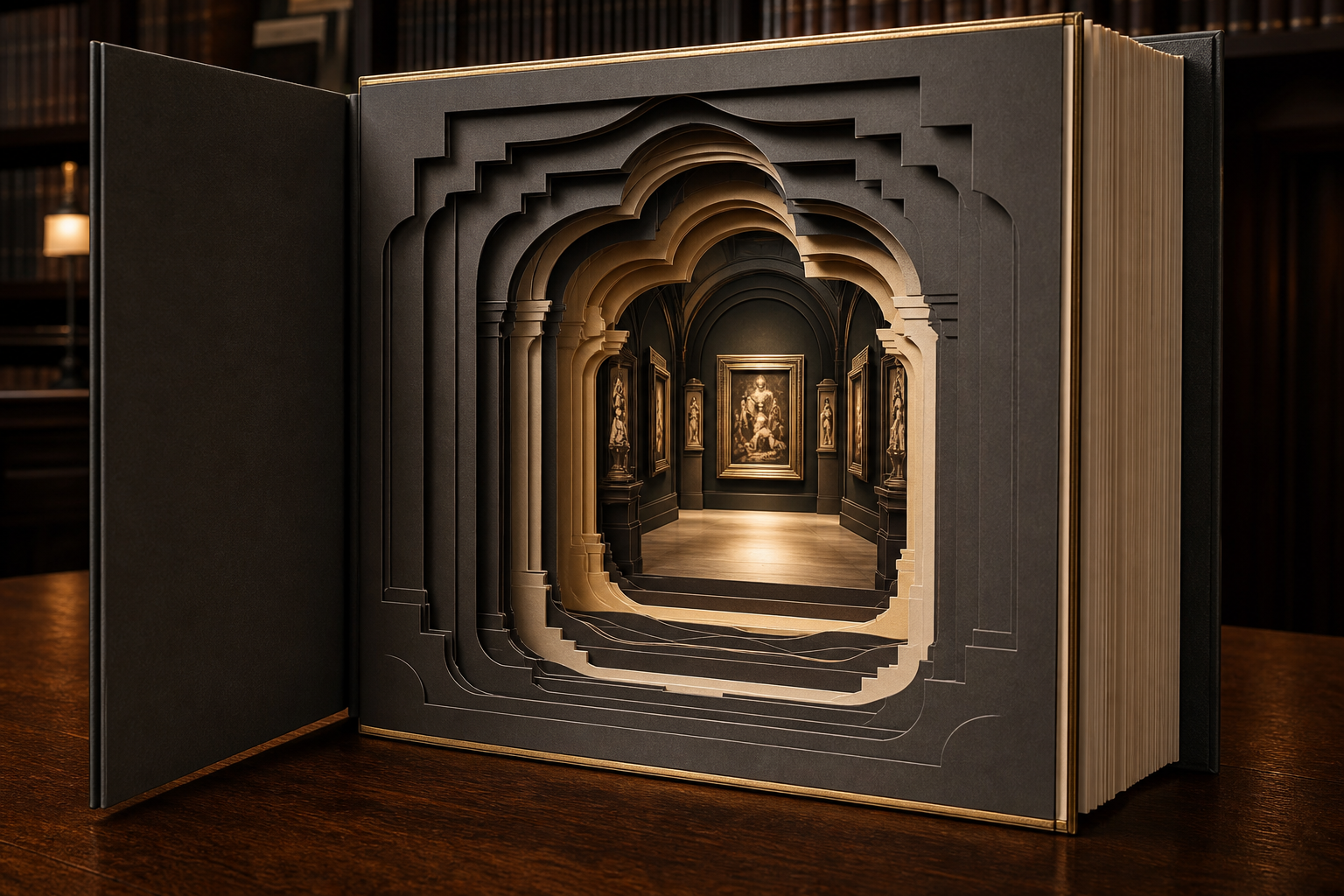
Every hardcover book begins with something worthy of physical preservation—an artist’s archive, a publisher’s bibliography, a family history, a museum record, or a story worth reading again and again. The cover makes the first promise; look through the performance, paper and image to determine whether this promise is true.
Successful versions combine visible design with hidden engineering. The board thickness, mounting material, spine structure, ring lining, inner pages, sub-section stitching and protective packaging are reviewed as a system to make the book both hefty and able to withstand real use.
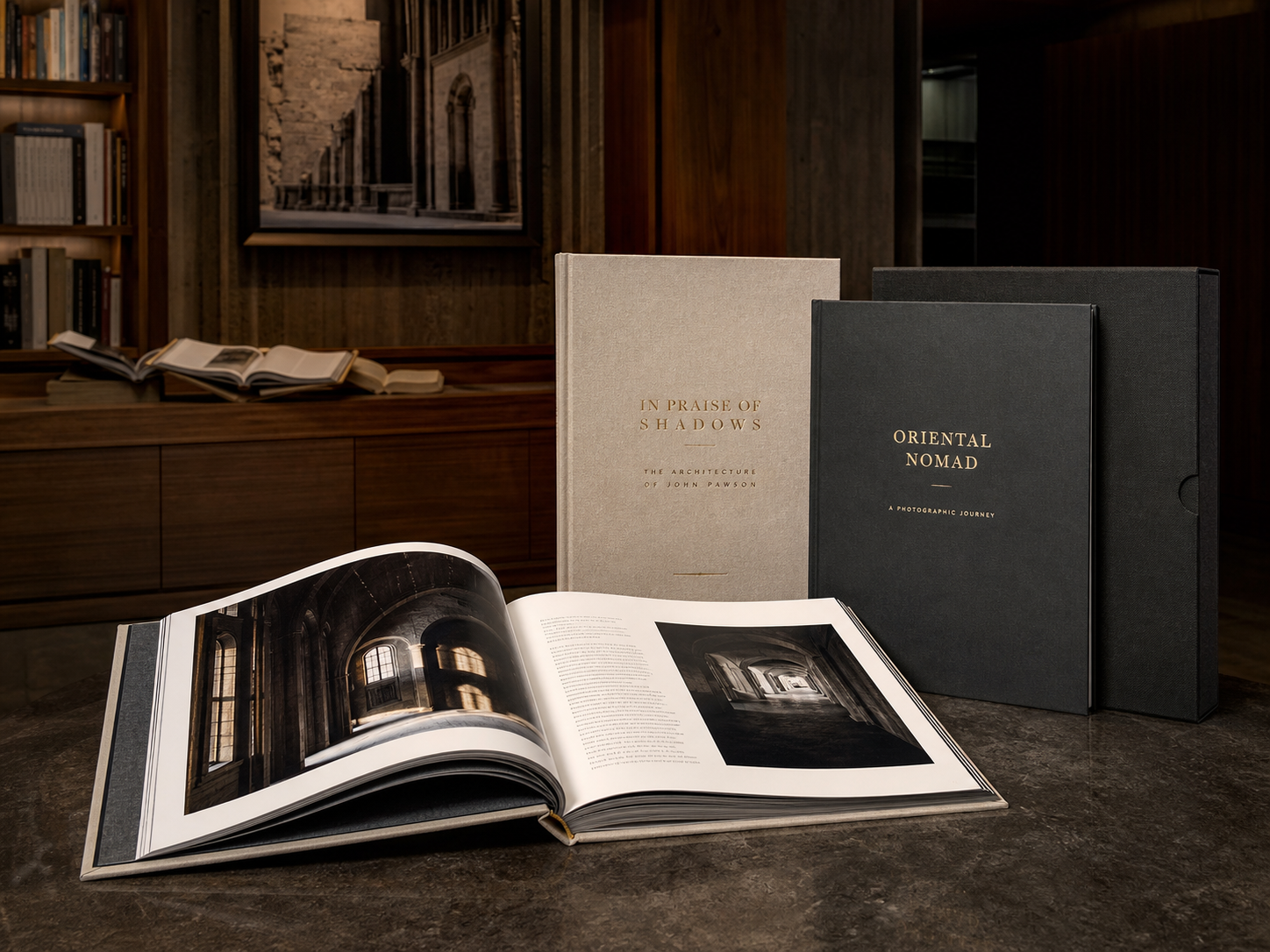
Museums, galleries, artist albums and photography publishing.
Browse products →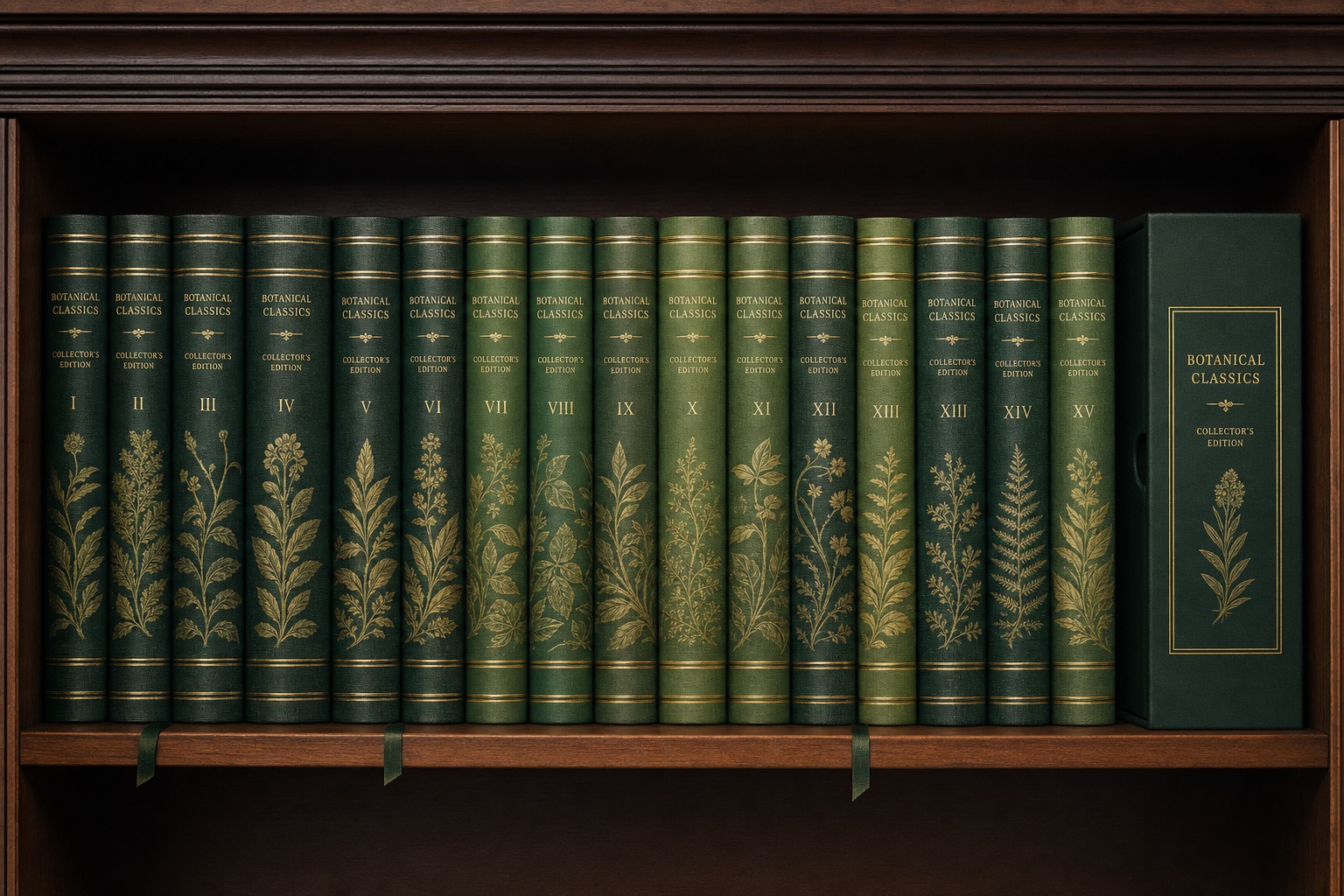
Chef, cooking, food culture and illustrated recipe version.
Browse products →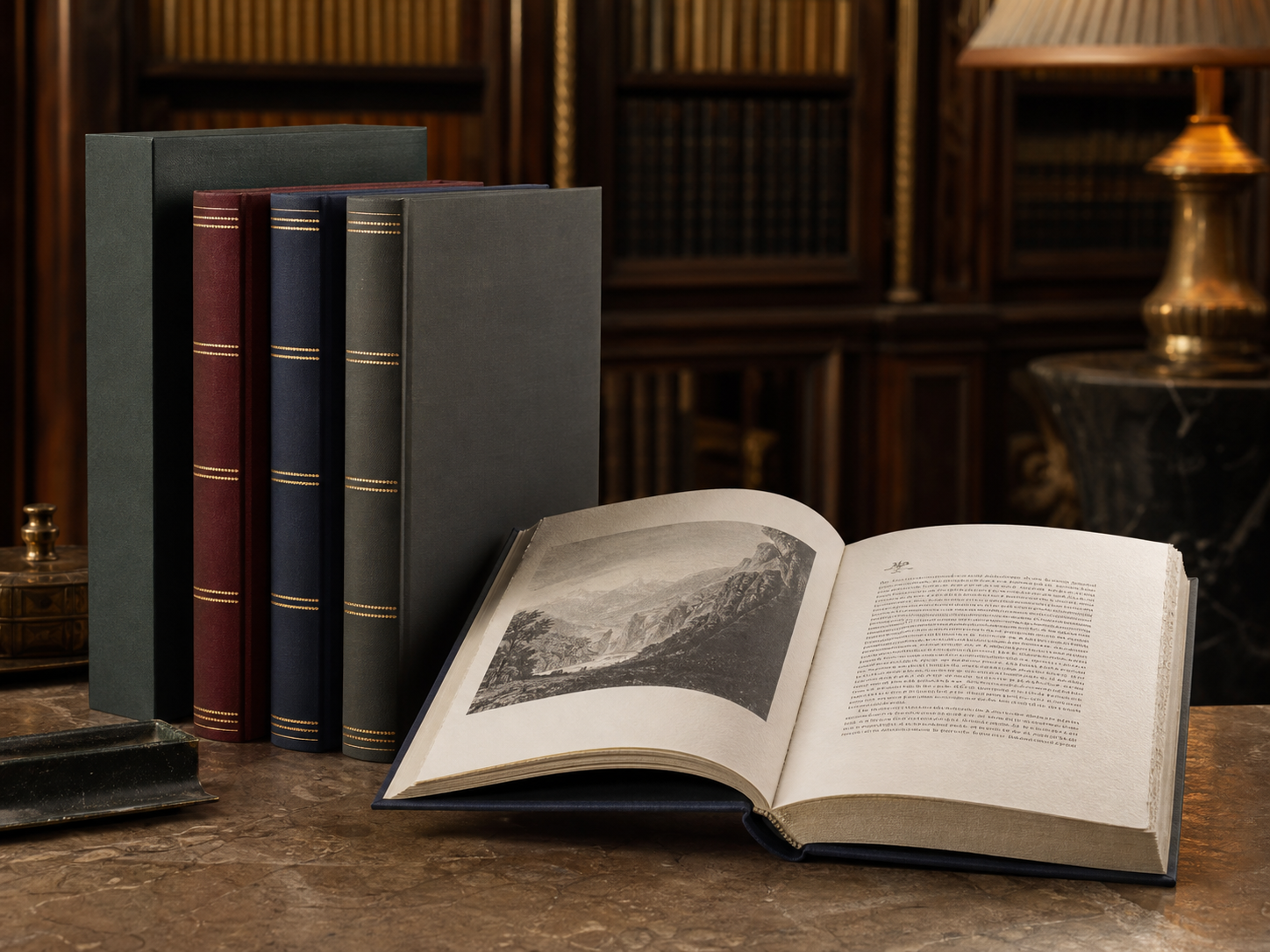
Literary bibliography, special editions, biographies and family history.
Negotiate this product →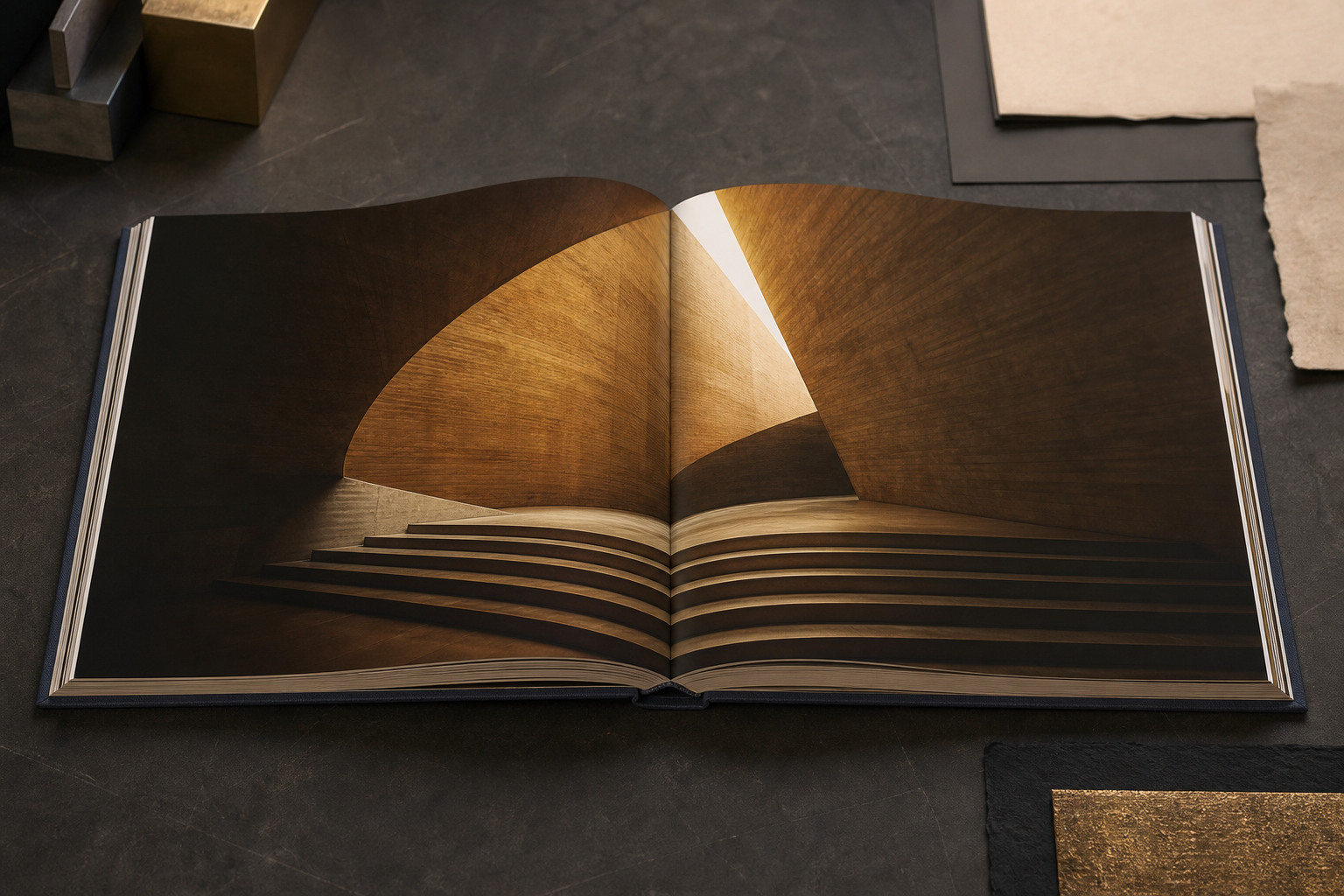
A portfolio of architectural, interior, industrial design and creative works.
Browse products →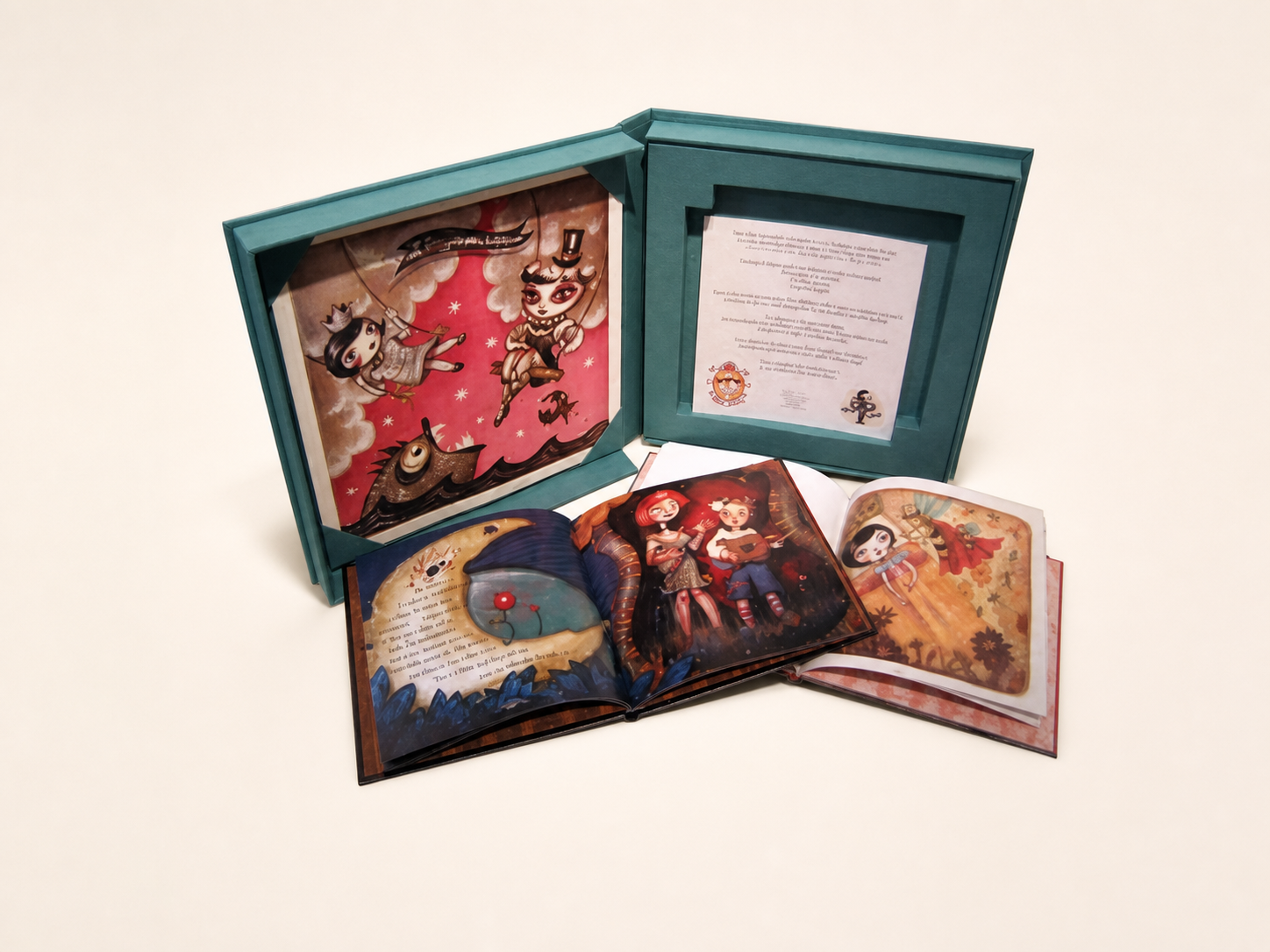
Picture books, storybooks and durable illustration collection set.
Browse products →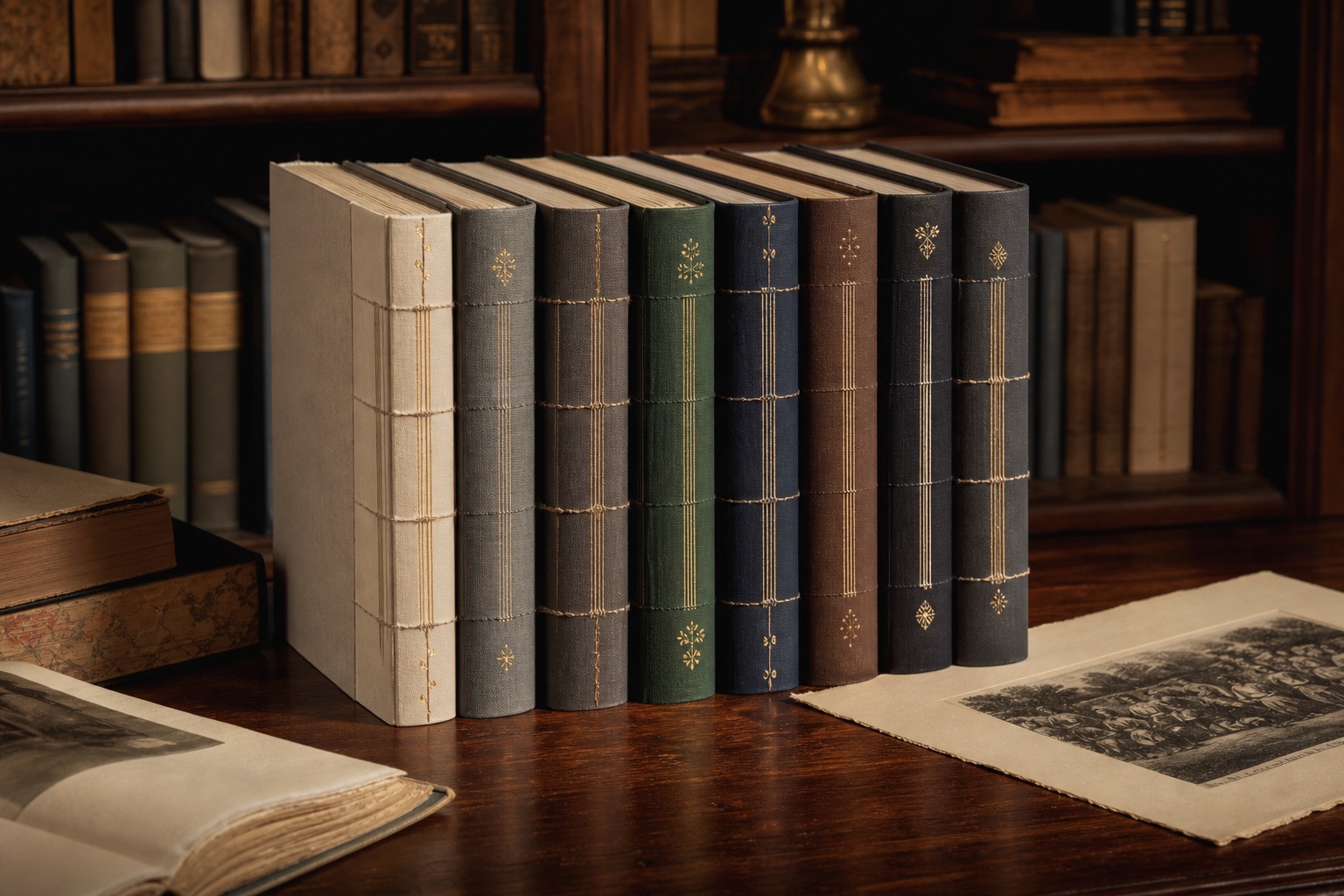
Archives, institutional history, cultural works and commemorative publications.
Negotiate this product →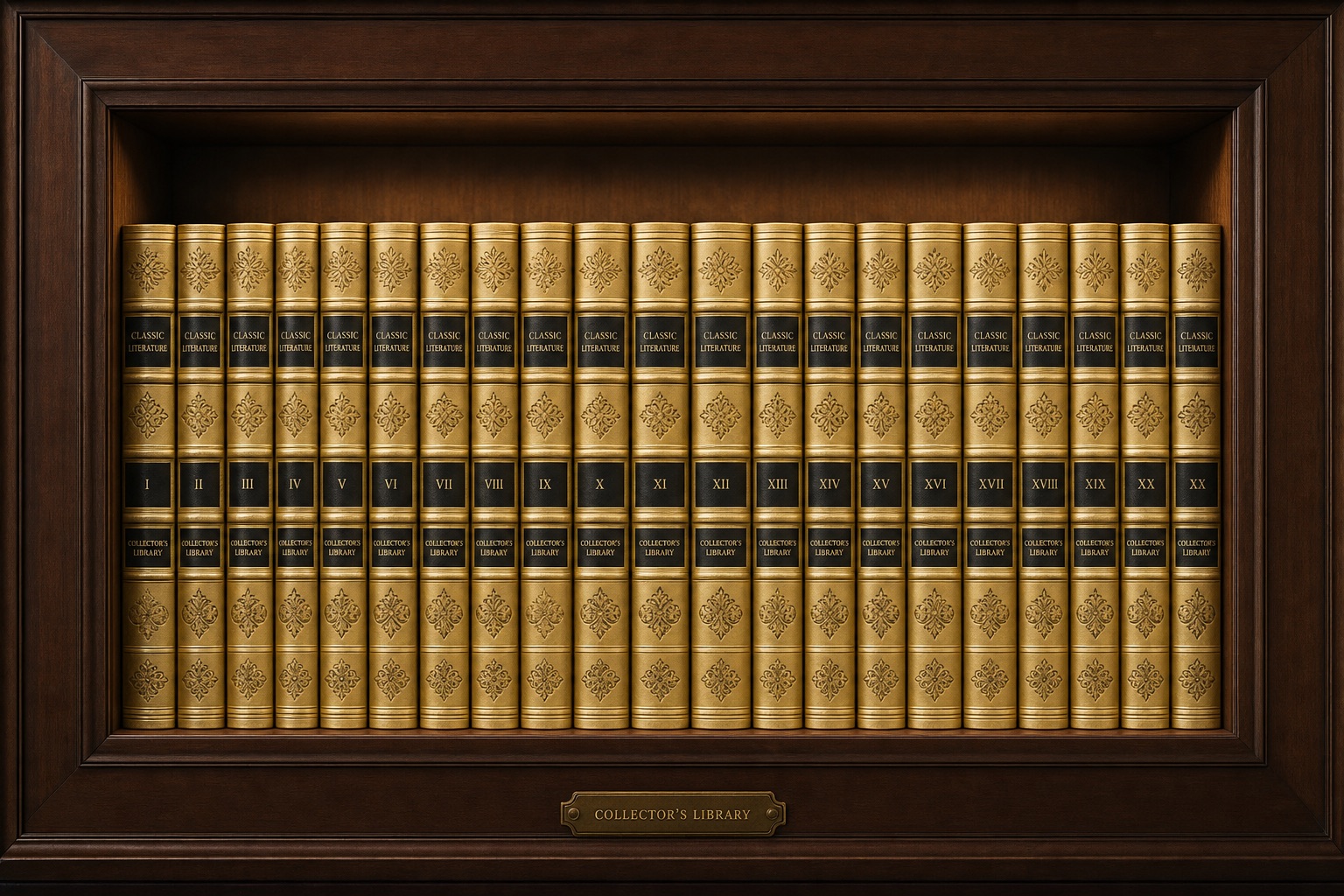
Medical, scientific, dictionary and long-term reference publications.
Browse products →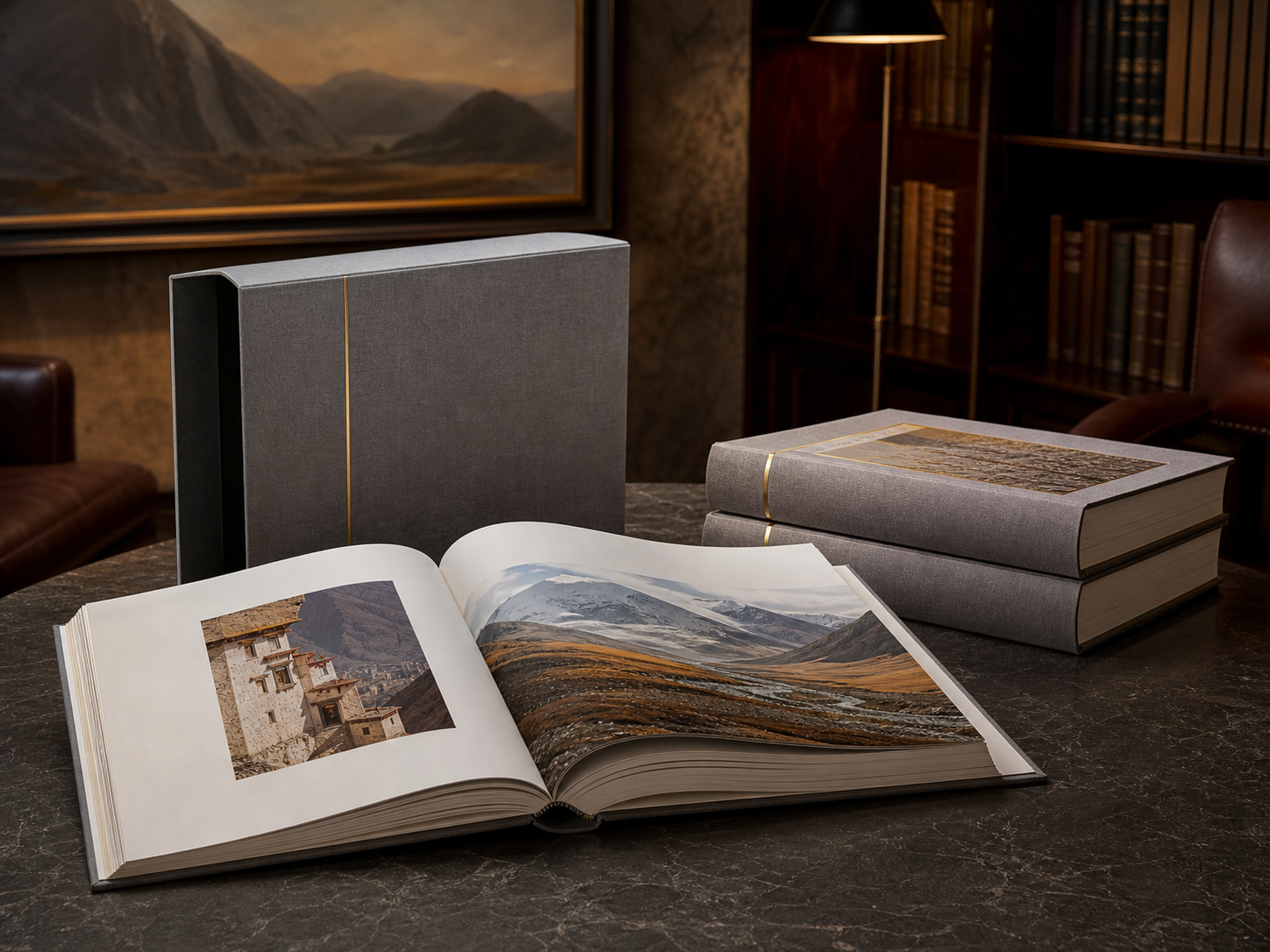
Destination, landscape, culture and large format visual narrative.
Browse products →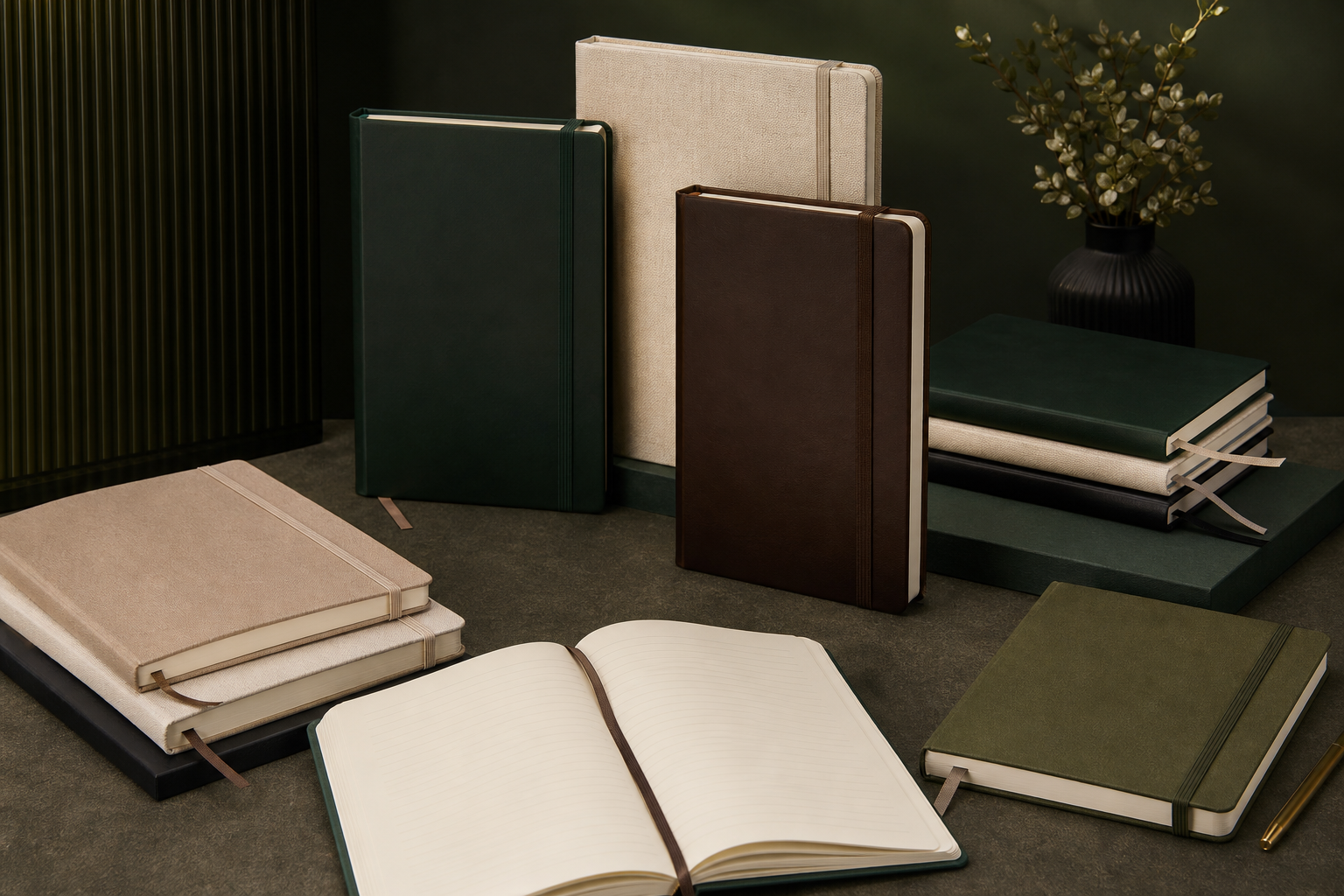
Business logs, diaries, guided notebooks and fine writing books.
Browse products →Application and material temperament

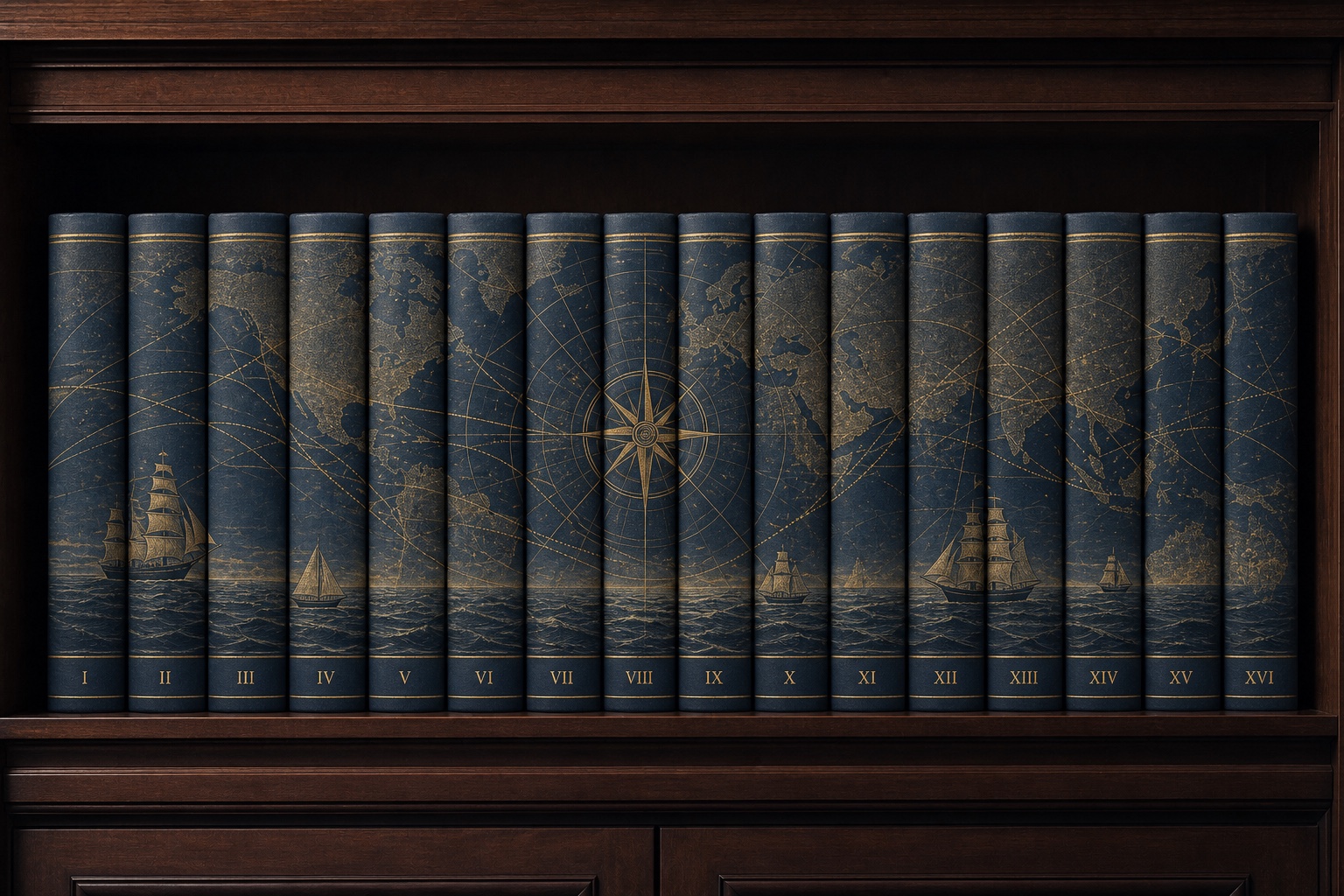
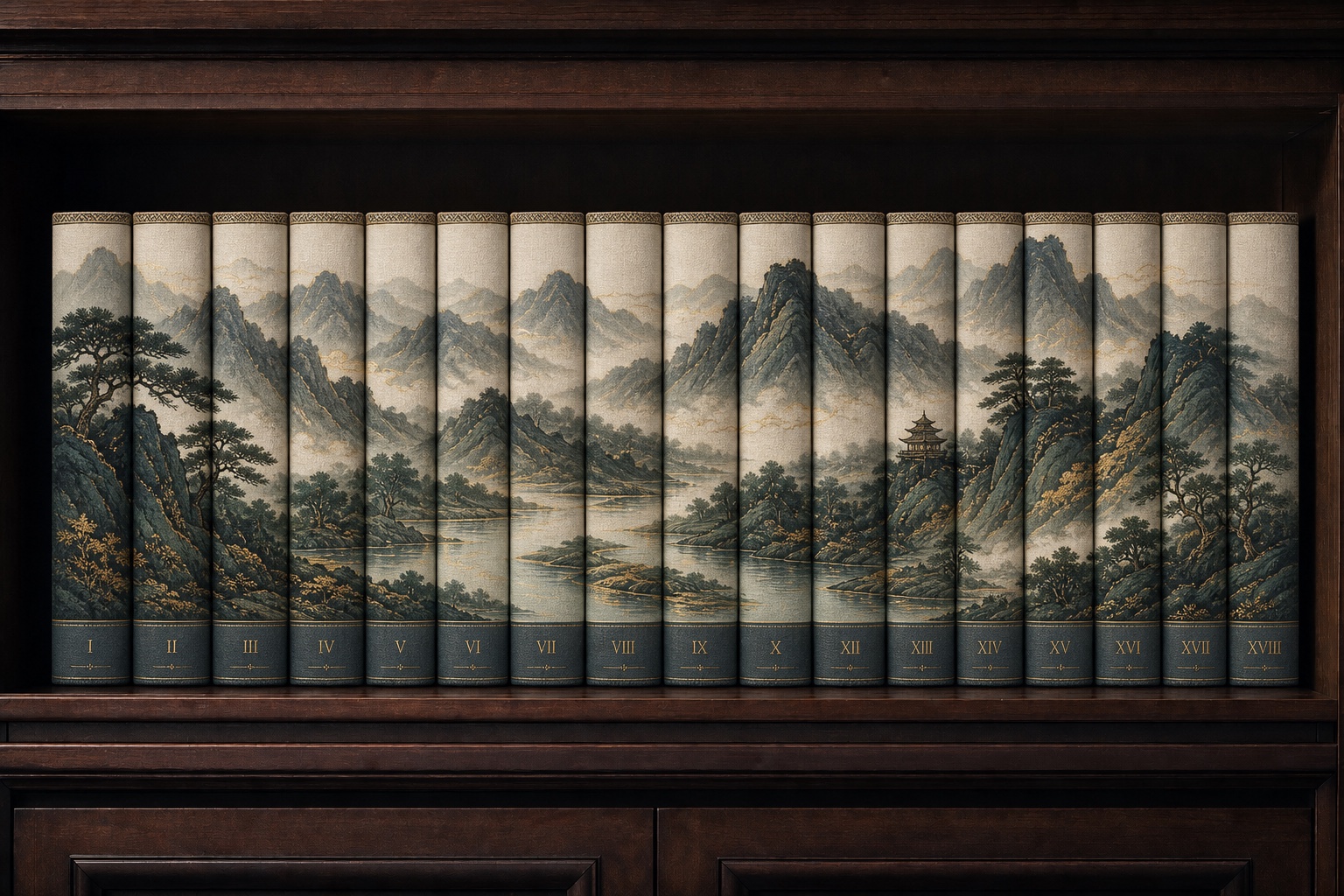
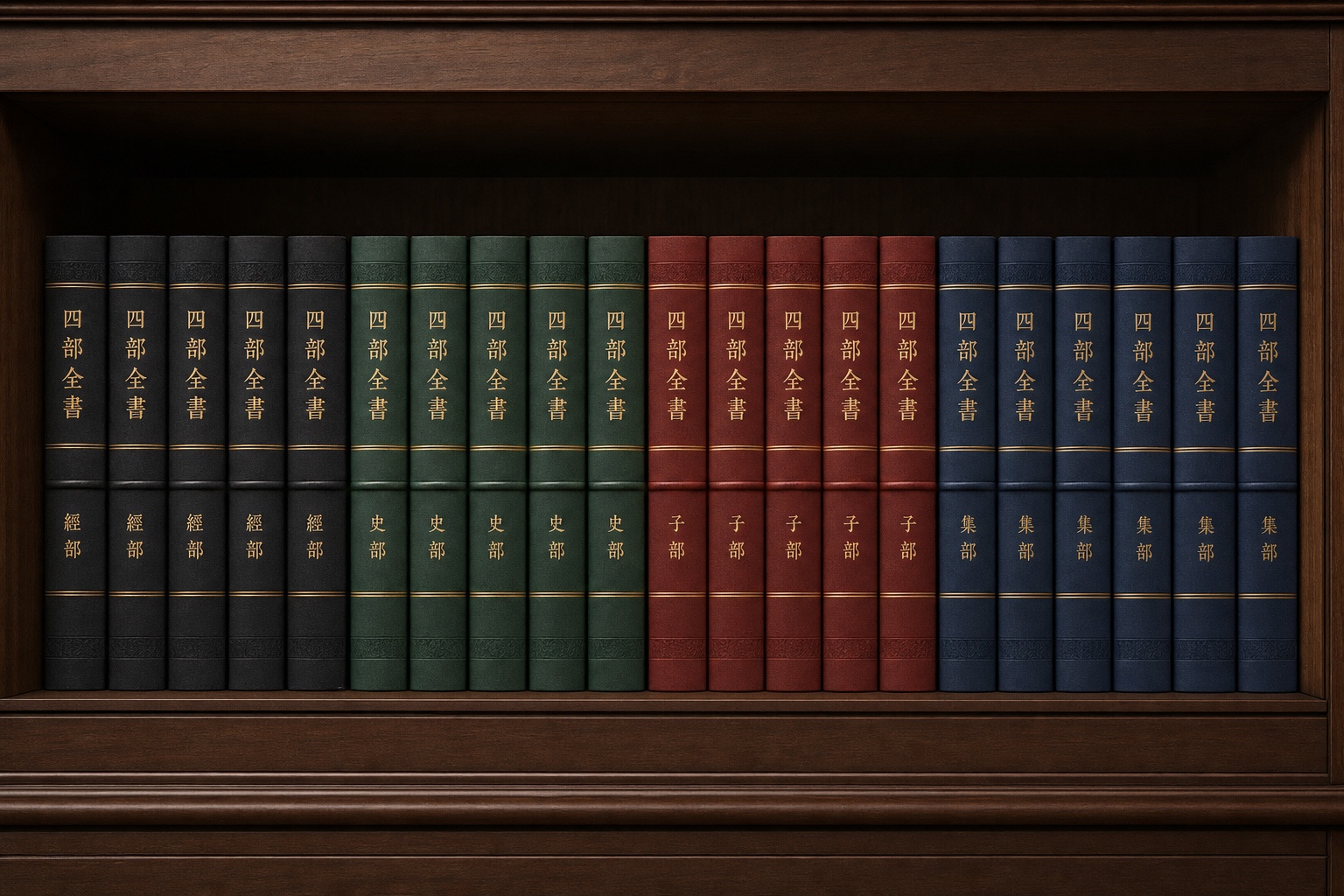
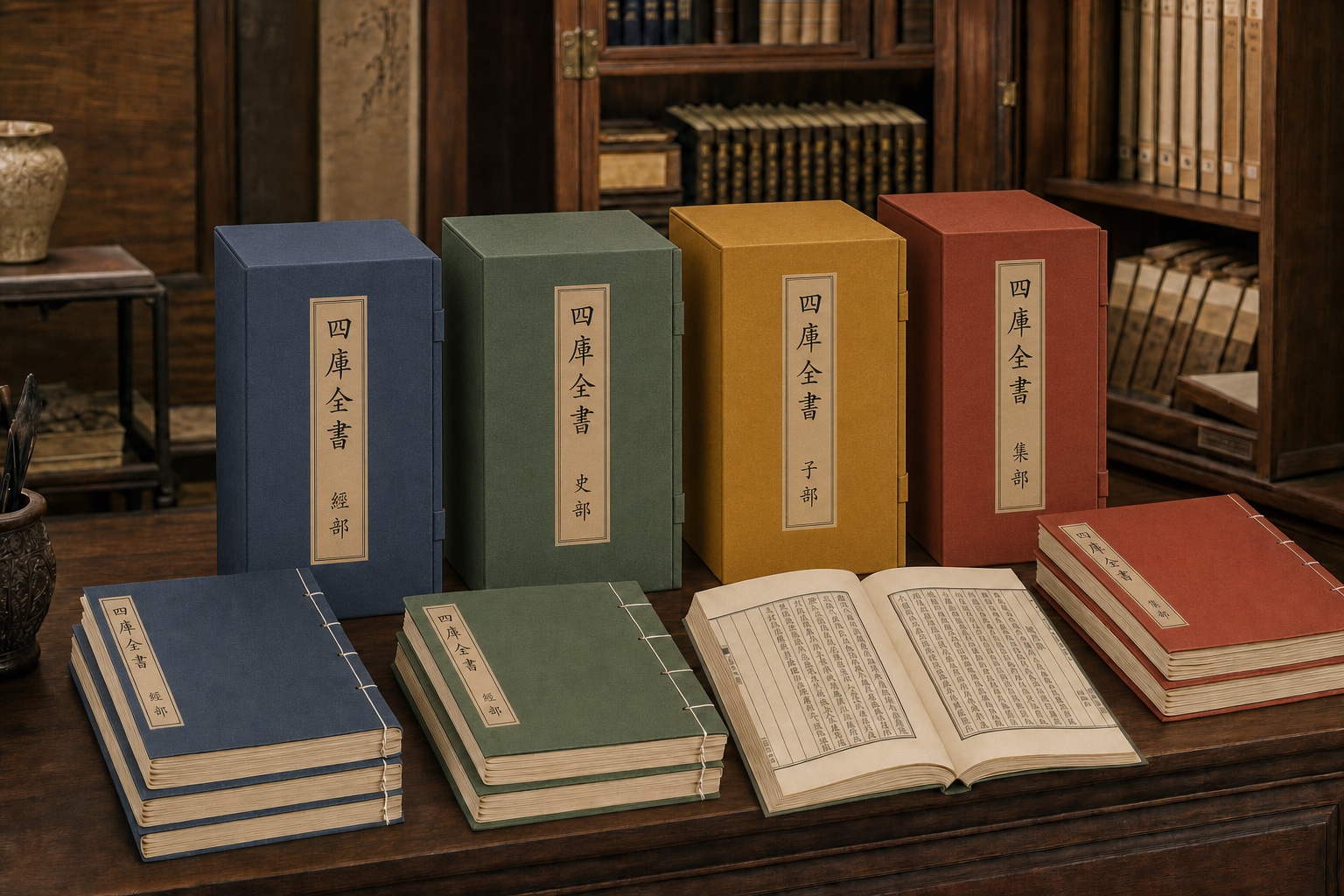
Specification Framework
The following range is a practical starting point and does not represent an automatic commitment. The final structure is determined by the document, number of pages, purpose, quantity and confirmed physical sample.
Submit existing specifications →| Common sizes | The finished product size can be customized, including straight, horizontal, square and large format |
|---|---|
| Cover cardboard | Commonly used 2-4 mm gray board, choose according to size, weight and required stiffness |
| Cover mounting | Printing paper, book cloth, imitation leather materials and confirmed special paper |
| Inner pages | Match uncoated, coated, Dowling and specialty papers according to image, hiding properties and usage requirements |
| Binding | Seated hardcover, glued hardcover or confirmed flat structure |
| Surface process | Foiling, embossing, embossing, local processing, book edge processing and labeling |
| Protection package | Shells, girdle covers, book covers, hardcover display boxes and export packaging |
| Proofing | Select digital samples, material white samples and production samples according to project risks |
Materials and Surface Technology
Each process has a clear reason, and only then can the quality effect be established. We choose a combination that supports the content, rather than filling the entire book with effects.
Review surface, texture, color and foil compatibility before production.
Use foiling, debossing and embossing to create controlled layers and tactility.
Choose the backing paper, paper grain, book slot and locking line according to strength and smooth reading.
Match whiteness, opacity, coating and paper surface to illustrations, text or photography.
Block cloth, ribbon, book edge color and small additional elements are reviewed as a system.
Design around the fit, extraction gap, cardboard strength and packaging of the finished book.
Controlled Production Path
Dimensions, pages, quantity, destination, purpose and target visual standards.
Audit cardboard, paper, binding, workmanship, boxes and packaging as a structure.
Choose color proof, white sample or production sample according to project risk.
Printing, surface processing, book case production and binding are carried out according to the confirmed reference.
Complete final inspection, packaging and shipping information according to destination.
FAQs about hardcover book printing
Please provide finished product size, number of pages, interior page and cover color, paper preference, binding, surface finish, quantity, file status and delivery destination. When specifications are not complete, it is helpful to refer to pictures or physical samples.
In order to improve durability and reading performance, thread locking is usually given priority for versions with a large number of pages or that require long-term use. The final choice depends on format, paper, number of pages, purpose and budget.
We can review physical samples, measurement specifications or detailed reference pictures; the final match still depends on available materials, production tolerances and confirmation samples.
Special sizes, heavy books, special flips, book covers, boxes, engineering details, or projects that focus on fit and feel, it is strongly recommended to make white samples.
A vector file should be provided for each process layer, indicating the foil color, embossing or embossing area, registration requirements and the minimum line size to be reviewed.
Yes. Treated as the same item, the fit, material, color, protection and packaging can be reviewed together before confirming production samples.
Start with the real version
Please submit existing specifications, quantity, destination, file status and reference pictures. We identify pending production decisions before quoting.
Start hardcover book project