Core Business
Mainly engaged in professional book and periodical printing, supporting hardcover boxes, color boxes, mailing boxes, book covers and publishing package packaging.

Connects prepress, printing, binding, quality inspection and packaging
Equipment is only part of the production capacity. Truly reliable delivery comes from using the same set of confirmation standards at every stage for documents, materials, colors, binding structure, surface craftsmanship, inspection and packaging.
Gold Printing GroupBased on Shenzhen, China, it has been deeply engaged in book printing and paper packaging for more than 30 years. Relying on multiple professional production lines, it serves publishing organizations, cultural institutions, brands and professional purchasing teams across five continents.
We use precise color management to allow printing to simultaneously serve content reading, brand expression and the first impression of the product when it reaches the user. Each project starts from the purpose, audience, specifications and delivery conditions, allowing creativity and production to advance with clear judgment.
From file inspection, proofing, material selection to printing, binding, quality inspection and delivery, the team collaborates with you throughout the process; and confirms size, color, structure and process at key nodes, so that progress, quality and cost can be followed.
Books and periodicals attach great importance to reading, and packaging takes into account both protection and display; we use rigorous quality and detail spirit to accurately convey knowledge, culture and brand value.
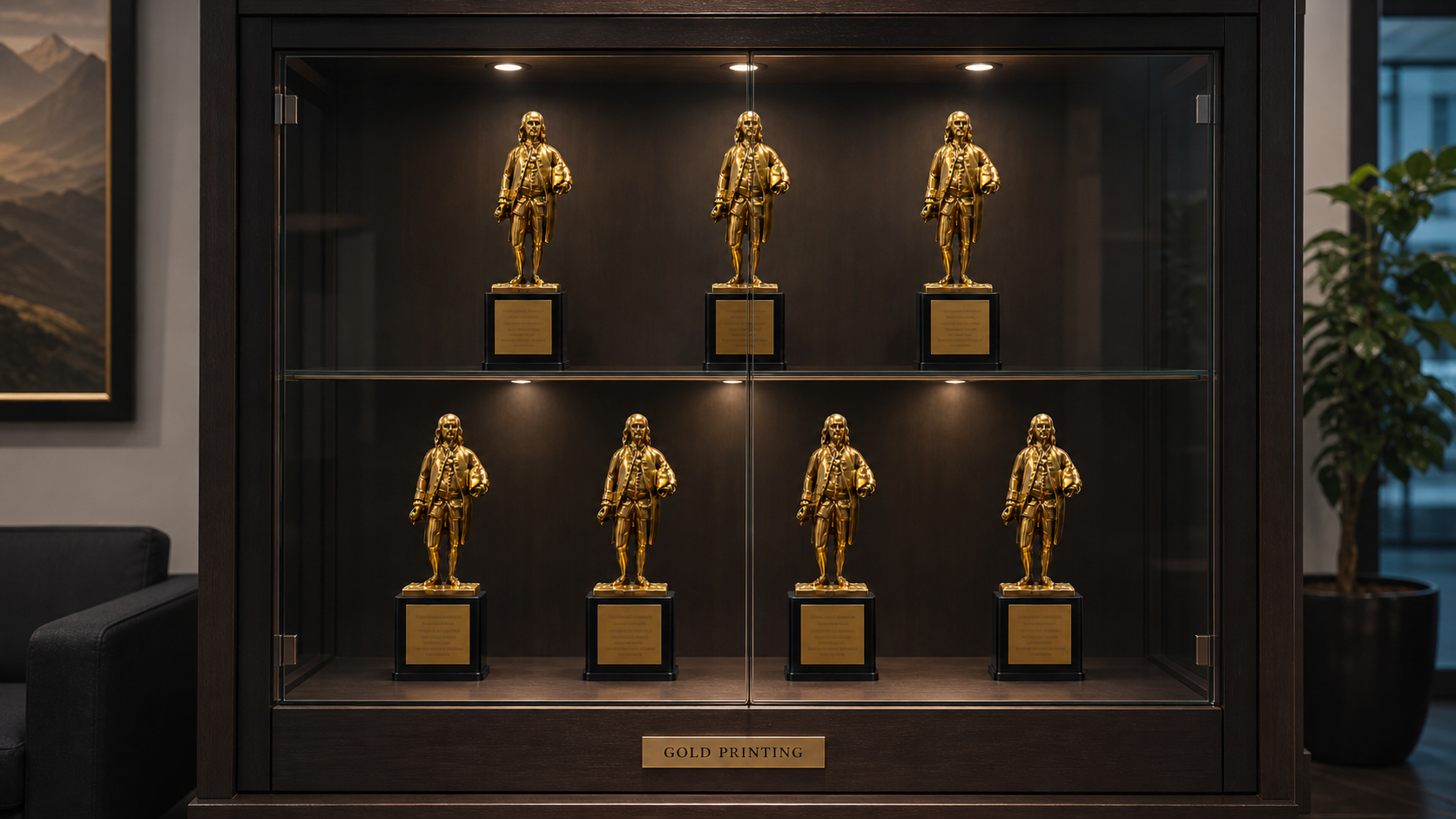
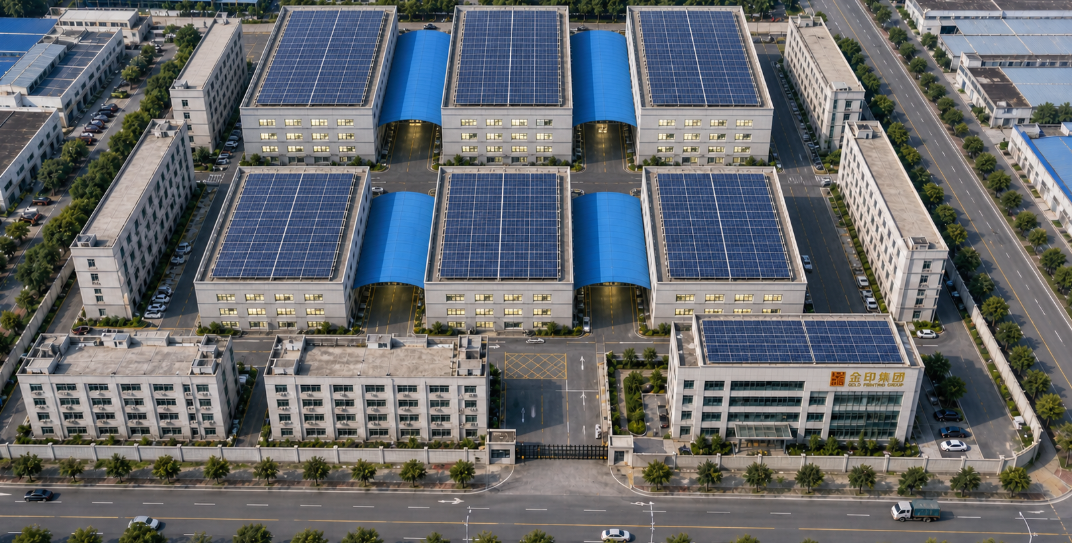
Mainly engaged in professional book and periodical printing, supporting hardcover boxes, color boxes, mailing boxes, book covers and publishing package packaging.
Aimed at publishers, authors, schools, cultural institutions, museums, brands and professional purchasing teams.
Unified management of pre-press, proofing, materials, printing, binding, inspection, packaging and international delivery nodes.
Equipment, production capacity, certification and testing data are provided after verification based on the actual production entity, project scope and validity period.
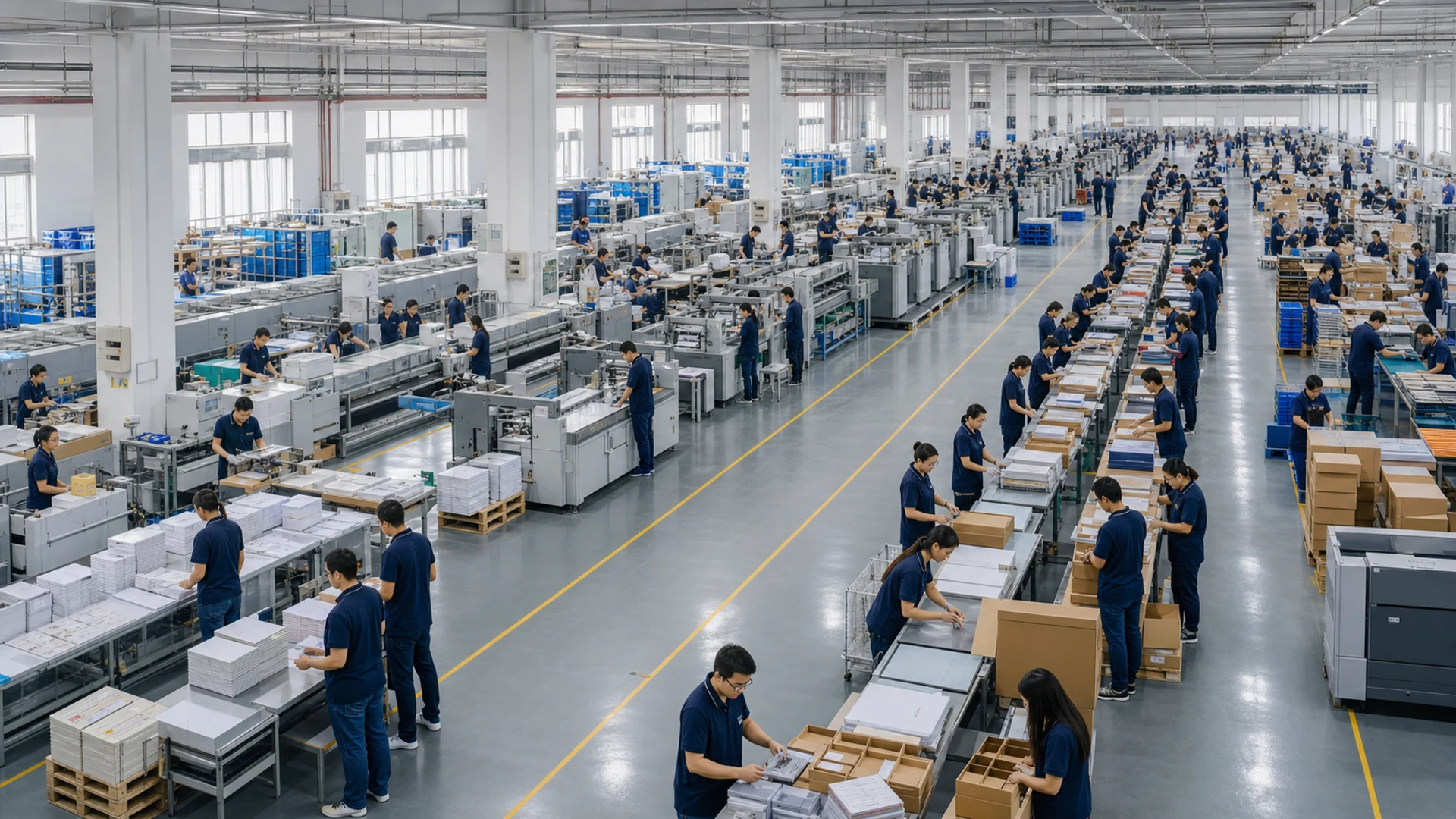
From pre-press, printing, binding to quality inspection and packaging, multiple production lines operate according to process zones; on-site personnel uniformly wear dark blue work clothes to maintain clear responsibilities and quality nodes.
From color printing presses and plate registration to different formats and mass production, printing equipment and on-site nodes are arranged according to projects.
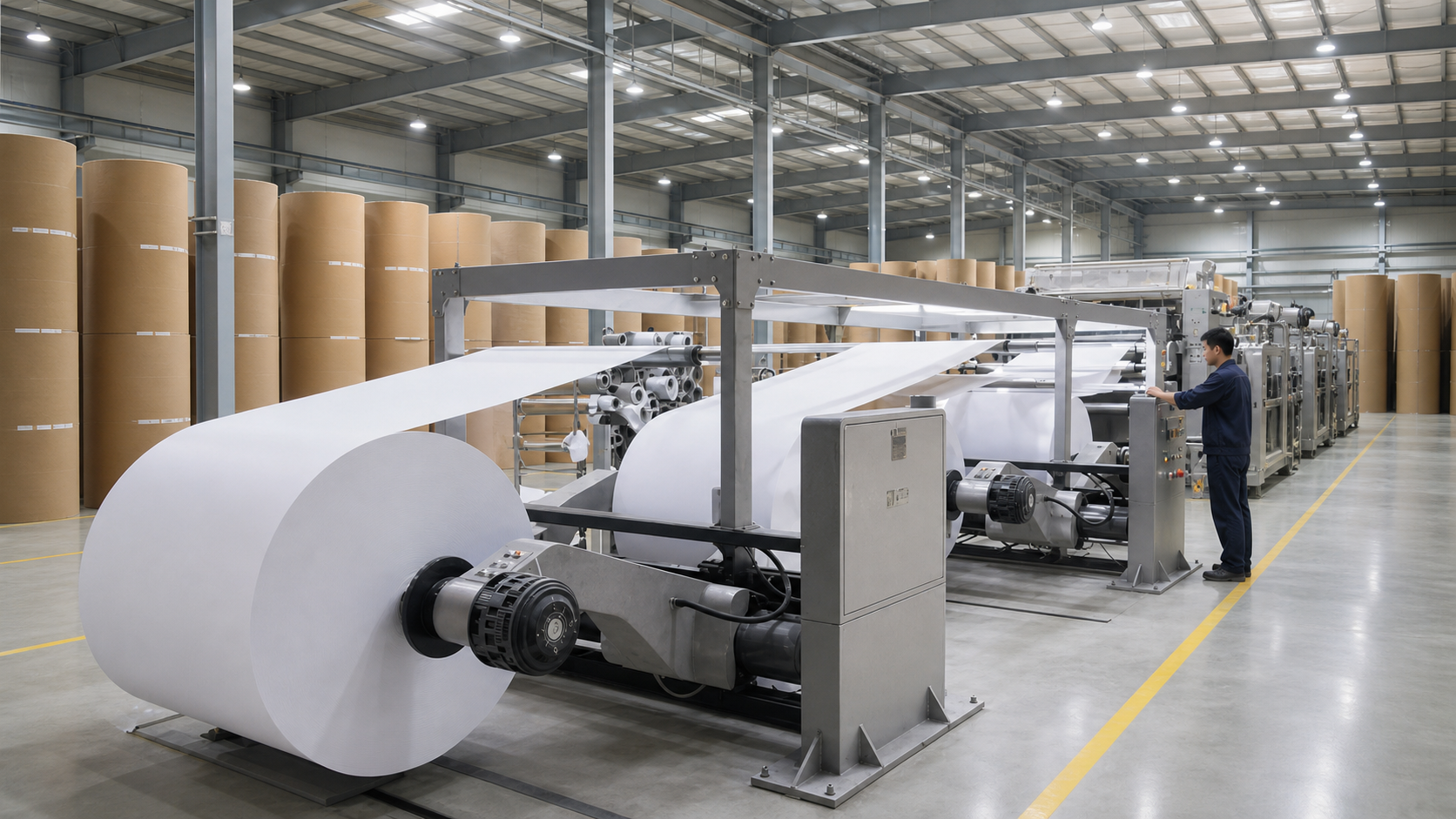
Roll paper is cut, rewinded and batch sorted according to project size.
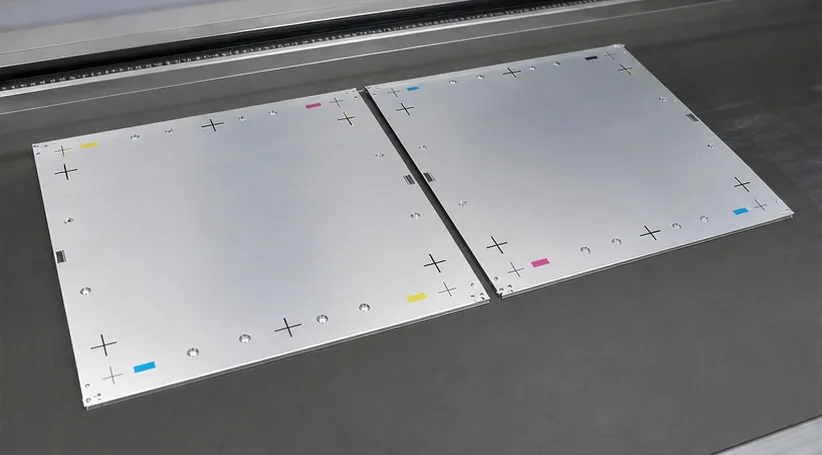
Check the printing plate, color sequence and registration marks before proceeding to formal printing.
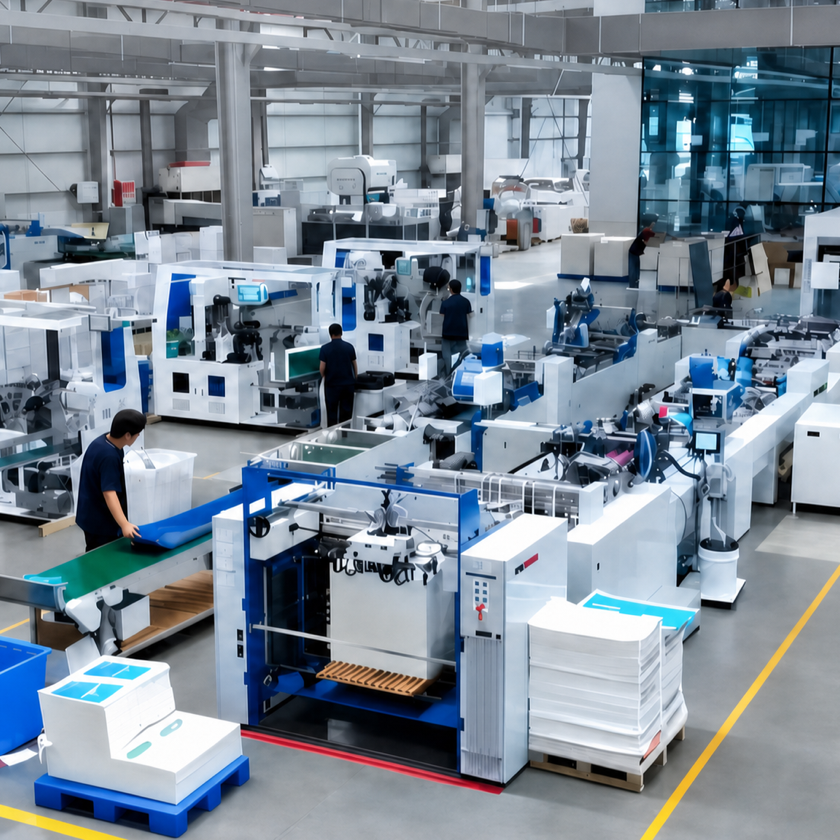
Arrange folding, collating, binding and batch finishing according to process and delivery time.
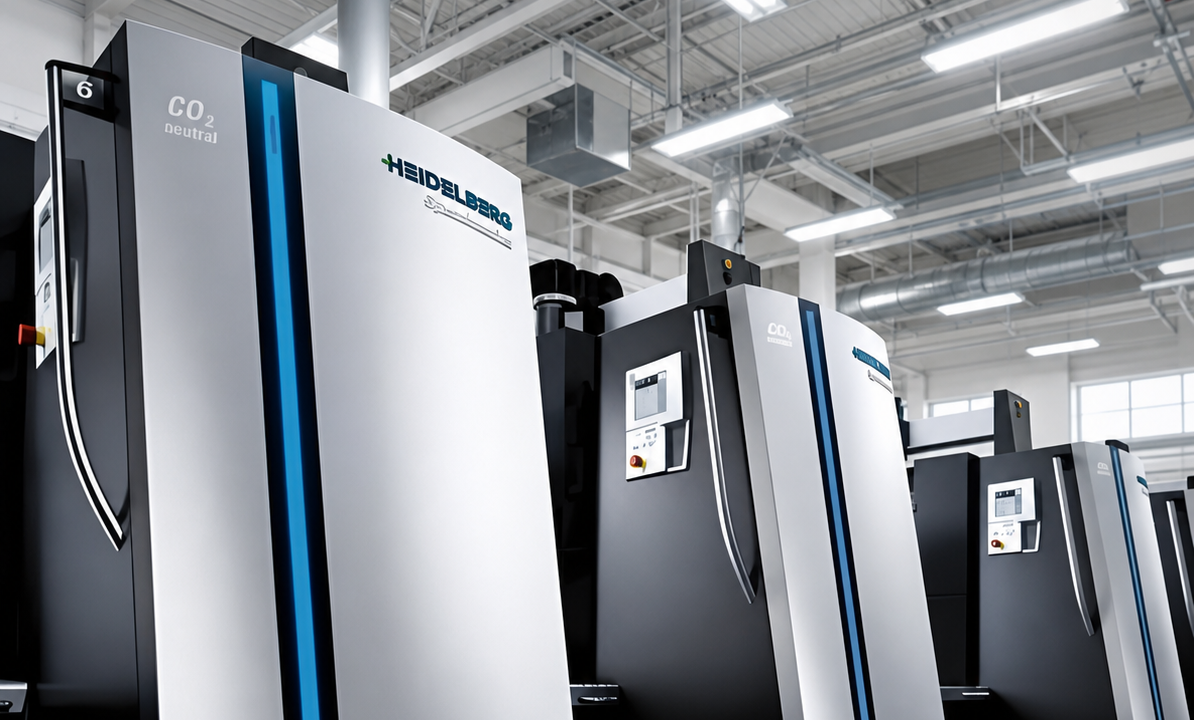
Arrange printing equipment, production nodes and on-site management according to project, paper and color requirements.
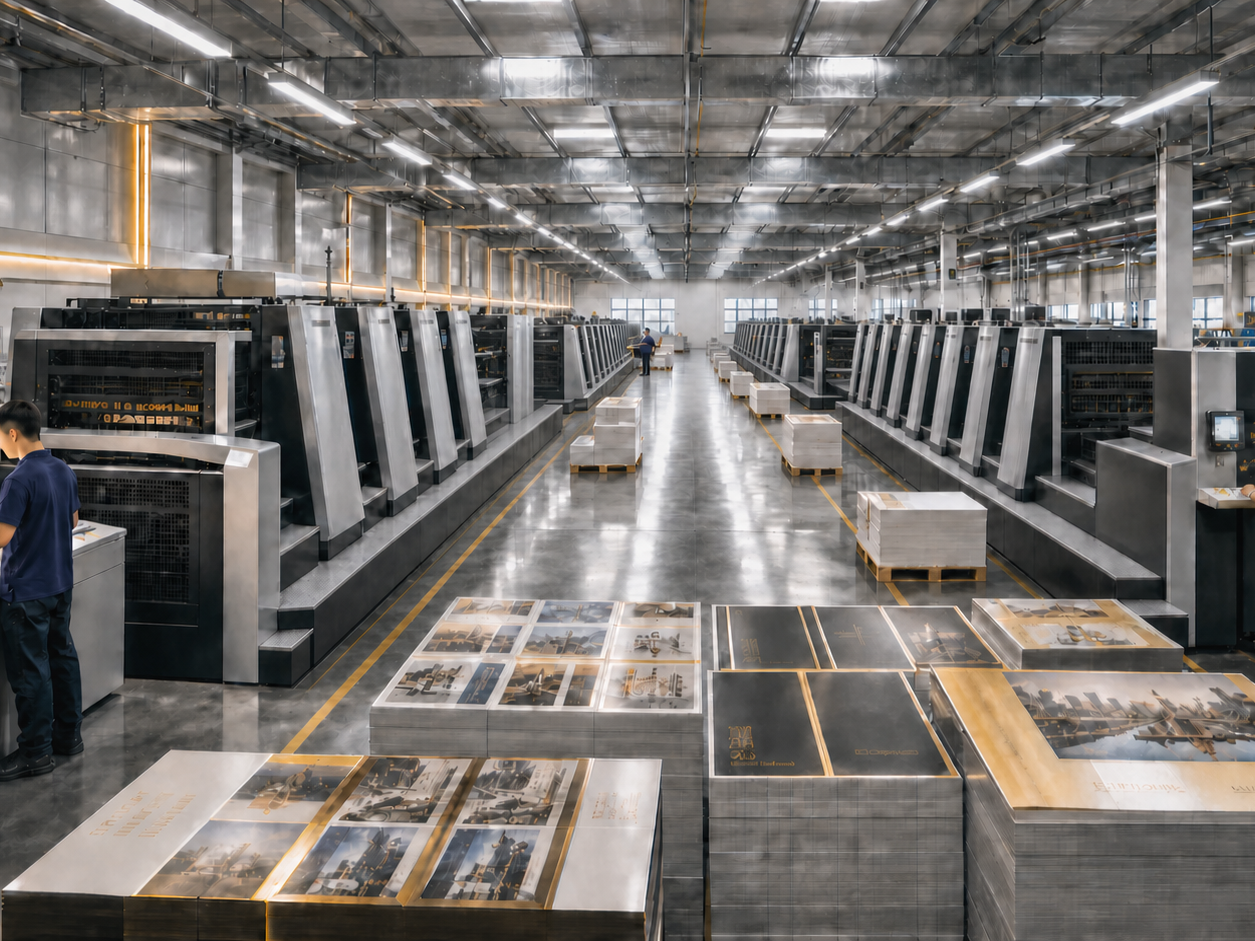
Arrange production nodes and on-site management according to projects, machines and delivery dates.
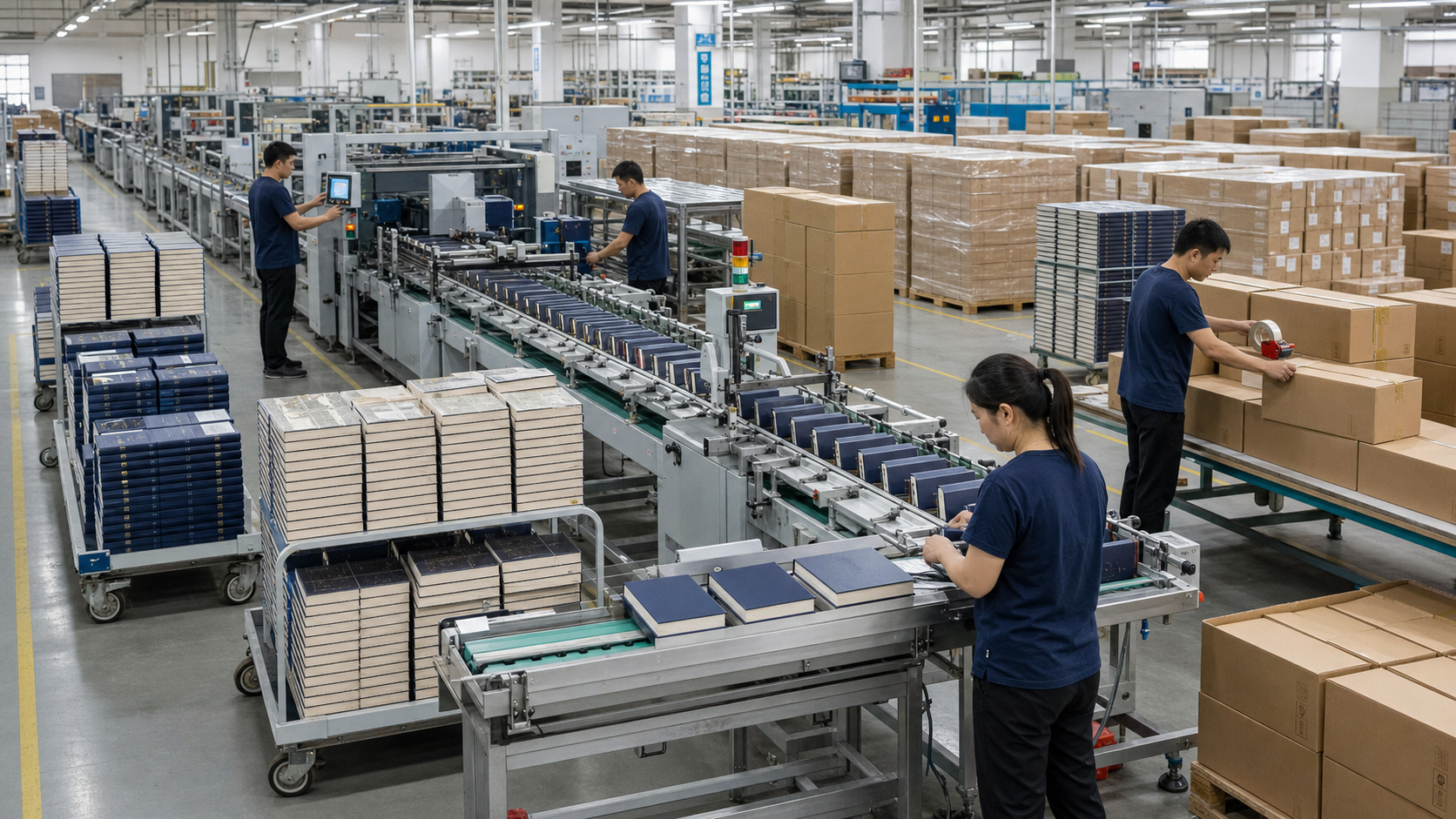
The finished products are sorted, packed, palletized and transferred in batches along the assembly line.
Use the cooperative production system equipment data to organize pre-press, offset printing and binding post-processing capabilities. The public page does not display the supplier's name and internal factory address; the actual machine status, schedule and available production capacity are verified again by project.
File processing, proofing, CTP plate making and plate preparation.
| Device | Brand/Model | quantity | Capabilities |
|---|---|---|---|
| Apple Workstation | G4/G5 | 2 | Publishing Documents and Image Processing |
| PC workstation | DELL 755/GIGA | 6 | Document inspection and production data processing |
| Digital Proofing Machine | EPSON 9800 | 1 | Large format color proofing |
| Digital Proofing Machine | EPSON 9400 | 1 | Large format color proofing |
| CTP plate making machine | ALPHA 900 | 2 | About 300 pictures/class |
| CTP plate processor | CTP-PS-900-I | 2 | About 300 pictures/class |
| Traditional printing machine | Tianma printing machine | 2 | About 200 pictures/class |
covers double-sided eight-color, six-color, four-color and two-color production configurations.
| Brand/Model | quantity | Color configuration | Plate size | Paper range | Reference production capacity |
|---|---|---|---|---|---|
| Heidelberg SM102-6-P | 1 | Folio 6+1 colors | 1030×790 mm | 80–300 gsm | 100,000 prints |
| RMGT 1050AS-4 | 1 | Four opposite colors | 1030×800 mm | 45–450 gsm | 400,000 prints |
| Heidelberg SM102-8-P | 2 | Double sided 4+4 colors | 1030×790 mm | 80–157 gsm | 300,000 prints |
| Heidelberg S40-8-P | 1 | Double sided 4+4 colors | 1030×770 mm | 80–300 gsm | 300,000 prints |
| Heidelberg SM102-2-P | 2 | Double-sided 1+1 color | 1030×770 mm | 60–300 gsm | 100,000 prints |
| Komori L440-SN2647 | 1 | Four opposite colors | 1030×800 mm | 60–300 gsm | 200,000 prints |
| Heidelberg CD102 | 1 | Four opposite colors | 1030×790 mm | 80–157 gsm | 200,000 prints |
From folding, collating, stitching to hardcover, perfect binding, saddle stitching, cutting and packaging.
| process | Representative equipment | quantity | Ability/Use |
|---|---|---|---|
| folding | City CP, SMTEL 78 type folding machine | 9 | 100,000–300,000 posts/day |
| collated pages | Fujian Yuetian 24, Martini 18 | 2 | About 250,000 posts/day |
| lock line | Aster 220/180, Beichen 200/170 | 5 | Hardcover and durable book block |
| Riding order | Martini 335/321, manual saddle stitching machine | 3 | About 30,000 books/day |
| Perfect binding | Martini five-head disc, 3016 connection | 2 | 15,000-30,000 books/day |
| hardcover | Martini VBF600/VBF500, shell loading machine, leather shell machine | 4 | About 25,000 books/day |
| Cut | Polar 1370/1150, Guowang 1370 | 7 | Program-controlled cutting and online production |
| Special back-end | YO punching, lining paper, shrink wrapping, slitting | 11 | YO rings, snake books, backing paper and finished product packaging |
Our production system has certification capabilities for quality, environment, occupational health, brand audit, material testing and responsible paper sources, and can meet the corresponding requirements according to product type and target market.
The long-term cooperative production system will verify according to the actual certificate holder, factory and project scope; corresponding information will be provided when the project requires it.
Quality management system information is verified based on the actual certified production entity, scope of application and validity period, and corresponds to the production process, quality records and continuous improvement.
Environmental management system information is verified based on the actual certificate holder and certification scope, corresponding to energy, water, waste and production environment management.
Occupational health and safety management system information is verified based on the actual certificate holder, location and validity period, and corresponds to personnel safety, operational risks and on-site management.
Check the type of factory inspection, audit or related information according to the needs of the buyer or project, and provide it after confirming the applicable factory and disclosure scope.
Material and finished product testing is arranged according to product, material, target market and buyer requirements; the scope of the report must be consistent with this project.
When it is necessary to use FSC certified paper, check the available sources and material documents according to the paper supply, actual production chain and project requirements.
Children's books can be checked for ink, paper, coating, binding, lead, phthalate and other related safety requirements according to the target market. The test items are subject to the order specifications.
Environmental management covers paper sources, CTP plate making, ink selection, energy, recycled water and classified recycling. Material declarations, certifications and testing documents are verified against actual order.

Check the paper type, supply batch and source documents according to the project purpose; when the customer specifies FSC and other requirements, first confirm the actual supply chain, production entity and document application scope.
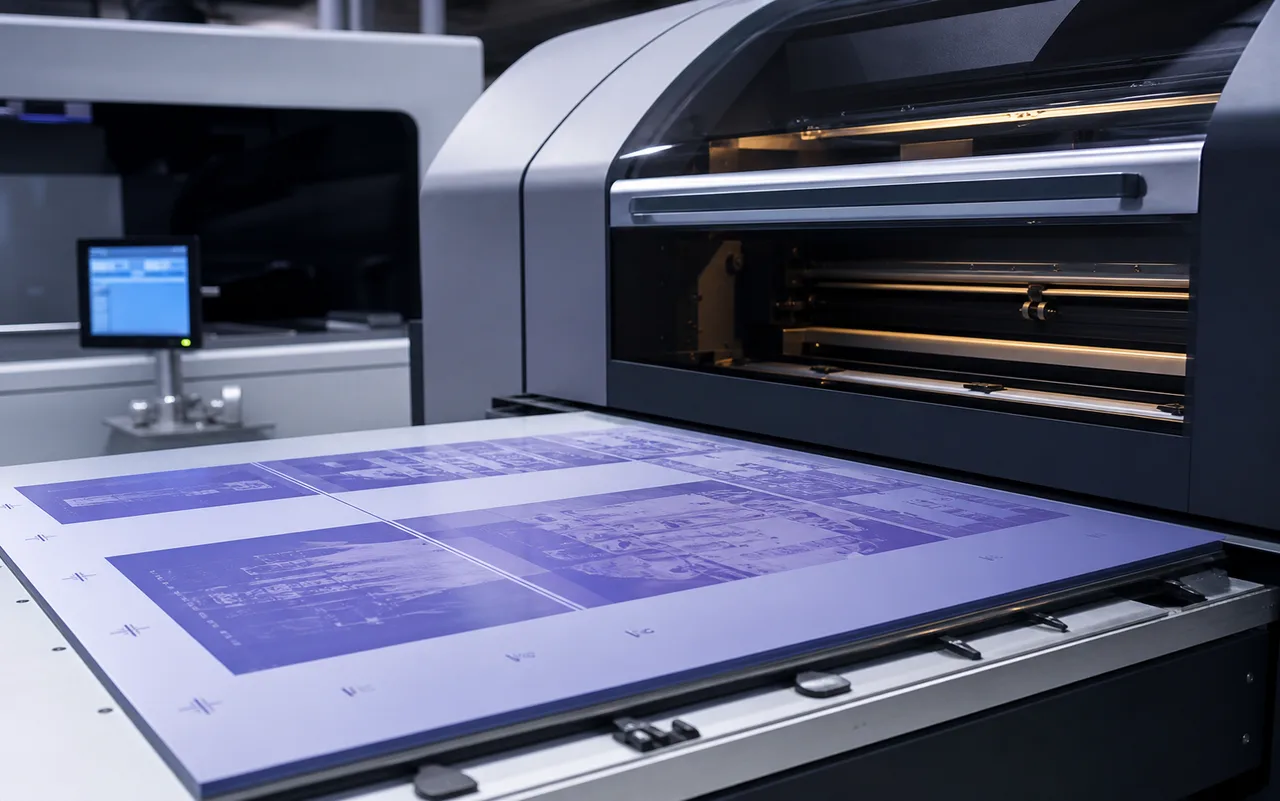
Uses a digital direct plate making process to reduce the traditional film link; the printing plate, imposition and registration data are verified before starting the machine, reducing the waste of reprinting and trial printing.

Check the ink solution based on paper, color, odor, user group and target market; plant-based, low-odor or other designated options must be confirmed based on the order and supply information.
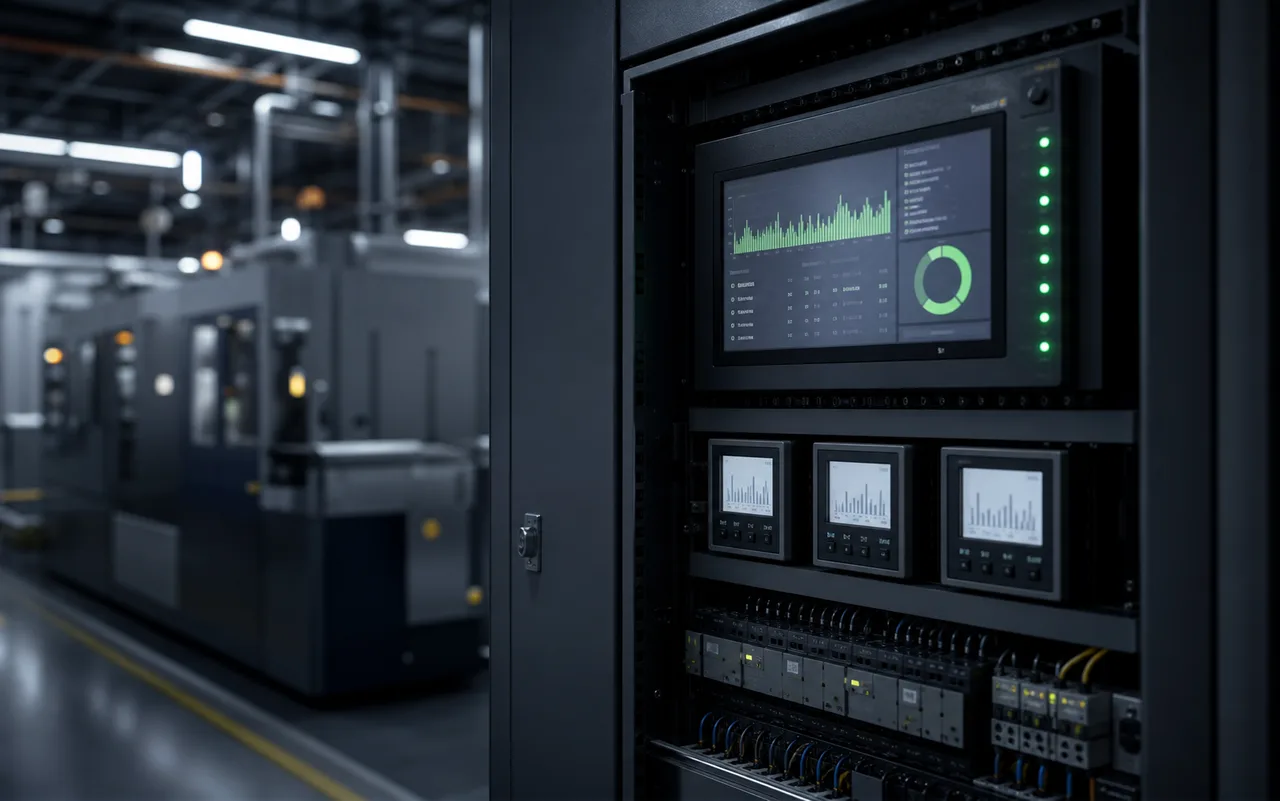
Organize production according to equipment, processes and schedules to reduce idling and repeated startups. Combined with equipment maintenance and exception recording, ineffective energy consumption and rework can be reduced.

Moistening, cleaning and related water are managed according to the process; unnecessary water consumption is reduced through filtration, recycling, liquid preparation and cleaning processes.
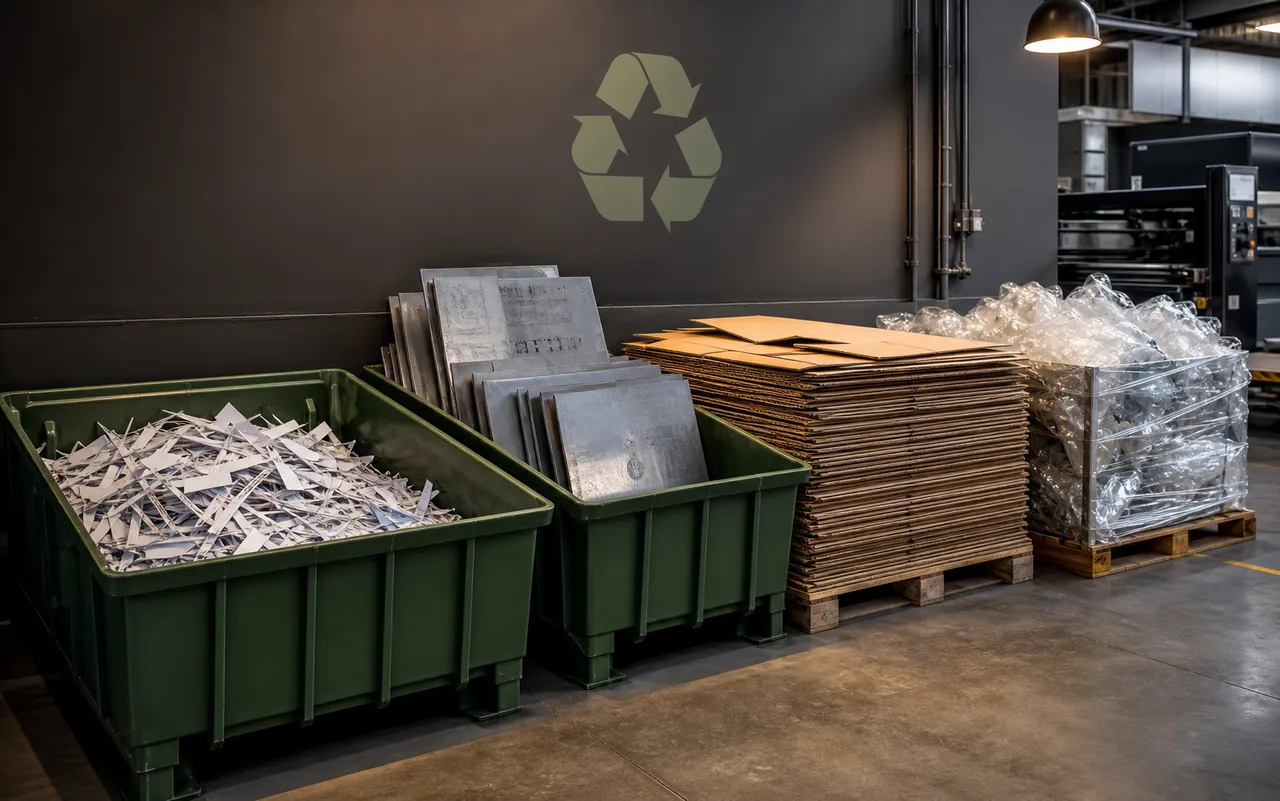
Paper scraps, aluminum plates, cardboard and packaging materials are collected in categories; recyclables are marked, temporarily stored and handed over to corresponding channels for processing according to on-site requirements.
First confirm the material range based on product use, shelf life, contact population, transportation environment and target market, and then discuss visual effects and costs.

Check the weight, thickness, stiffness, shielding, folding resistance, ink absorption, surface strength and processing compatibility.
Suitable materials for children’s books, art publishing, long-term collections, retail packaging and international shipping.
The paper source, ink, coating and related statements are verified according to the actual material batch, destination market and project requirements.
Materials are sampled by batch after arriving at the factory. Quality personnel use corresponding measuring tools and testing equipment to check key data. Abnormal materials do not enter production directly.
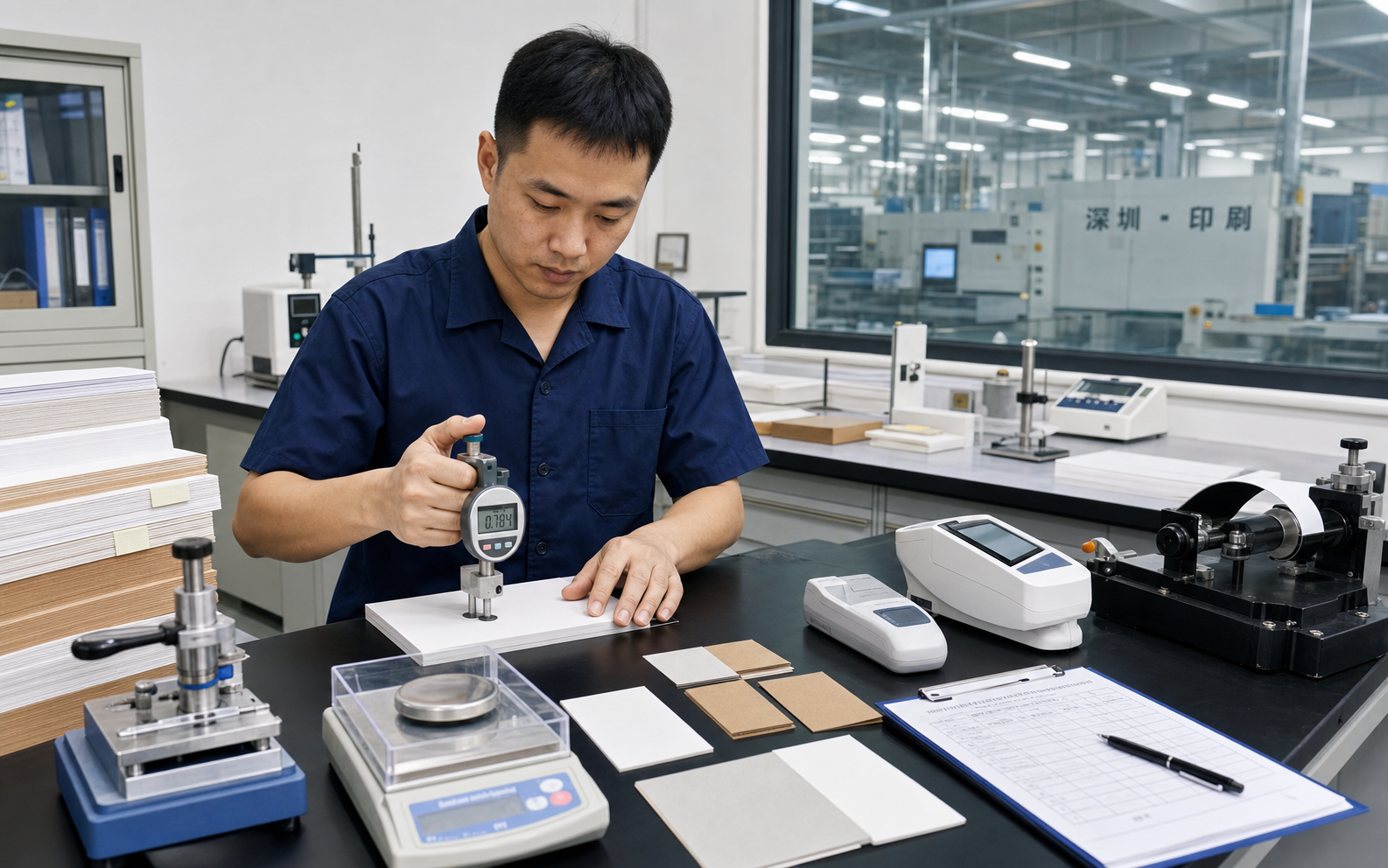
Record the supply batch, material name, specifications and factory arrival status, and draw representative samples according to inspection requirements.
Detects thickness, weight, moisture content, stiffness, folding resistance and other properties that affect production according to material type.
Test results correspond to material batches, projects and disposal conclusions. When third-party testing is required, the applicable standards and reporting scope will be confirmed separately.